Trip Report: 2025 Southwest Spring Summary
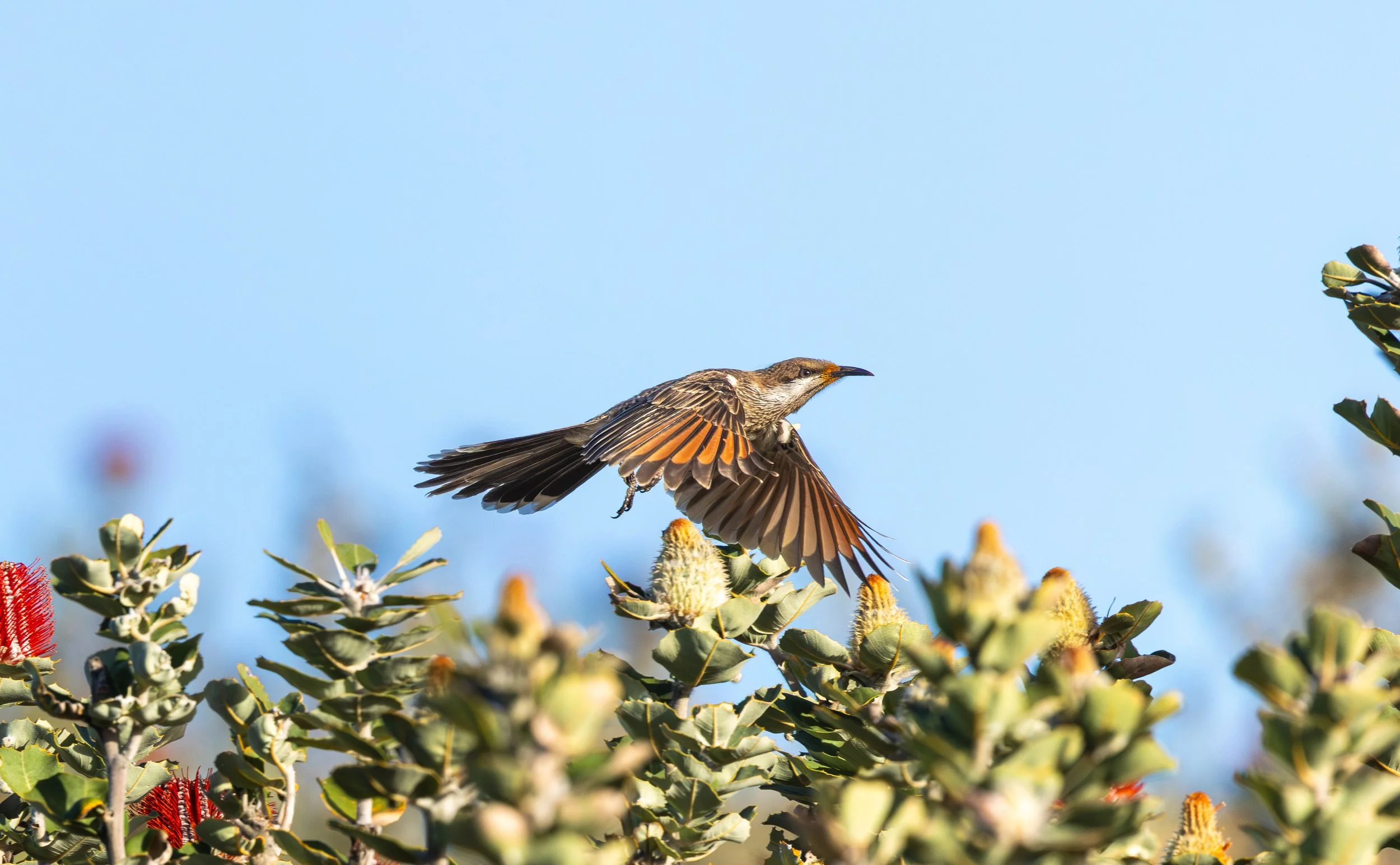
Arpenteur Nature Reserve - Western Wattlebird
Targets: Southwest Endemics & Western Australian Specialties
Dates: Spring 2025
Guides: Louis Masarei & Dan Mantle
Guest: From painters to photographers, the hardcore listers and the bird-behaviour appreciators.
This will be a bit of an odd trip report. It’s more of a summary of the wonderful string of trips that we ran through Western Australia’s beautiful Southwest corner during spring of 2025. This spring had it all. From private trips targeting the specific and difficult in remote habitats, to group departures seeing as much as we can and day trips in Perth, Margaret River and Albany. It also had all the birds! Things were vibrant this season with a fair bit of water around and some interesting winds helping for easy views of pelagic birds from the coast. To say it was a successful run of tours would be an understatement - there was not a single trip we missed a Southwest endemic on. Here’s looking forward to what summer holds!

There was not a single trip we missed a Southwest endemic on.
Waychinicup Inlet
Below will give a general outline of how the standard multi-day trips in the Southwest run but there are also many day trips out of Perth and Margaret River that were run this spring as well as private and custom itineraries around the Southwest and beyond.
Some examples of eBird trip reports can be found here, here and here. Or you can browse through them all if you scroll down a bit here and look for the ones with Birding Southwest in the title.
Day 1: Perth - Dryandra
Day 2: Dryandra - Stirling Ranges
Day 3: Stirling Ranges - Cheynes Beach
Day 4: Cheynes Beach
Day 5: Cheynes Beach (Corackerup Nature Reserve & Bremer Bay)
Day 6: Cheynes Beach - Pemberton
Day 7: Pemberton - Cape Naturaliste
Day 8: Cape Naturaliste - Perth (Fremantle)
Day 9: Rottnest Island
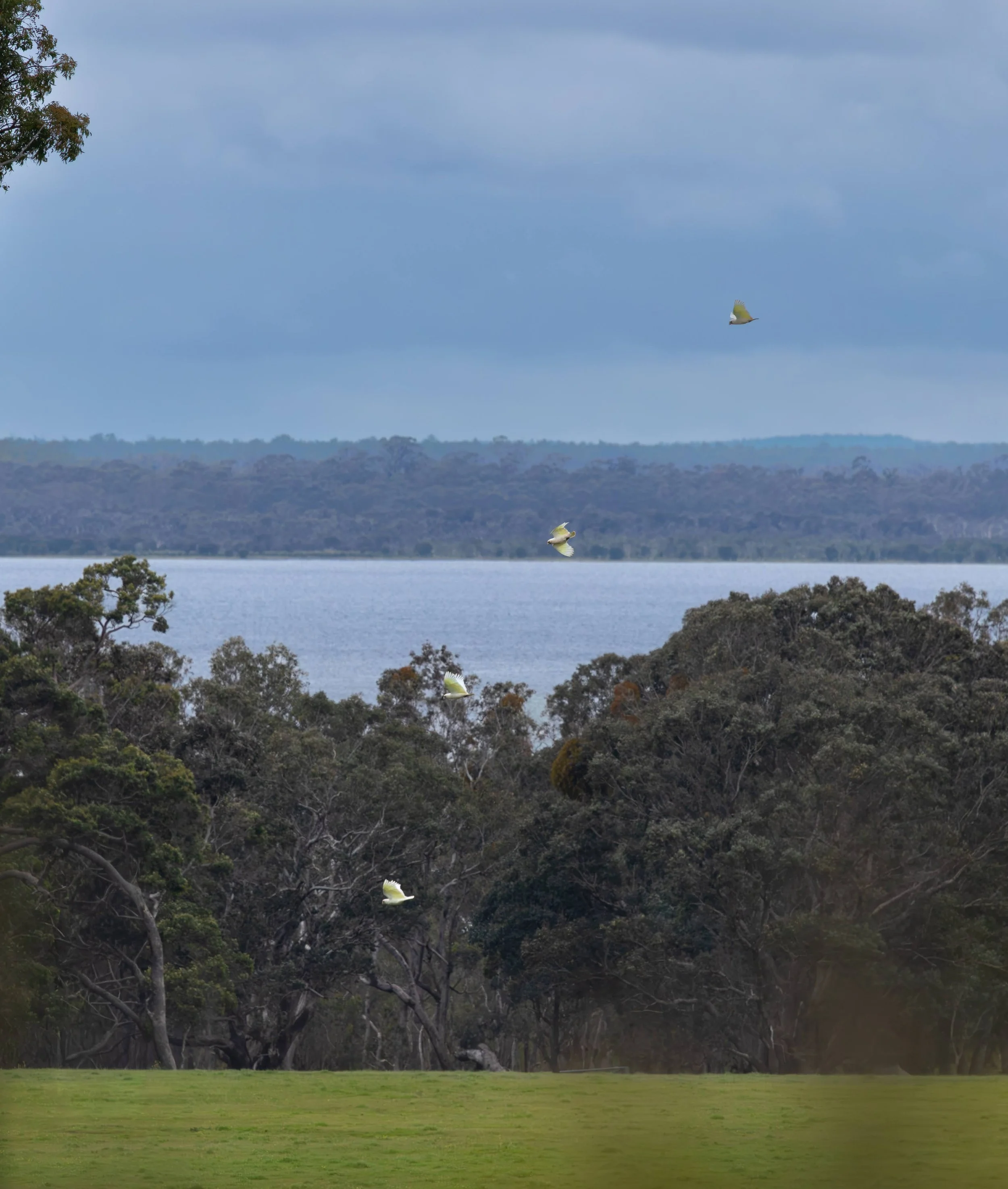
Western Corellas (ssp. Muir’s Corella) flying over Lake Muir
Perth - Dryandra
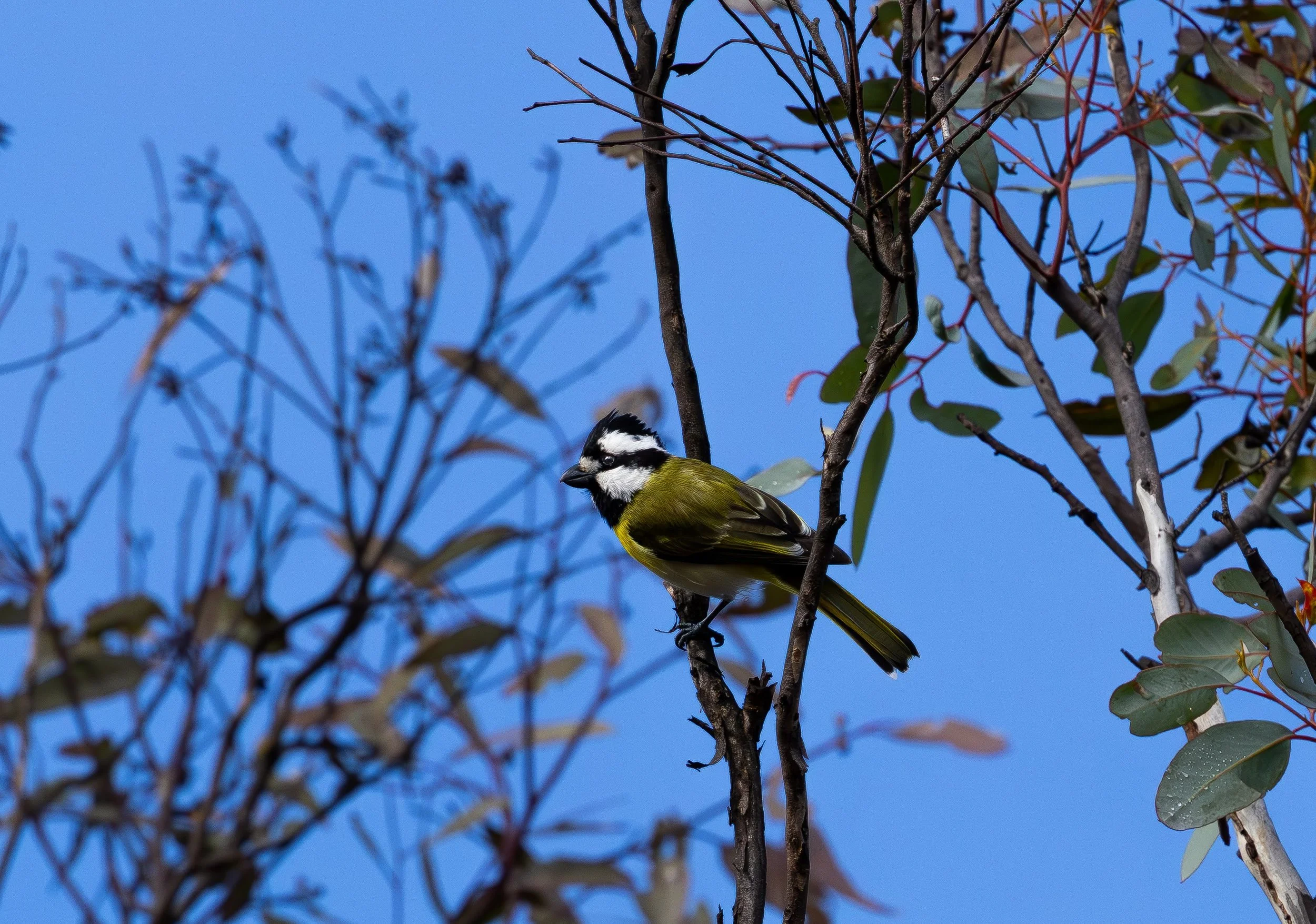
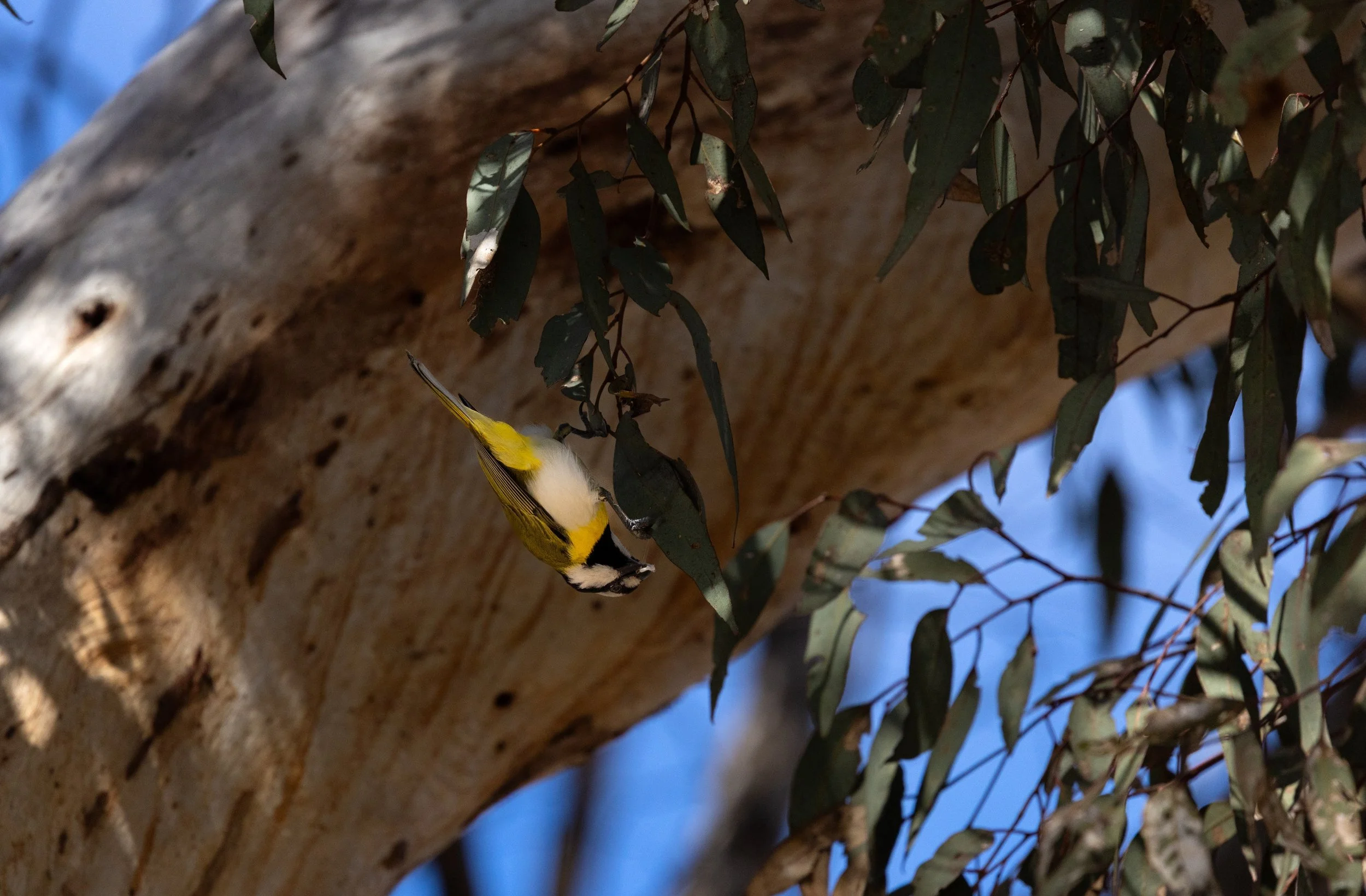
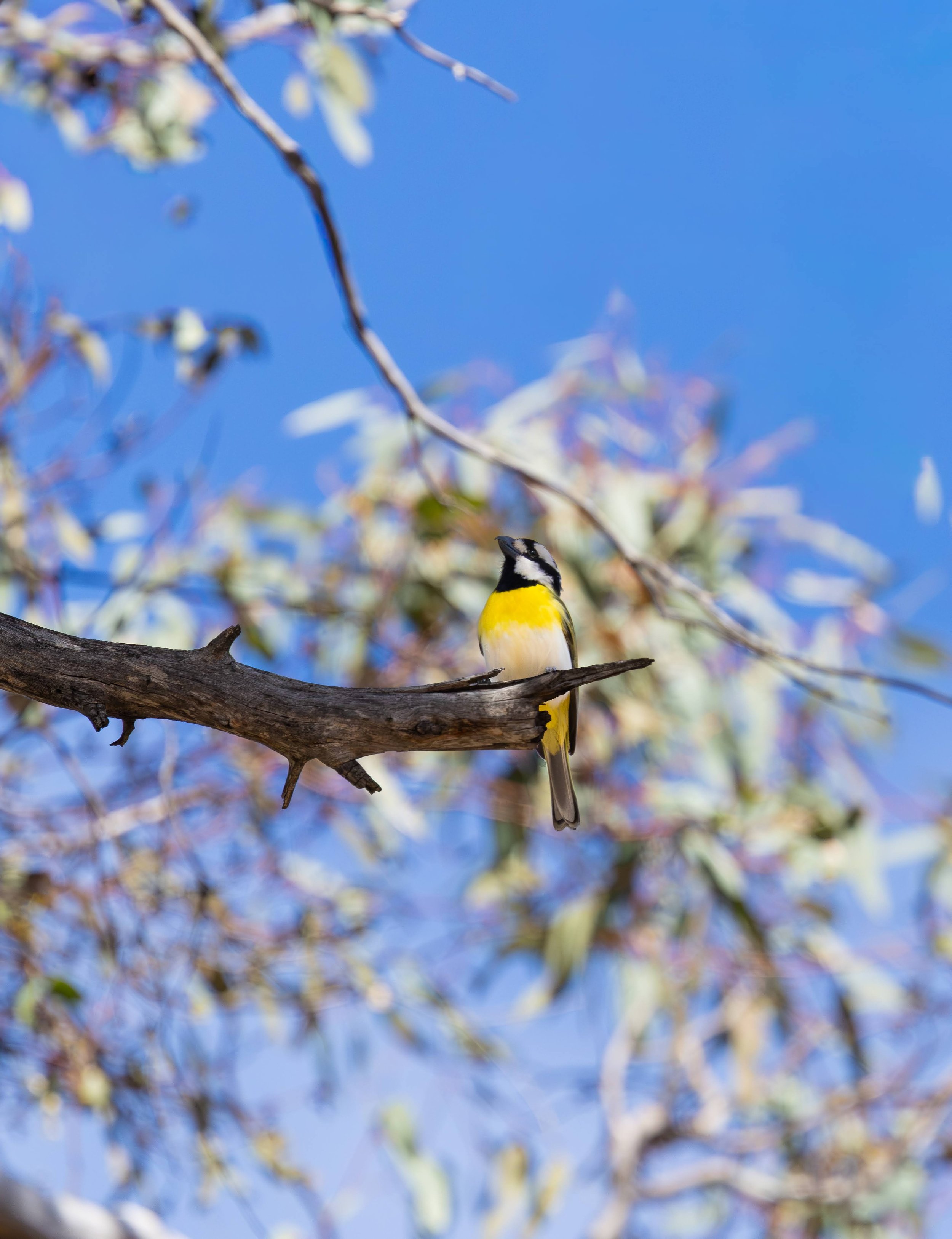
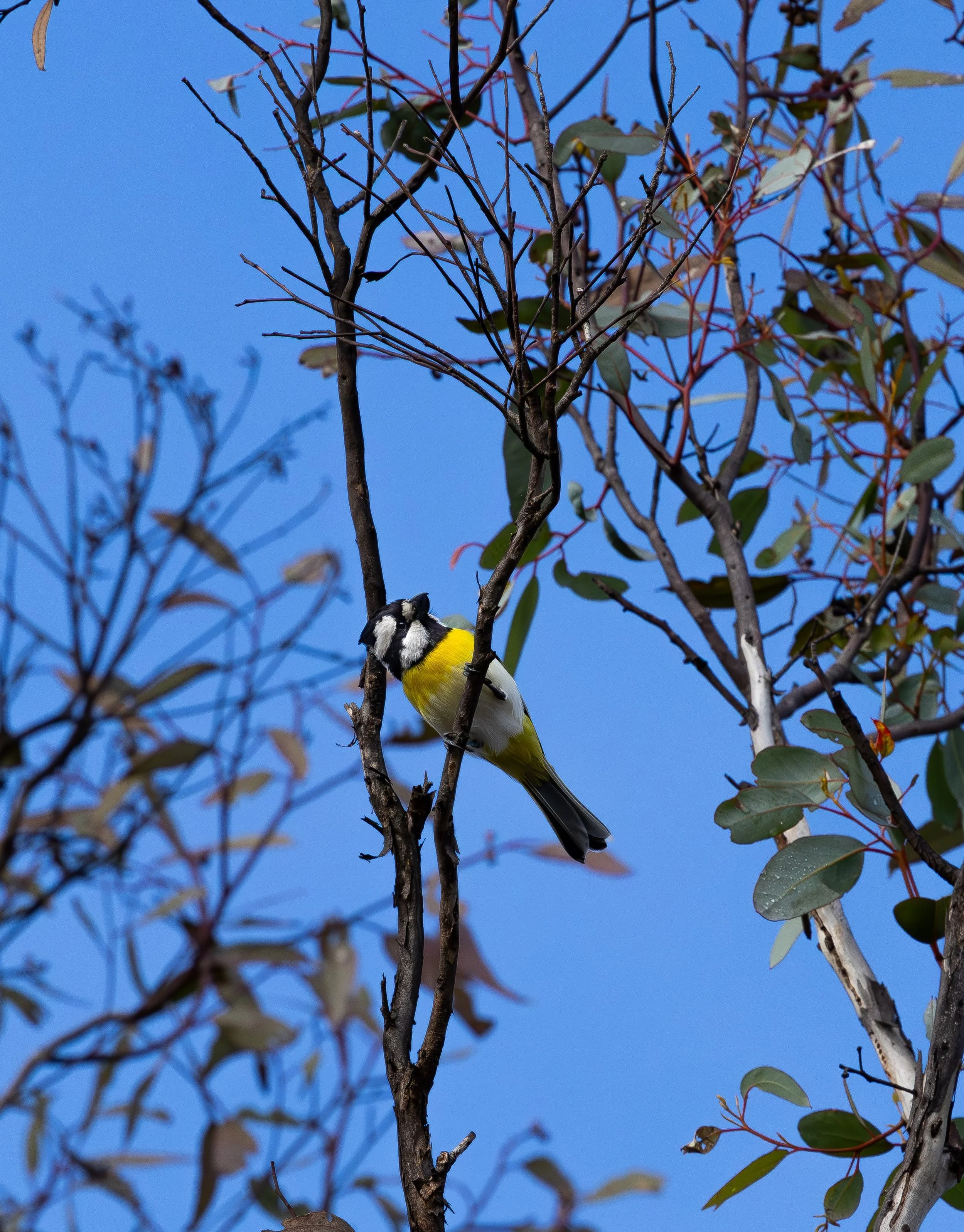
Most trips in the Southwest depart from Perth. Whether that be a day trip in the Perth or Fremantle area or the beginning of a multi-day tour. Some we departed from the airport directly and hit the ground running and some the car was waiting out the front of the accommodation bright and early. Typically, the first part of the morning is spent heading to the hills - the Darling Escarpment. A strong preference for having multiple chances at difficult birds is a key to a good trip and getting endemic birds like Western Shrike-Tit and Red-eared Firetail or local specialties like Elegant Parrot and Rufous Treecreeper straight off the bat make for an excellent start. There are often many chances for Carnaby’s or Baudin’s Black Cockatoo as well as our local subspecies of Red-tailed Black Cockatoo (ssp. naso) on the journey up to the hills or Wandoo woodlands as well. Once in the woodlands, birds begin to start piling up on the list and SD cards start to fill. These are special places to kick off a trip and start to give people a true idea of what birding in Western Australia and the Perth region is like.
On a Perth based day-trip, we will turn back from the hills and Wandoo woodlands towards Perth’s wonderful wetland system where Blue-billed, Musk and Pink-eared Duck are big highlights. This year we have had a Wandering Whistling-Duck well out of its usual range to show off to clients who may not have seen them at home. Some of the local Malurids make a good stop or three on day trips as well - Purple-backed, White-winged, Splendid Fairywrens and Southern Emuwrens.
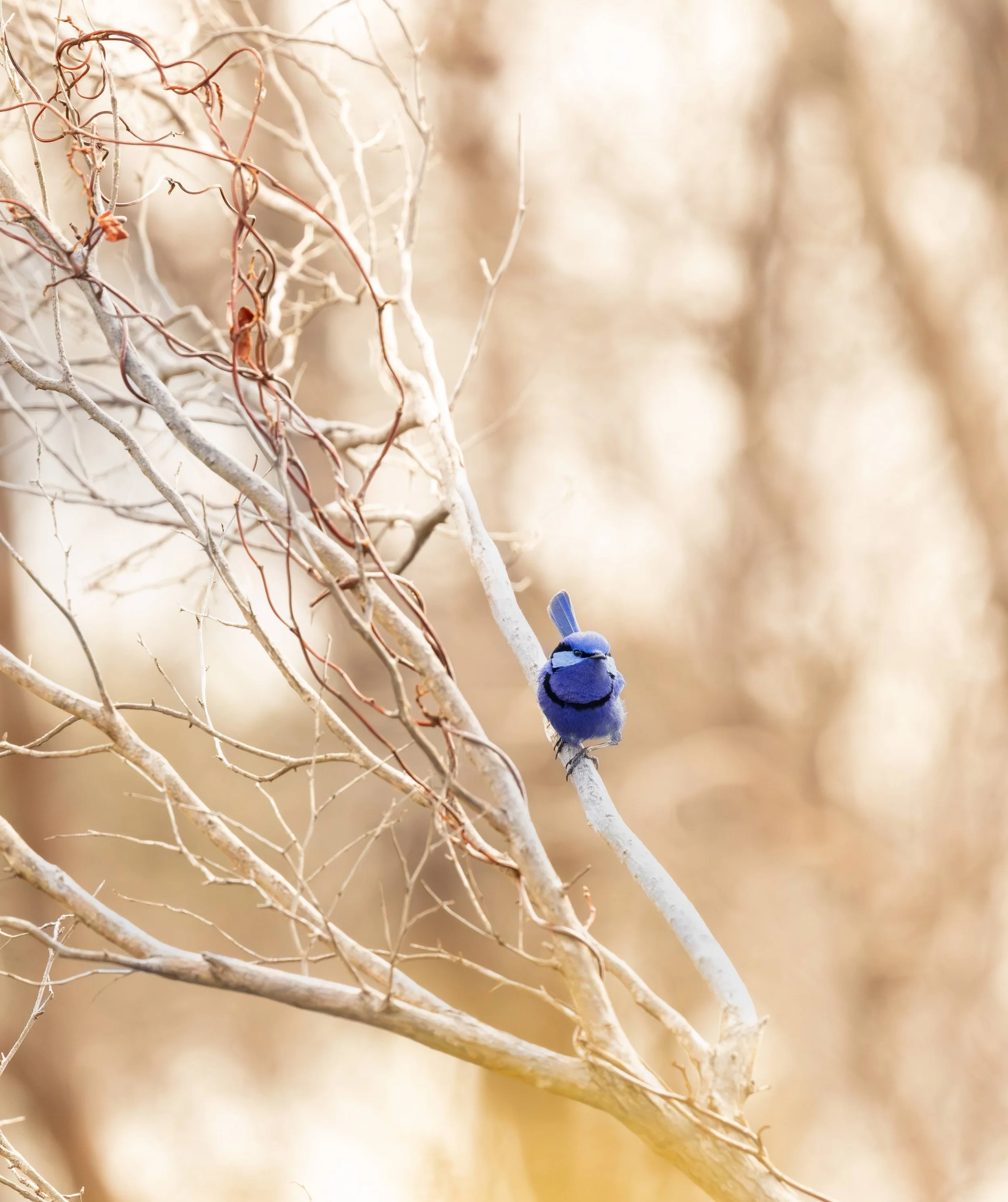
Splendid Fairywren on a Perth Birdwatching Daytrip
On multi-day trips we will head further east into the Wheatbelt looking for the northern subspecies of Western Corella in and around quaint old towns and their wheatbins and cropping fields. Little surprises such as Zebra Finch and Fairy Martin made welcome appearances on tours this year as well as exceptional sessions with White-browed Babblers and Red-capped Robins. From here we head south towards Dryandra. Searching for Numbats, and various Parrots through the evening. This Spring we had Numbats appear for us within an hour of reaching Dryandra and put on true shows for us! A particularly special evening had us surrounded by foraging Red-capped, Regent and Elegant Parrots, Western Rosella, Australian Ringneck, Carnaby’s Black Cockatoo and Purple-crowned Lorikeets all at once. Red-tailed Black Cockatoos called in the distance. Not many places in Australia boast a list of Parrots like that in such a small area.
The evening has us out searching for mammals if we’ve got enough left in the tank. Woylie bouncing around the picnic tables and Chudditch feeding comfortably on a dead Western Grey Kangaroo are two particular nocturnal mammal highlights from this spring. All with a soundscape of Eastern Barn Owl, Southern Boobook, Australian Owlet-Nightjar and Bush Stone-Curlew to send us to sleep.
Dryandra - Stirling Ranges
Opening a morning at Dryandra is an incredible birding experience. It can just be so very diverse and birdy. We did have some slow morning this spring, but it only took the sun to crack through the tree line to fire everything up. Some particular highlights from those early mornings were getting out of the car to the whistle of Western Shrike-tit above our heads and watching them forage down to eye level as a little family. Watching the Tree Martins, Sacred Kingfishers and Purple-crowned Lorikeets jet in and out of their hollows breeding and eventually feeding their young was a true privilege over the length of the spring tours. A particular moment with a family of Restless Flycatchers stands out with two very young birds begging incessantly to their doting parents from a low perch. As we watched from a respectful distance, they eventually became completely silent and without warning a Peregrine Falcon zoomed over the top of us and straight past the young birds. None of them were harmed or perhaps even noticed and soon enough they went back to noisily nagging their parents.
As the day goes on throughout Dryandra and the species list for the morning grows up towards 60, we often end up having a picnic lunch in the park. We discuss our Numbat and Mardo sightings, how beautiful and yet underrated White-eared Honeyeaters are and on one special occasion this year we had a pair of Painted Buttonquail happily wander out of the low shrubs directly towards us and our cameras.
Then we make our way down to the Stirling Ranges. Our drive was notably broken up at one point this year with a huge flock of Carnaby’s Black Cockatoos feeding on some roadside pinecones making for exceptional viewing and photography opportunities. As you see the ranges rise in the distance, especially later on in spring, these same flocks move to forage in the canola fields providing similar experiences. Emus are a big one on this drive too. At one point while watching a flock of Carnaby’s forage, a pair of these massive birds really put their size into perspective as they moved through the field amongst the usually notably large Cockatoos.
Settling in at the Stirling Range Retreat is always a treat. Checking all the nest boxes and seeing what orchids are flowering. One afternoon walk had us finding the young of Banded Lapwing in the field next to our huts then to add to that, recently fledged Willie Wagtail, Red Wattlebird, Carnaby’s Black Cockatoo, Brown-headed Honeyeater, Yellow-plumed Honeyeater and Dusky Woodswallow. It was certainly the right time of year! That evening as the Stubble Quail and Brown Songlark settled their calls down, a young Barn Owl made its presence well and truly known and we located it calling from a big old Wandoo hollow not far from our front doors.
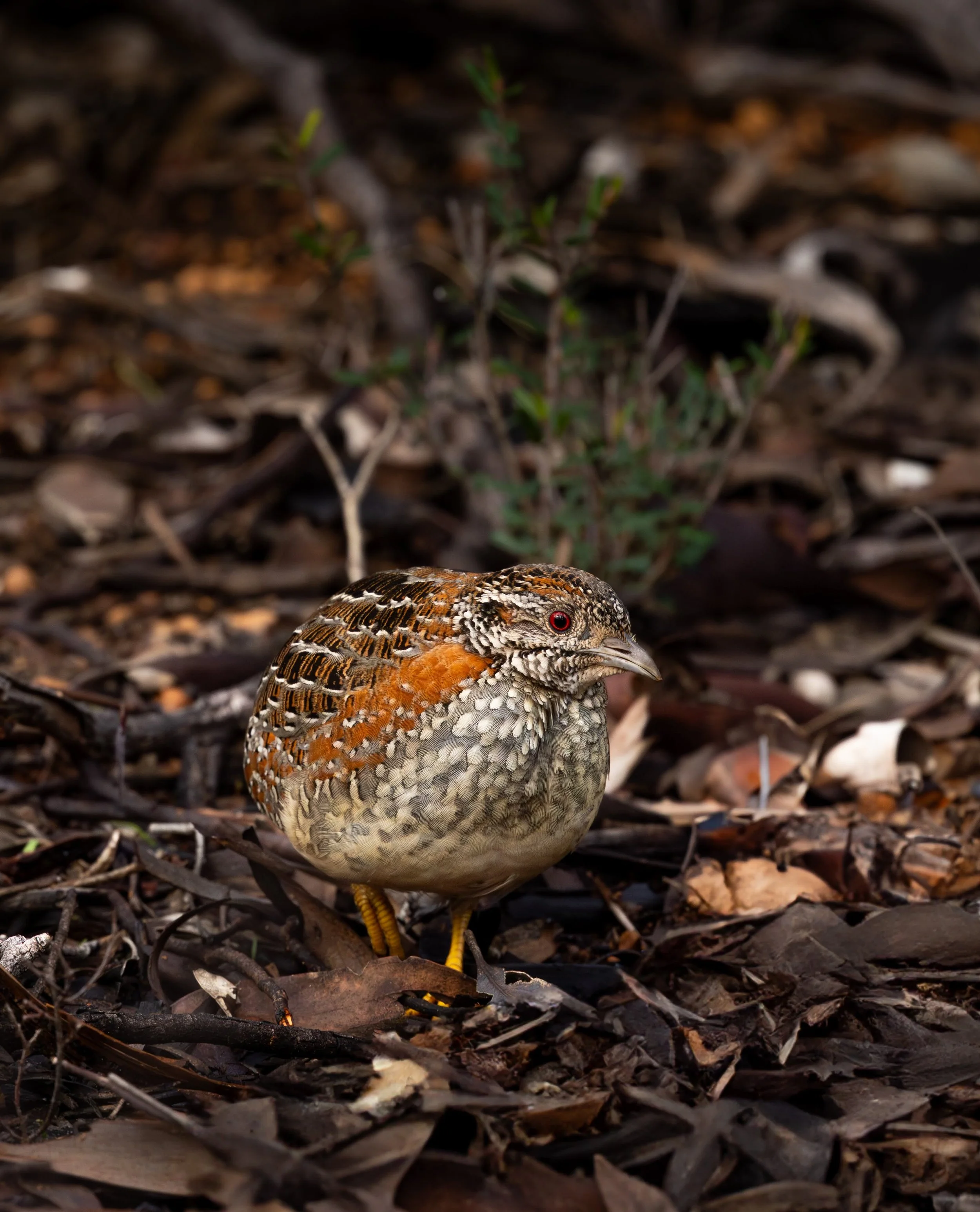
Painted Buttonquail coming to see what we were having for lunch!
Stirling Ranges - Cheynes Beach
Mornings at the Stirling Ranges are special. It’s often overcast, sometimes windy, sometimes rainy but that doesn’t stop the birds. If you’re out their early enough, before the wind kicks up, the soundscape is amazing. Western Fieldwrens are the star of the show amongst Tawny-crowned Honeyeaters, Western Whipbirds, Southern Scrub-Robins, Shy Heathwren and Purple-gaped Honeyeaters. One particular morning as we were picking through the soundscape, we were treated to a Shy Heathwren calling right by the car. It scampered around, sat up, sung mightily to the sky metres from the car and gave us a highlight of the trip! The Whipbirds are hard to see here and from a different subspecies to the ones found in the coastal heath. We’ve had some crippling experiences with them all throughout this spring. Rushing across roads right by our feet and sitting up high and proud to sing at photographable distances. Pretty special moments considering the especially skulky nature of this subspecies of Western Whipbird.
After having our fill of heathy skulkers, we usually head south to the Porongorups. One particular day we made a detour to some salt and freshwater lakes. An enormous flock of Banded Stilt greeted us at the salt lakes while White-fronted Chat gave us something to get excited about at close distance. At the freshwater lake, we had Hooded Plovers you could almost reach out and touch as well as Red-necked Avocet, Sharp-tailed Sandpipers, Red-necked Stint, Red-capped Plovers, Common Greenshank AND! Marsh Sandpiper!!
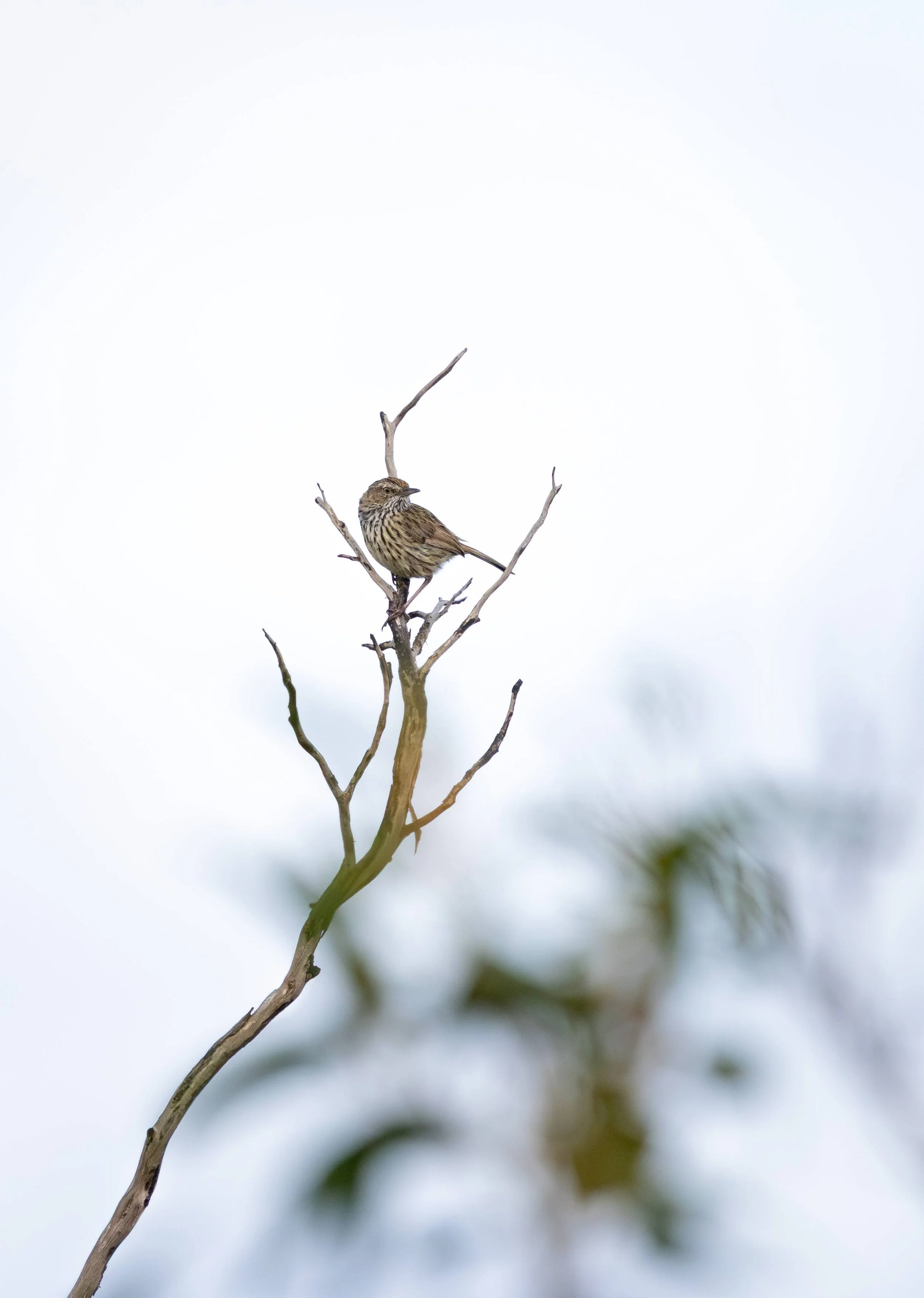
Western Fieldwren perched up beautifully at the Stirling Ranges National Park
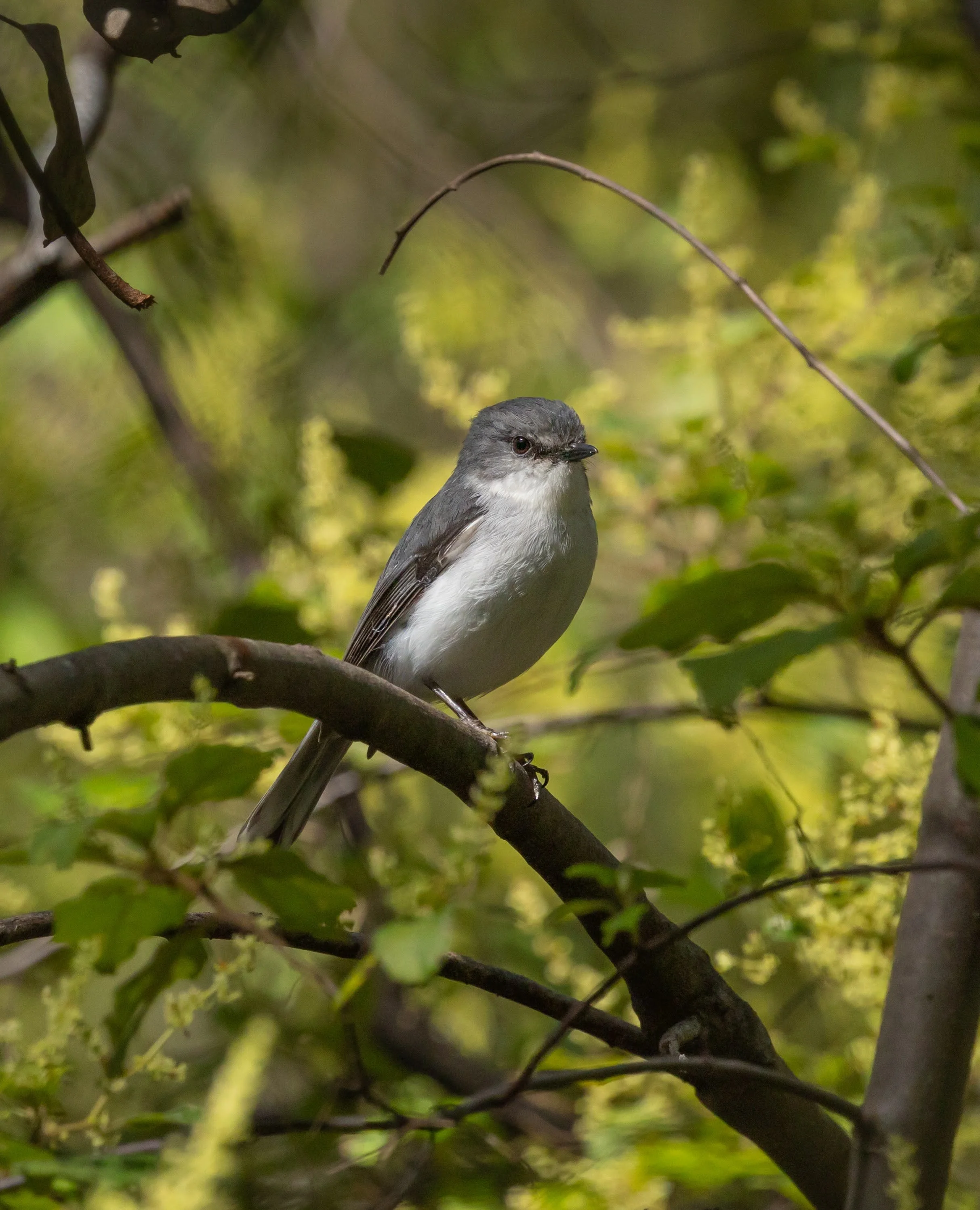
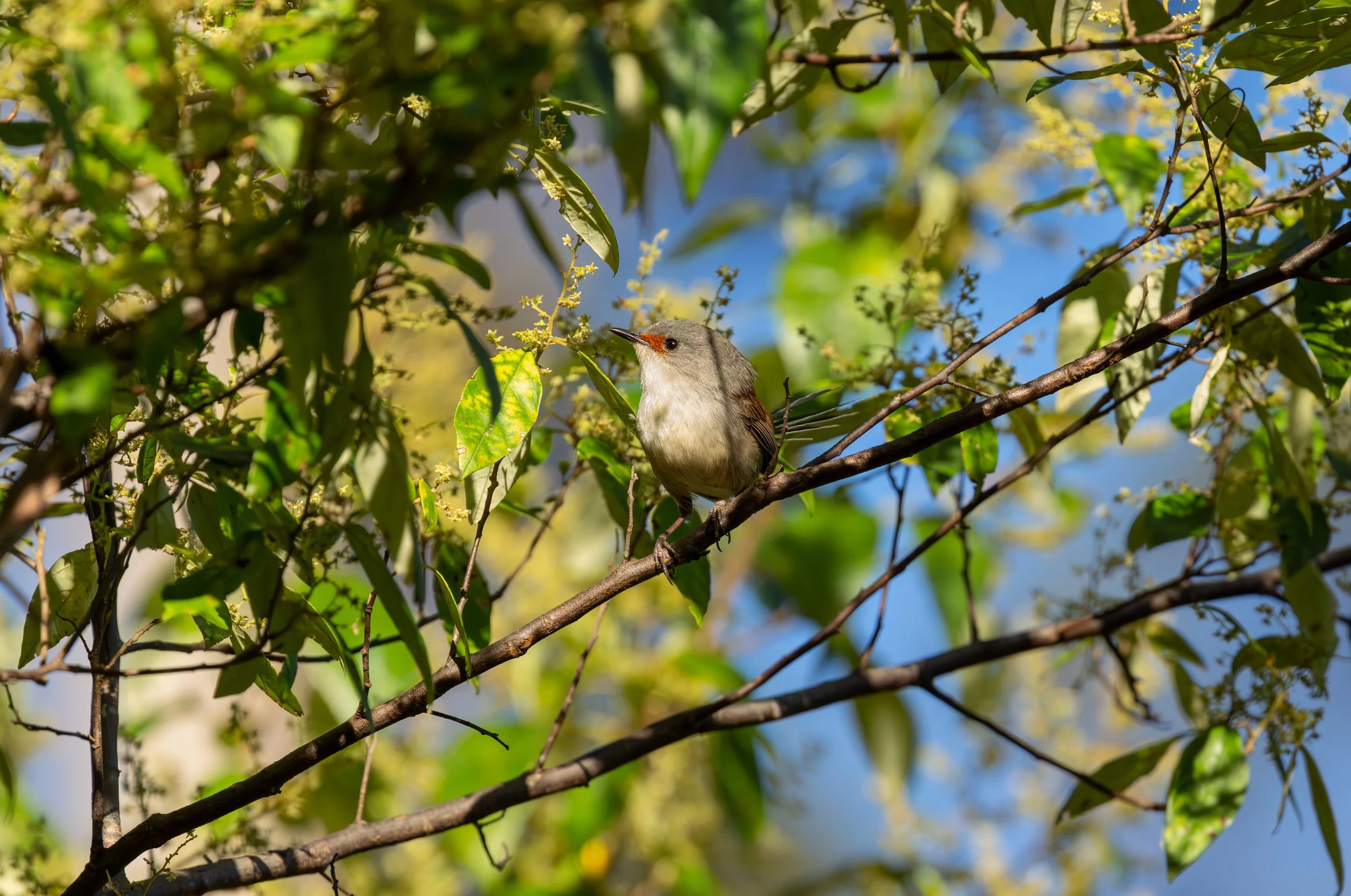
Moving onto the Porongorups along Chester Pass road there is always great chances to see parrots. That is, the majority of the parrot species that are possible for the trip. Including Baudin’s Black Cockatoo and Western Rosella as you move south and into the wetter forests. There are also a few treats waiting amongst the tallest trees around the Porongorups themselves. In the darker, wetter areas, White-breasted Robin and Red-winged Fairywren make their homes. Above them Gilbert’s Honyeaters make themselves known from the Karri trees. During one lunch break, we barely had to move from our chips and dip to have all three within the bounds of the picnic area and at great angles for photos. Generous flyovers from Baudin’s Black Cockatoo and a few Shining Bronze-Cuckoos topped a very nice lunch off.
And off down to Cheynes. This is the most anticipated part of the trip for most guests. The reputation of Cheynes Beach and its surrounding nature reserves precedes it and it is more than justified. With an action packed day in the books, sometimes a break is in order but with the calls of the three skulkers being heard from the cabins, sometimes it is too hard to resist. On most occasions we will go for an evening walk and enjoy the sights and sounds. Appreciate the flowering Banksias and hear our first Noisy Scrub-bird of the trip. One two evenings, we not only heard Noisy Scrub-birds but saw them alongside Western Whipbird, Western Bristlebird and as the icing on the cake, a Honey Possum happily foraging through the Malaleuca. Often, we will see one or two of the skulkers but to have all three on our first evening is something special.
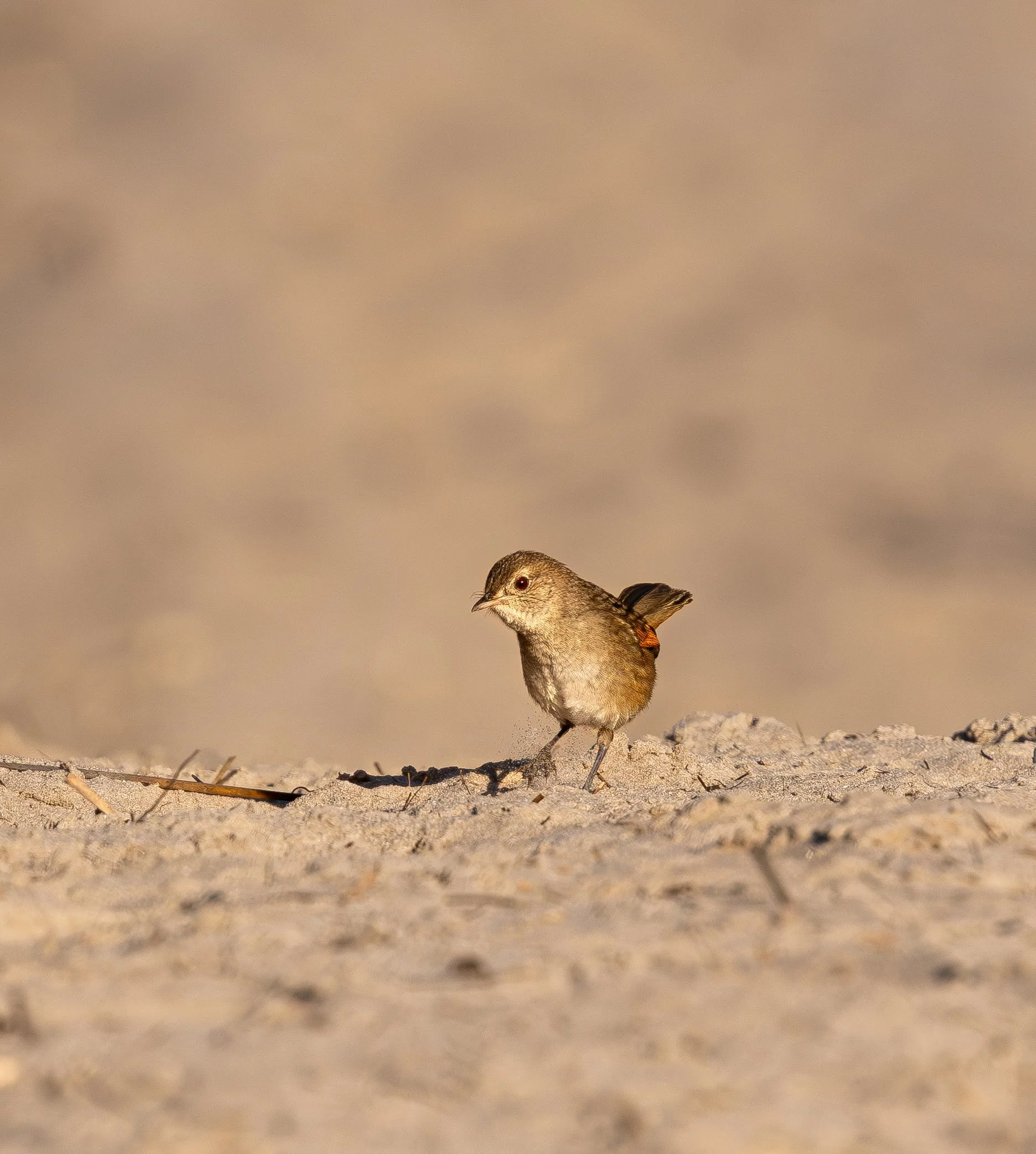
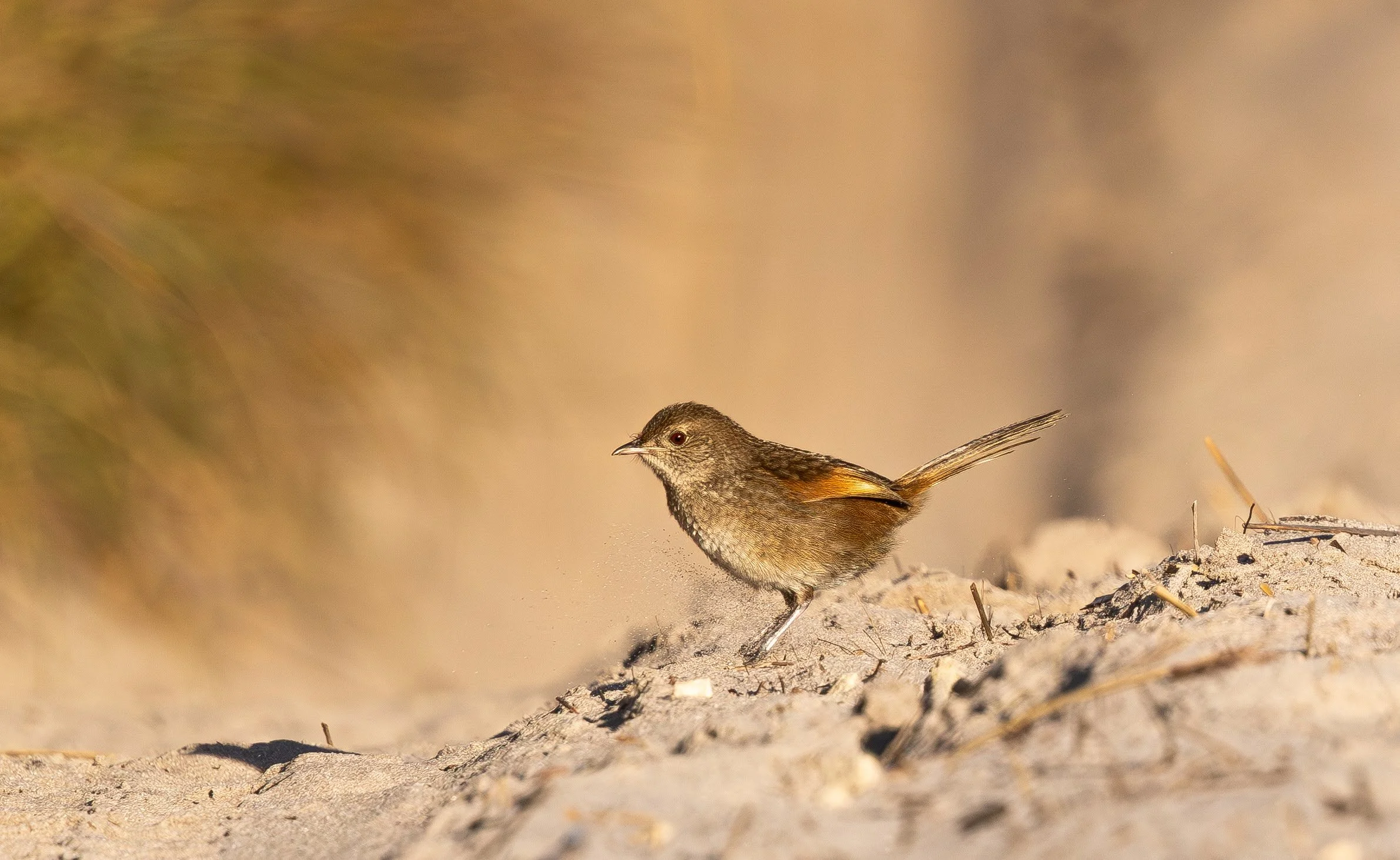
Cheynes Beach
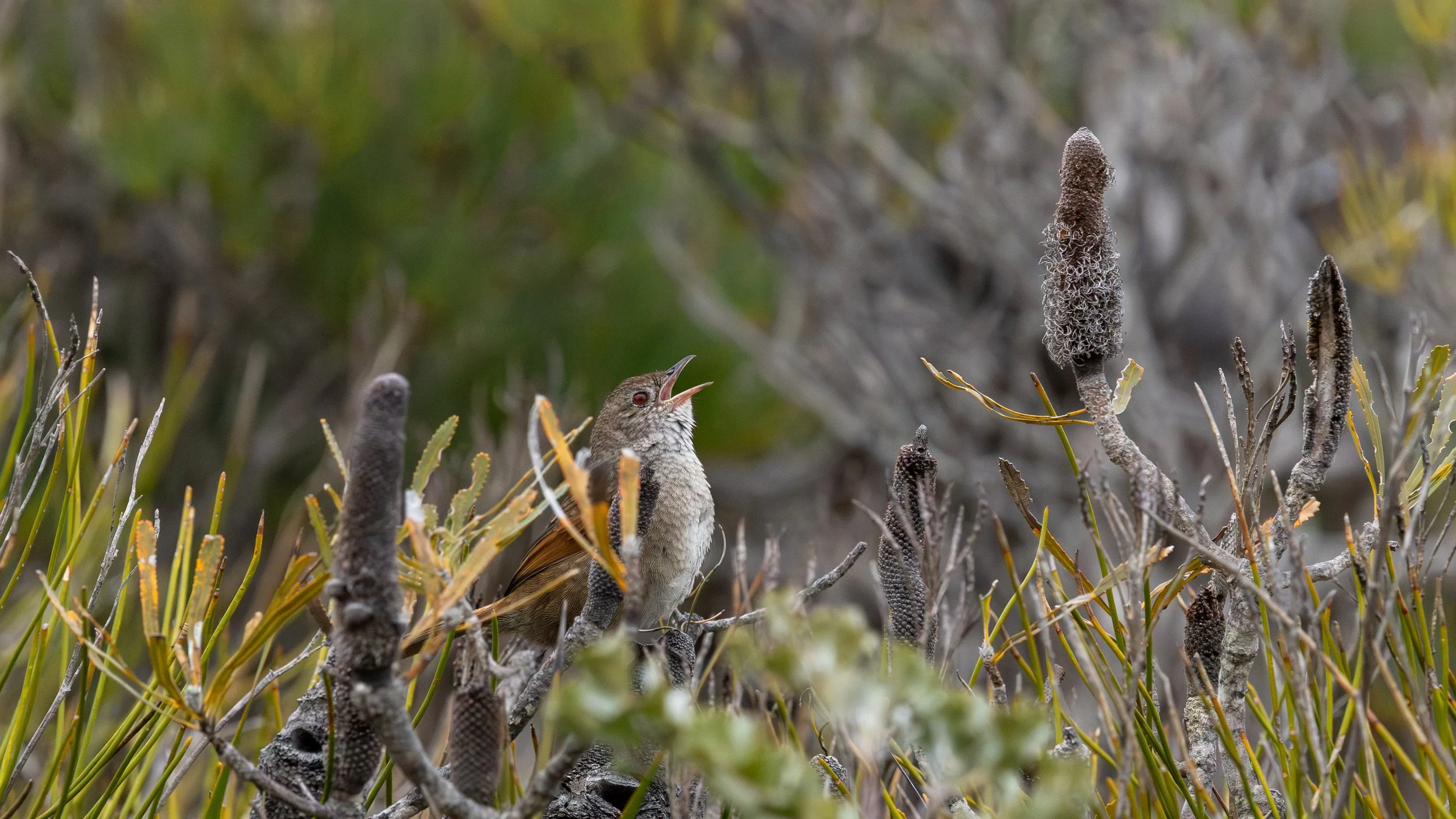
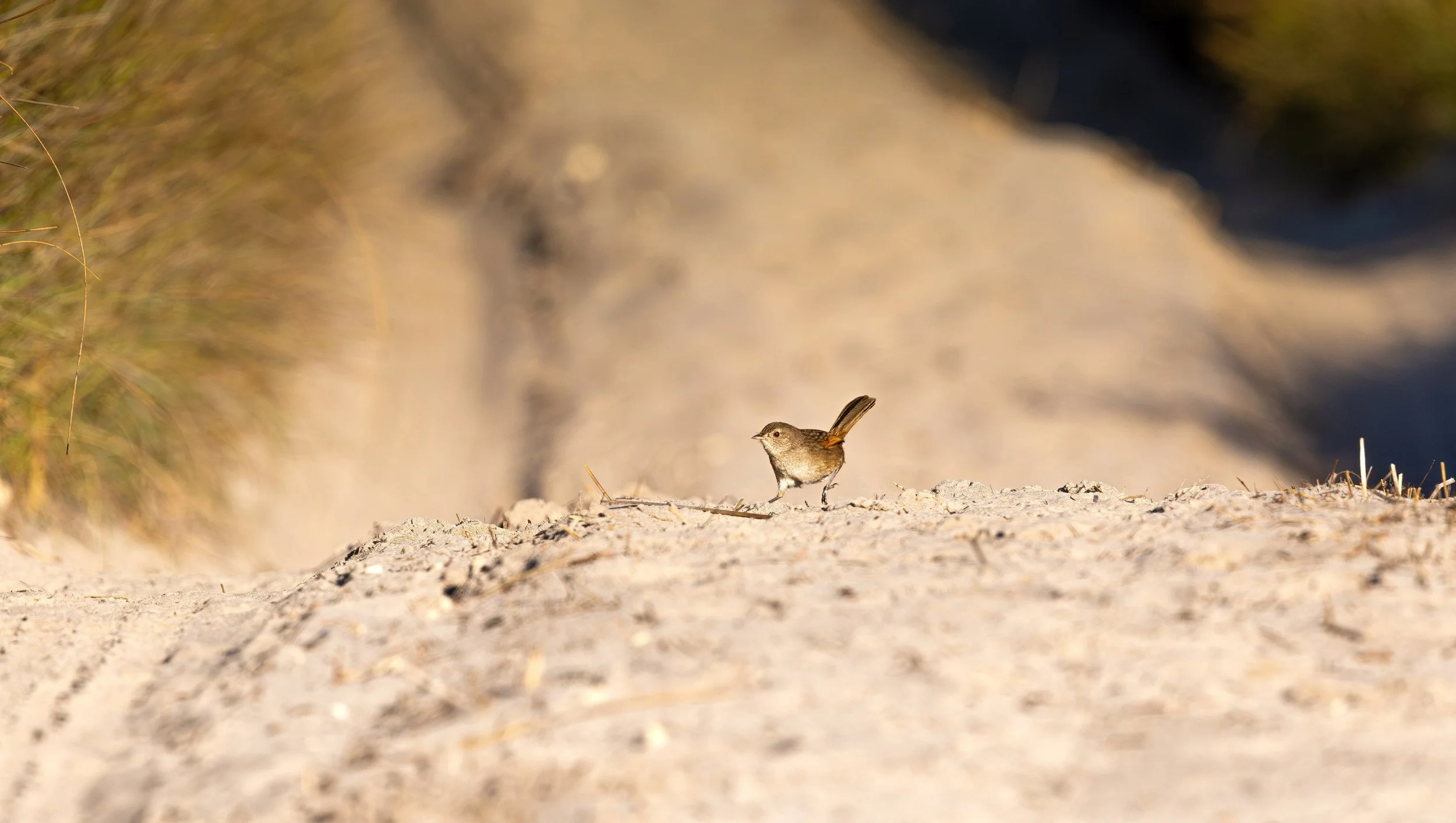
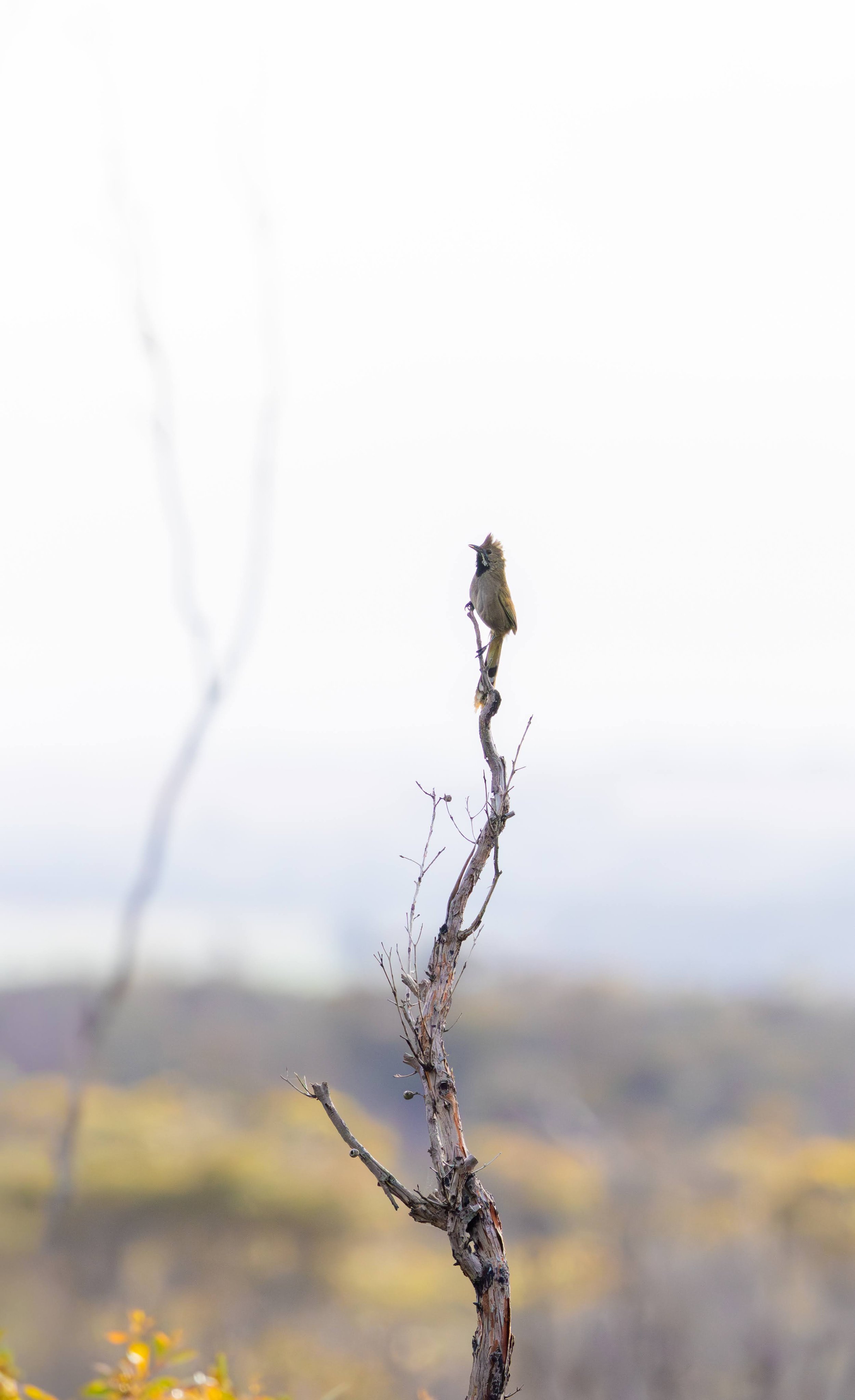
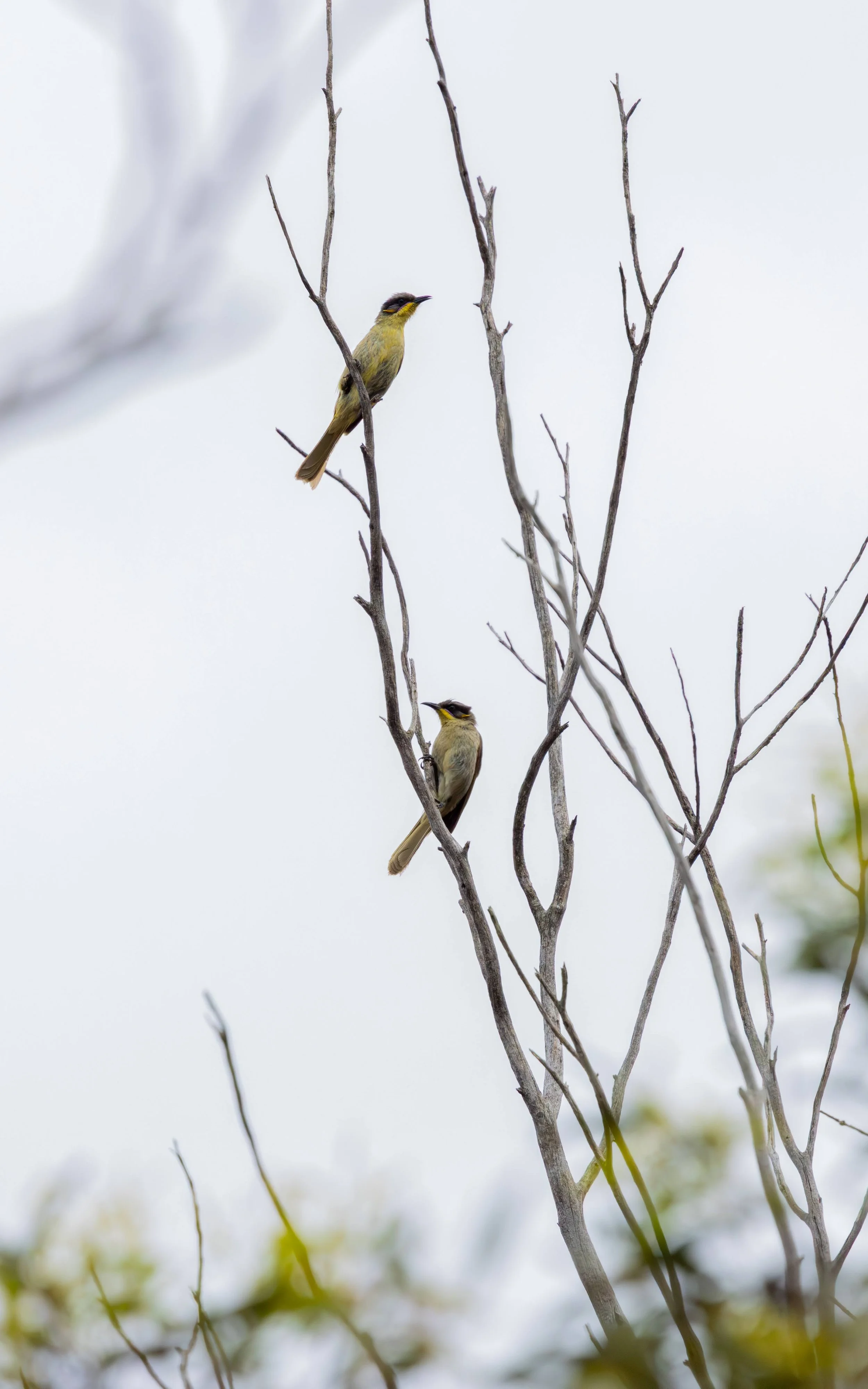
Morning breaking at Cheynes is one of the most exciting parts of a Birding Southwest tour, or a birding trip in Western Australia at all for that matter. There is so much to see (even if all the skulkers have already been seen the day before!) and photograph. A soundscape underwritten by Noisy Scrub-birds and accented by Western Bristlebirds is absolutely wonderful and is a pretty good reason to leave breakfast until later! At the beginning of a stroll out into the ultra-diverse heathlands of Arpenteur Nature Reserve and Waychinicup National Park, you might think that all you can see is New-Holland Honeyeaters dominating the flowering Banksias. That is until you realise that there are abundant White-cheeked Honeyeaters here too. Then your ears and eyes might dial in and realise that there is not only Red Wattlebird around the caravan park, but Western Wattlebird that adore a Scarlet or Baxter’s Banksia! On one particular morning we were enjoying the sights of Western Wattlebirds chasing each other around the bright red Scarlet Banksias, trying to retrace the glimpse we had of a Honey Possum dropping from its colourful perch when a Western Bristlebird called within arms reach of us. With patience, those calls often turn into a bird happily foraging on the track. To our delight, this one popped out just a few metres ahead of us in great light and proceeded to forage towards us unphased by the boots on the sand in front of it.
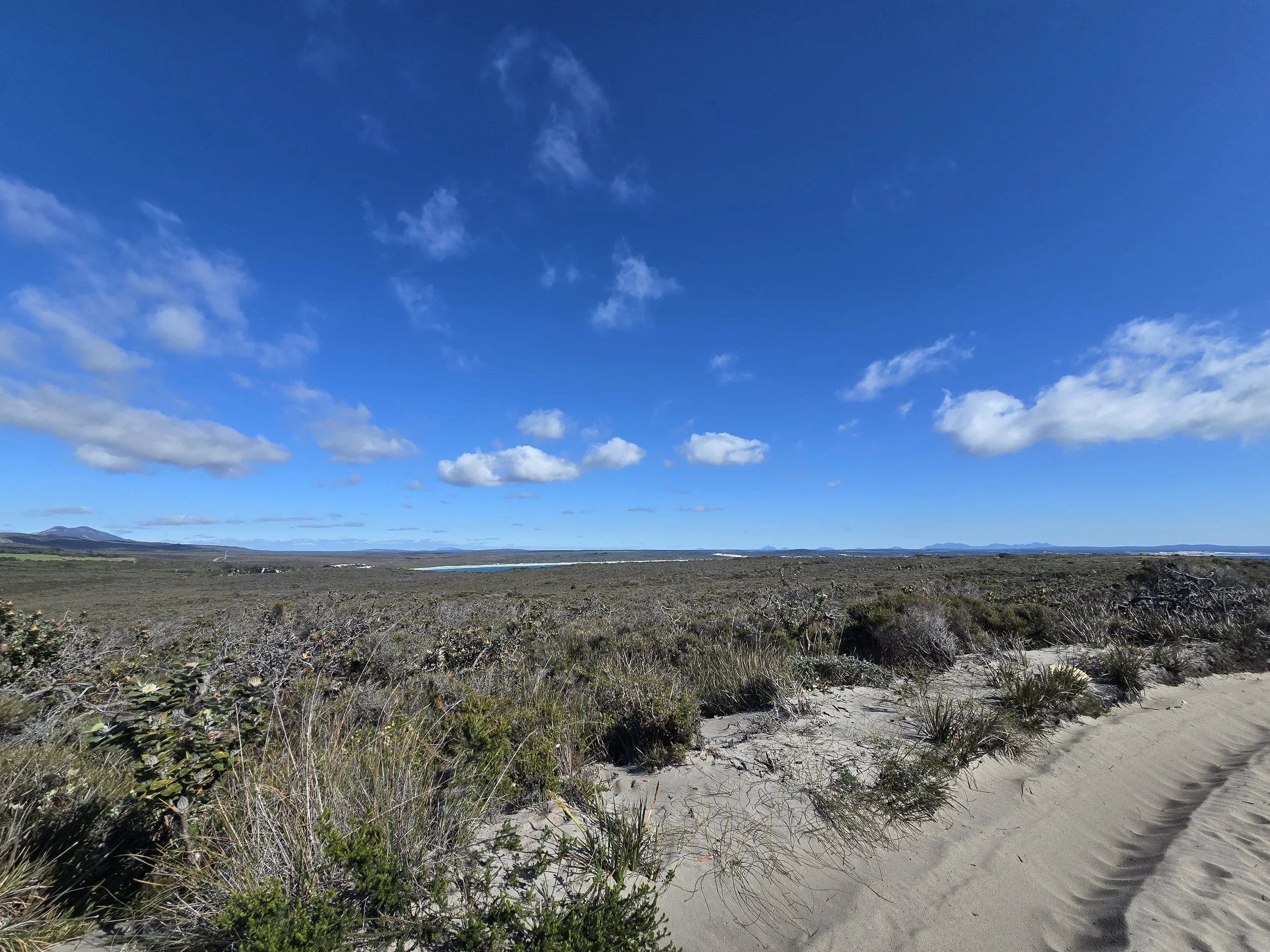
The view from Arpenteur Nature Reserve down towards Cheynes Beach Caravan Park and onto the ranges behind.
It is always a pleasure to see Red-eared Firetails bouncing around the heathland, although this is not a common sight. More often than not, we will see them around the caravan park. It is important to say that this is easily one of the nicest and best managed caravan parks in Australia. The scenery is beautiful of course, but the hospitality and well maintained grounds are as good as it gets. This is particularly true for birders. With comfy cabins and a dog free area right in the middle of a well vegetated area. No wonder the Red-eared Firetails nest right outside the cabins! At times you will see them displaying from the powerlines right by the cabins with a long piece of grass and if you’re lucky, you’ll see them fly to a little nest they’ve made and pose for great views. One particular nest became well known to Birding Southwest guests throughout this spring and made for exceptional and unobtrusive views of their behaviour. Something not many people get to watch with a cup of tea or a sandwich in one hand and a pair of binoculars in the other. Of course, we should mention the reptiles that comfortably sun-bathe as an addition to the show. King’s and Southwestern Rock Skinks are readily seen underneath and around the cabins.
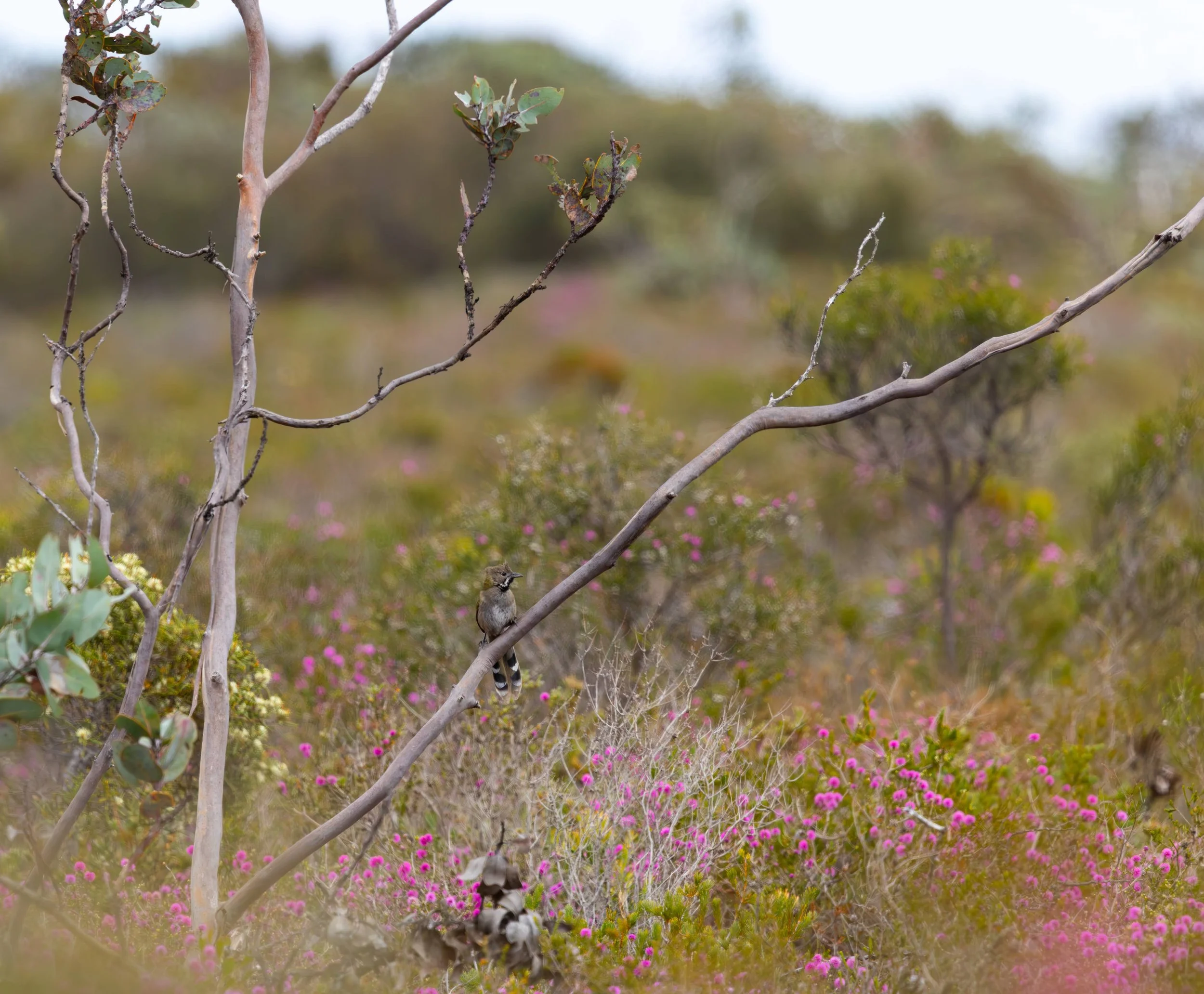
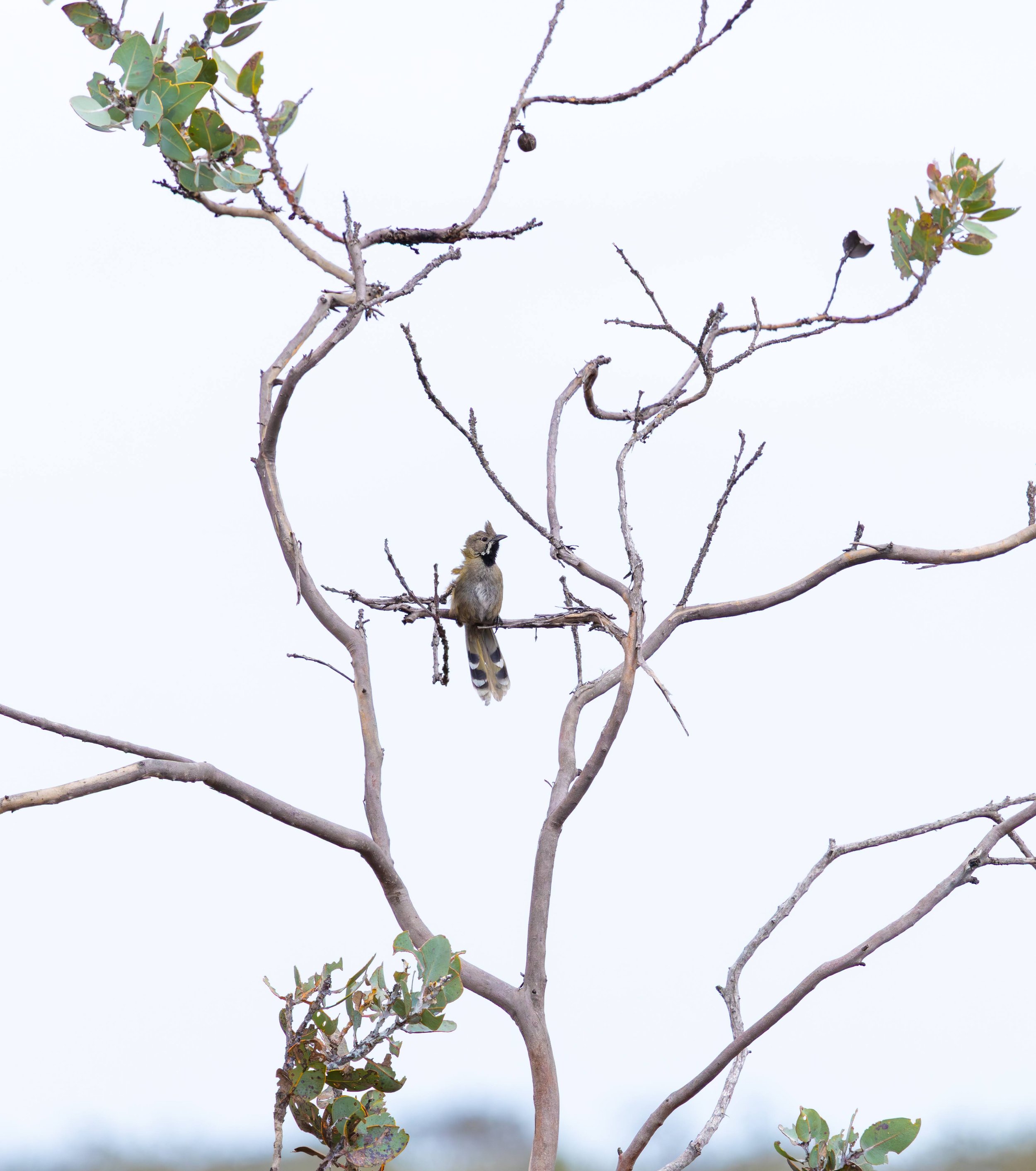
After lunch, a trip out to the Waychinicup inlet provides more opportunities for Western Whipbird and Honey Possum but also great viewing opportunities for Red-winged Fairywren, White-breasted Robin and a chance to see a White-bellied Sea Eagle nest. This year a highlight of the Waychinicup trips was watching a Peregrine Falcon dive bomb a White-bellied Sea Eagle while an Osprey fished in the background. Brush Bronzewing are also typically seen in this area as well as back at the caravan park.
The evening often has us focussed around the beach and the rocky headland where Spotted Scrubwren scowl as you walk past. Many hours over this spring were spent watching Southern Right Whales. Mothers and calves coming right up to the rocks. As did, on one occasion, an Indian Yellow-nosed Albatross much to our delight! Often Flesh-footed Shearwaters and Australasian Gannet can be seen with a quick scan out to sea and Sooty Oystercatcher and Pacific Gull run the rocks. After that, a Noisy Scrub-bird stake out at the well known spot is in order. Seeing a single crossing is a proper Australian birding experience. Seeing five or more crossings in a 15 minute period is an absolute treat and on that particular evening had us so excited we almost forgot about dinner. But dinner is always necessary after a big day of chasing skulkers. Besides that, it’s a great opportunity to wait for the Quendas to come out and forage on the lawn after dark.
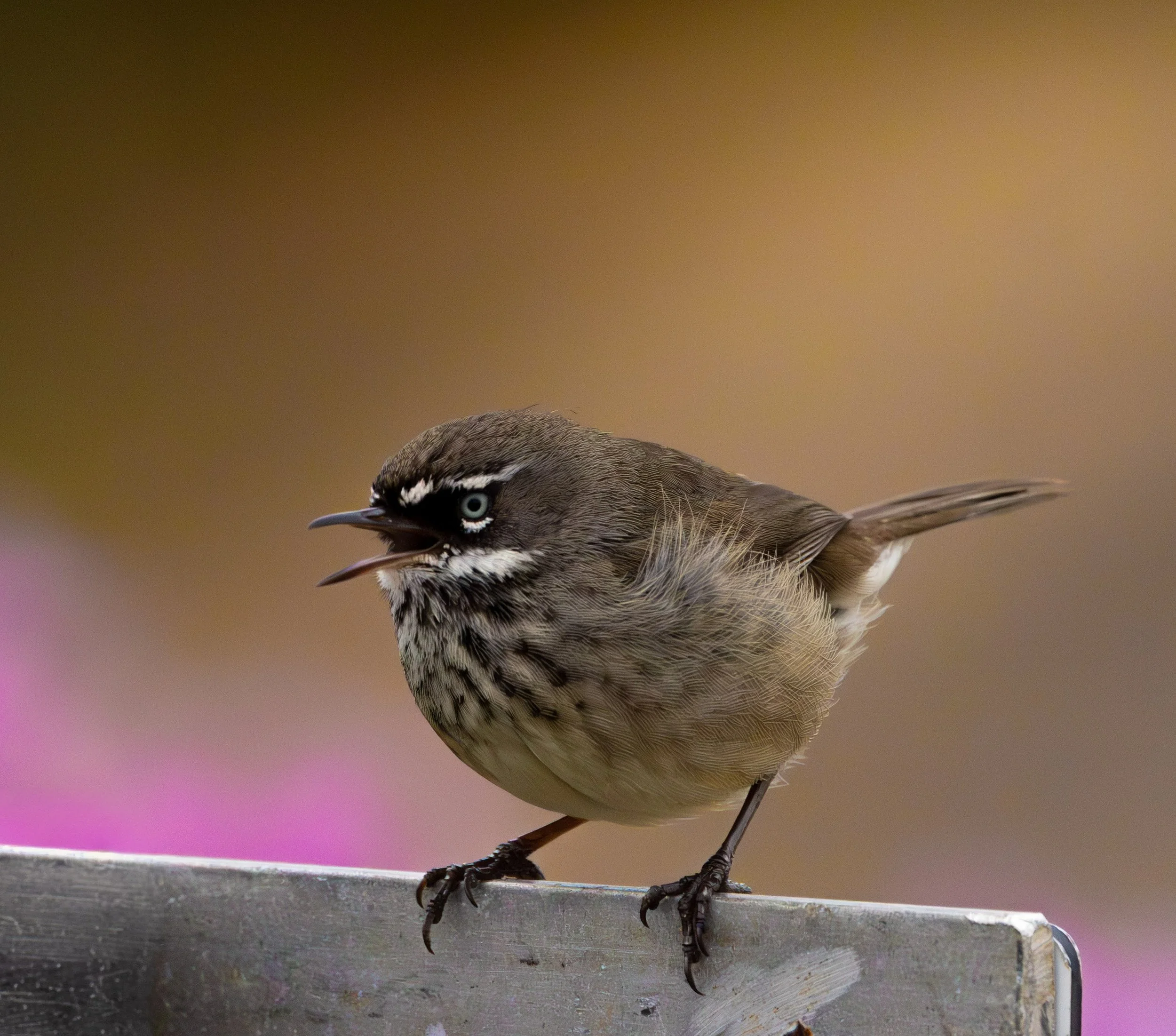
Spotted Scrubwren at Cheynes Beach
Corackerup Nature Reserve and Fitzgerald River National Park
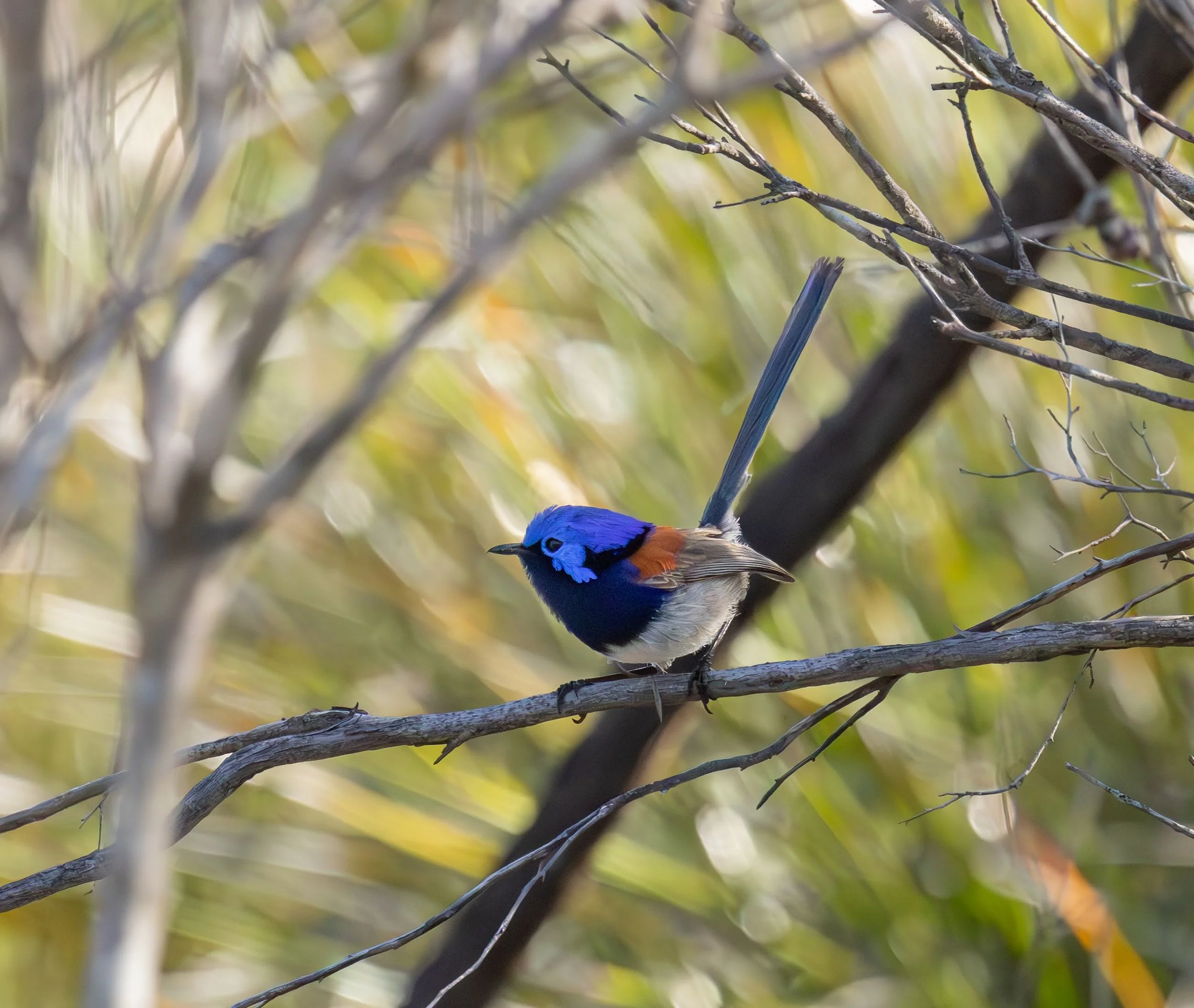
A big day and successful day at Cheynes often means we have plenty of time to explore further afield. Corackerup Nature Reserve and Fitzgerald River National Park are fantastic places to visit not far from the comforts of the caravan park. The major target out this way is Malleefowl. This spring was very successful with Malleefowl with most trips at least getting a peak. One group was treated to one walking slowly across the track in front of us. They normally run away at the first sight of people!! Southern Scrub-Robins are a huge highlight in this area as well. They are in such great abundance in the area and the soundscape is often dominated by their calls and song. They are hard to see but can be found crossing the track if you’re lucky. Shy Heathwren are the same and can provide fantastic looks with patience. Purple-gaped Honeyeaters and Blue-breasted Fairywrens are a little easier to get good looks of and at a few particular spots we have had fantastic experiences watching them forage. White-browed Babblers and Grey Currawongs are found bouncing around to fill in the aviscape.
Fitzgerald River National Park is a welcome stop before lunch at Bremer Bay. Filled with Western Whipbirds and Tawny-crowned Honeyeaters but noted for its floral biodiversity. It is a must visit for any nature lover. On one particular visit, while appreciating the magnificent Royal Hakeas, we found an enormous abundance of Western Spinebill that had found a particularly plentiful area of nectar and were a pleasure to watch and listen to amongst the enormous array of colours.
Lunch isn’t the only reason to visit Bremer Bay. Sometimes there are Rock Parrots around too! We visited the harbour for a look at the Crested Tern colony on the last trip of the spring and were greeted by some very young and very confiding Rock Parrots.
The return to Cheynes Beach provides us with lots of opportunities to upgrade the views or photographs we already have of the three skulkers.

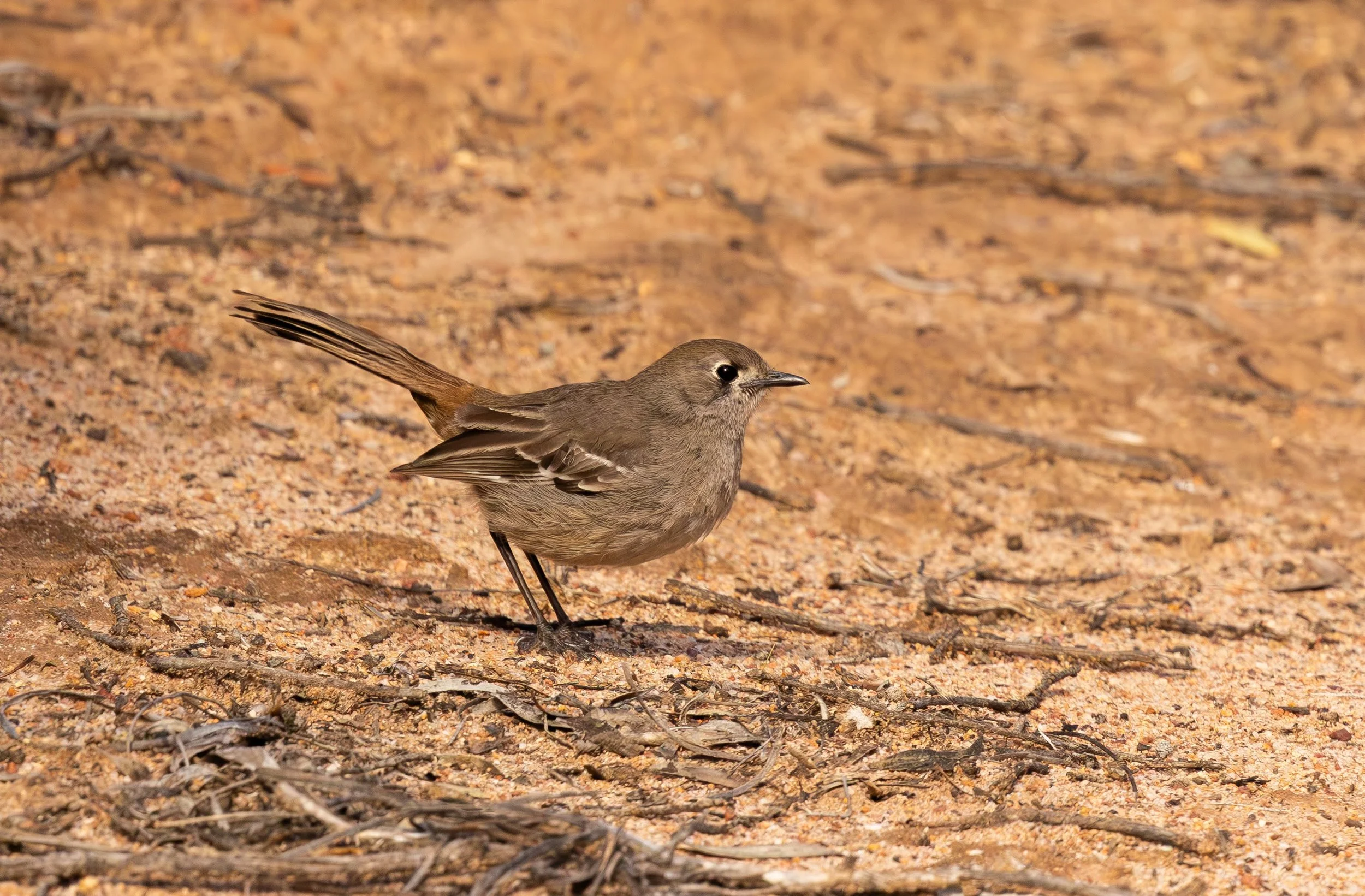
Cheynes Beach - Pemberton
Saying goodbye to Cheynes Beach is never easy but a visit to the ultra-birdy Lake Seppings on the way to Pemberton makes it a bit easier to peel away. At lake Seppings, there are great opportunities for Little Grassbird and during one tour we had them perch right on the edge of the reeds for us to enjoy crippling views of this difficult to see bird. We had opportunities to watch Red-capped Parrot, Western Rosella and Sacred Kingfisher nest and rear chicks throughout the spring as Blue-billed Ducks chased each other around incessantly. The number of breeding birds at this lake during this spring was exceptional. Straw-necked and Australian White Ibis, Little Pied, Black and Great Cormorant dominated every exposed branch with nest material and begging chicks all through the season. Red-eared Firetail and Southern Emu-wren are some of the lesser seen gems of Lake Seppings and over the spring we had many great experiences with them.
Later in the spring, Rushy Point in Princess Royal Harbour is a fantastic spot to stop before heading west. Fairy Terns are easily the highlight out here but for the shorebird nerds, Grey Plover, Pacific Golden Plover, Greater Sand Plover and Red-necked Stint forage at low tide in good numbers.
To the west we head towards Western Corella country. A stop in the Lake Muir area breaks up the drive but also gives us an opportunity to pick up Muir’s Corella which is the other subspecies of Western Corella. In this same area we had the privilege of coming across Baudin’s Black Cockatoo delicately pulling seed out of Marri fruit and Red-tailed Black Cockatoo doing the same with a little less precision. A couple of Chestnut Teal were found on the same trip on a dam in the paddocks adjacent to the Jarrah-Marri woodland.
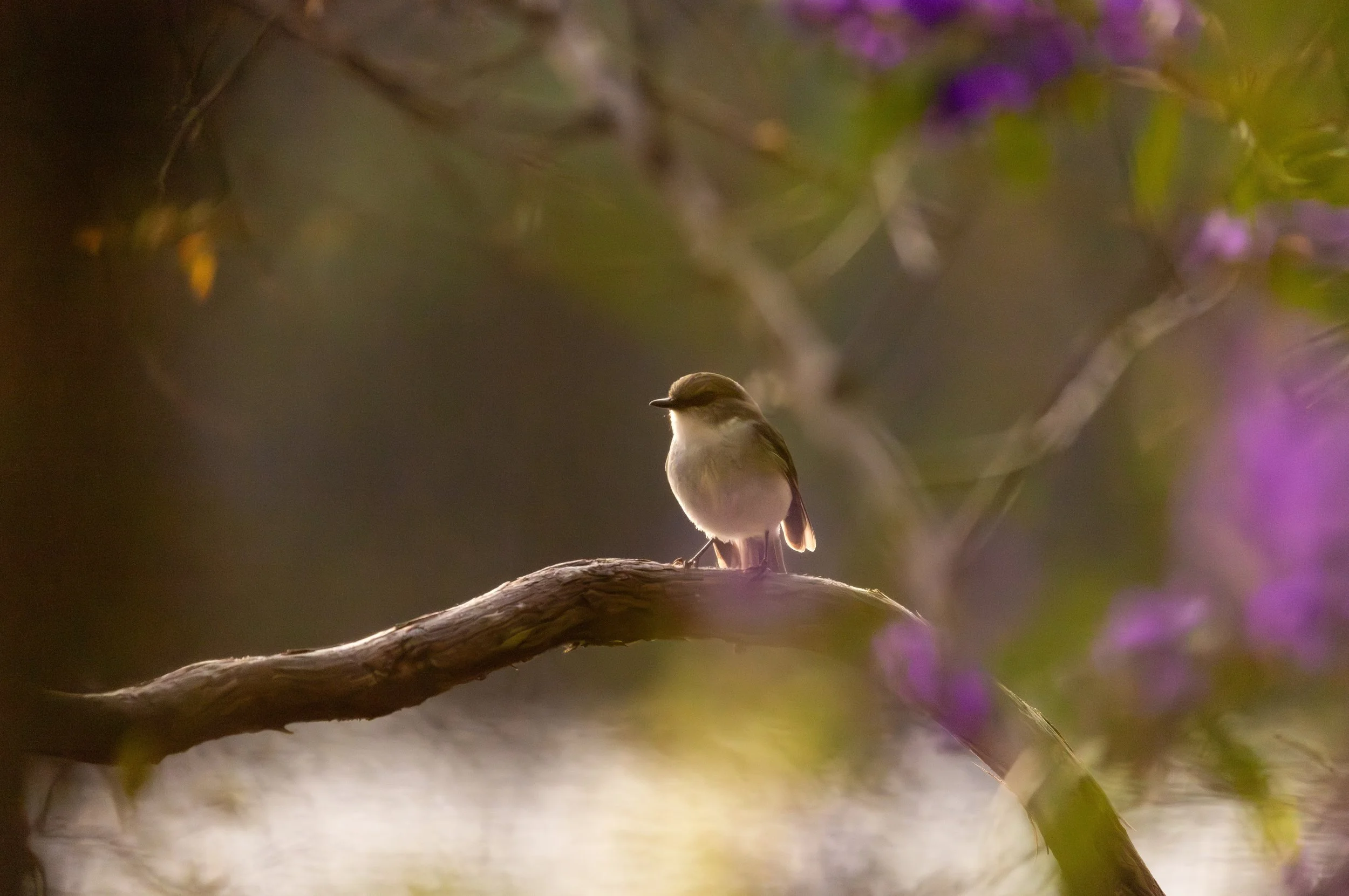
The tall Karri start to appear on the way to Pemberton and this area is a fantastic spot to upgrade photos of those endemics that prefer the wetter, taller forests such as Red-winged Fairywren and White-breasted Robin before a hearty meal and a nice break.
Pemberton - Cape Naturaliste
The excitement of heading towards Rock Parrot country is sometimes too much temptation and on most trips we hit the road right away to go and see them around Augusta. There are many good spots for them if you know where to look but the Cape Leeuwin Lighthouse is the most popular spot for them especially if Paul the lighthouse keeper lets you in early! From the lighthouse we had opportunities to see Shy Albatross and Great-winged Petrel amongst other seabirds and earlier in spring we had a massive feeding event with huge numbers of those species as well as Flesh-footed Shearwater and Indian Yellow-nosed Albatross. There was likely more in there, but the guests wanted to keep moving! Bridled Terns are also a highlight of this area in the later months of spring and at certain spots you can find them settling in to breed on large limestone islands.
On the way north from Cape Leeuwin, there are many stops in this very birdy part of the world. It is a great area to clean up anything that has been missed or not seen well so far. Western Yellow Robin, Inland Thornbill, Western Shrike-tit and Splendid Fairywren are great examples of this. This area is also home to a solid population of Australian Masked Owl. Some lucky guests had the opportunity to hear and then see an individual after a delicious dinner at Caves House.
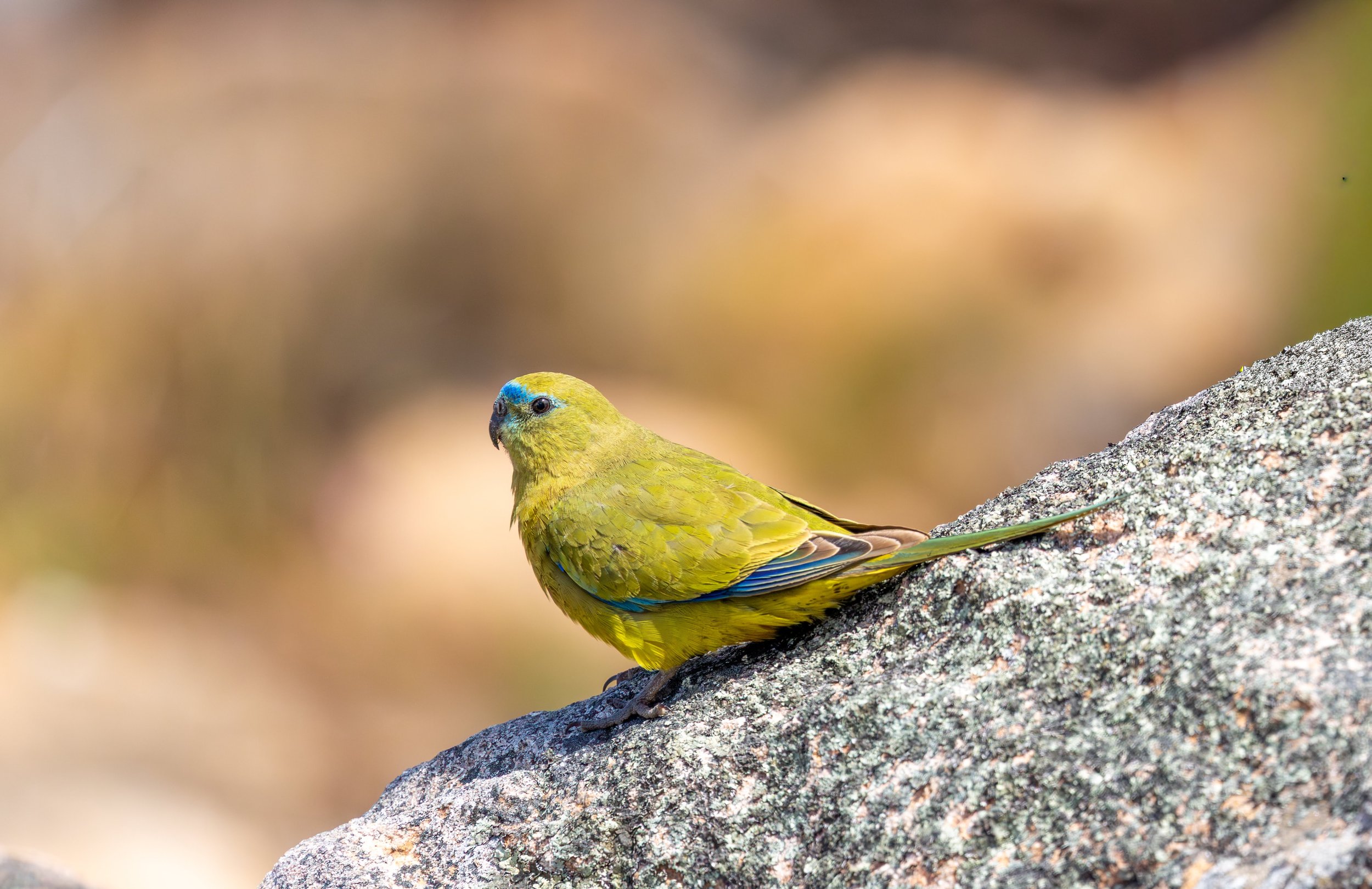
Rock Parrot near Augusta
Cape Naturalise - Perth (Rottnest Island)
The return up to Perth sees us usually birding the Vasse-Wonnerup system. This is a very productive wetland surrounded by the convenience of the urban landscape. Highlights from this springs visits included Musk Ducks displaying metres from the front of the hide, Fan-tailed Cuckoos being fed by their much smaller parasitised parents and Square-tailed Kites cruising through the Tuart Forest.
Further north in the Peel-Harvey wetland system around Mandurah, shorebirds are the major attraction. On the last trip of the season we had Eurasian Whimbrel, Eastern Curlew, Terek Sandpiper, Common Sandpiper, Bar-tailed Godwit and Common Greenshank all at the same spot! It is an amazingly productive system worth exploring on the way back up to Perth.
A night in the Fremantle area before heading to Rottnest Island gives us a chance to spend some time in Tuart Woodland and the coastal Dunes. Painted Buttonquail and Purple-backed Fairywrens are huge targets of the Tuart Woodland while White-winged Fariywrens are the stars of the suburban beaches despite being little known at certain locations.
Over at Rottnest, the seabirds and shorebirds are the focus. Banded Stilt are the big attraction but Red-necked Avocet and Pied Stilt are found in good numbers quite often here too. The friendliest Australian Pied Oystercatchers make for a great experience next to crystal blue waters. On one occasion after turning away from appreciating the massive mixed flock of stilts, we heard a Painted Buttonquail. We tracked it down to the coastal scrub and eventually it showed well on the track. A Birding Southwest first on Rottnest Island.
Rottnest Island has an endemic of sorts too. The Rottnest Island Red-capped Robin. Its call is completely different to the mainland birds and they have no current connection with them. If they are not a full species now, one day they will be! Regardless of that, they are a fantastic bird to see on this island. They gleam amongst the muted, salty tones of the islands foliage and lakes. Rotto is a perfect way to top off a trip to the Southwest!
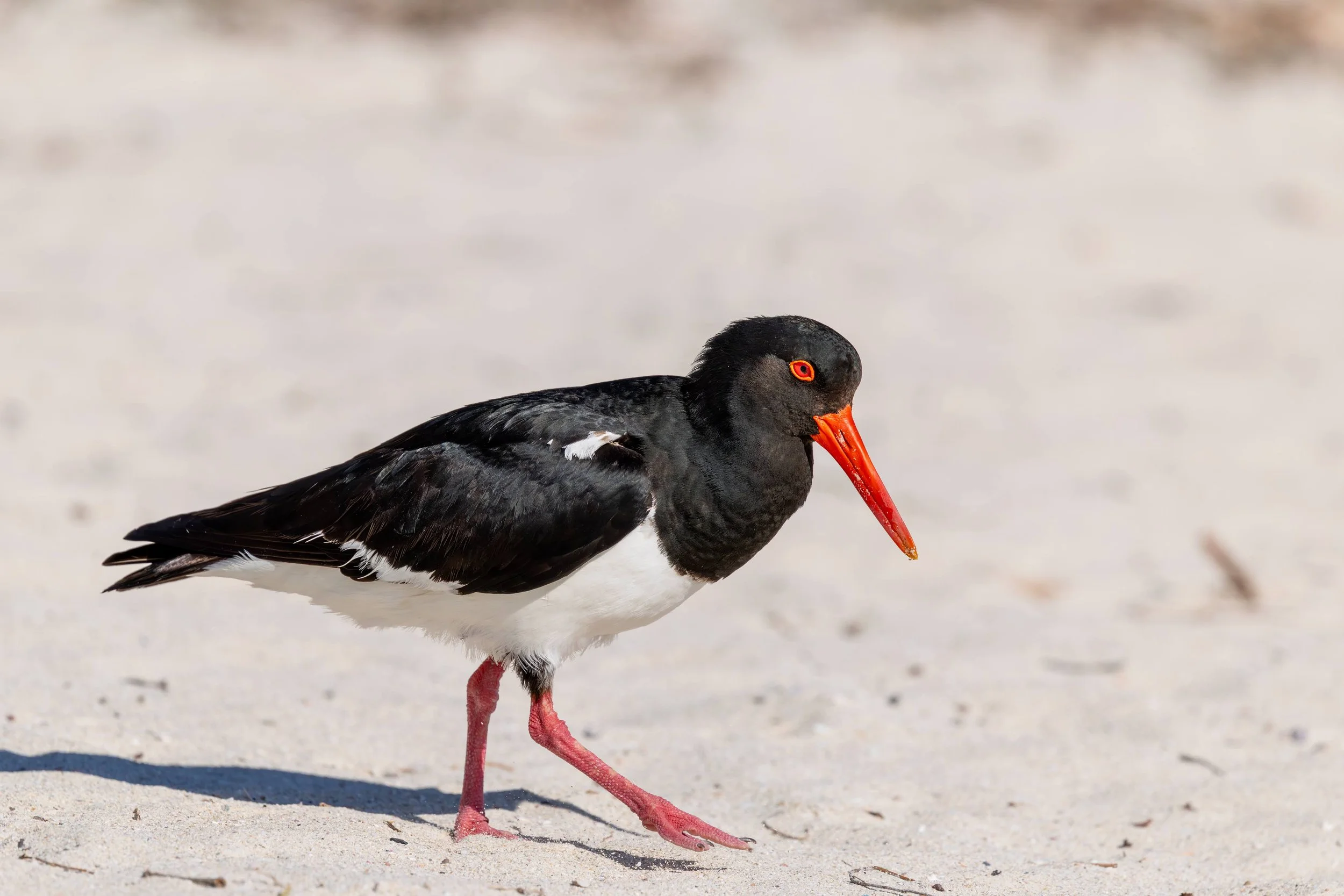
Australian Pied Oystercatcher on the clean beaches of Rottnest Island.
On this hugely successful string of spring trips, we saw a maximum of 182 species on a single trip and a total of 205 different species. These itineraries are available here, upcoming departures are available here and if you’d like to get in touch about a private trip get in touch here!
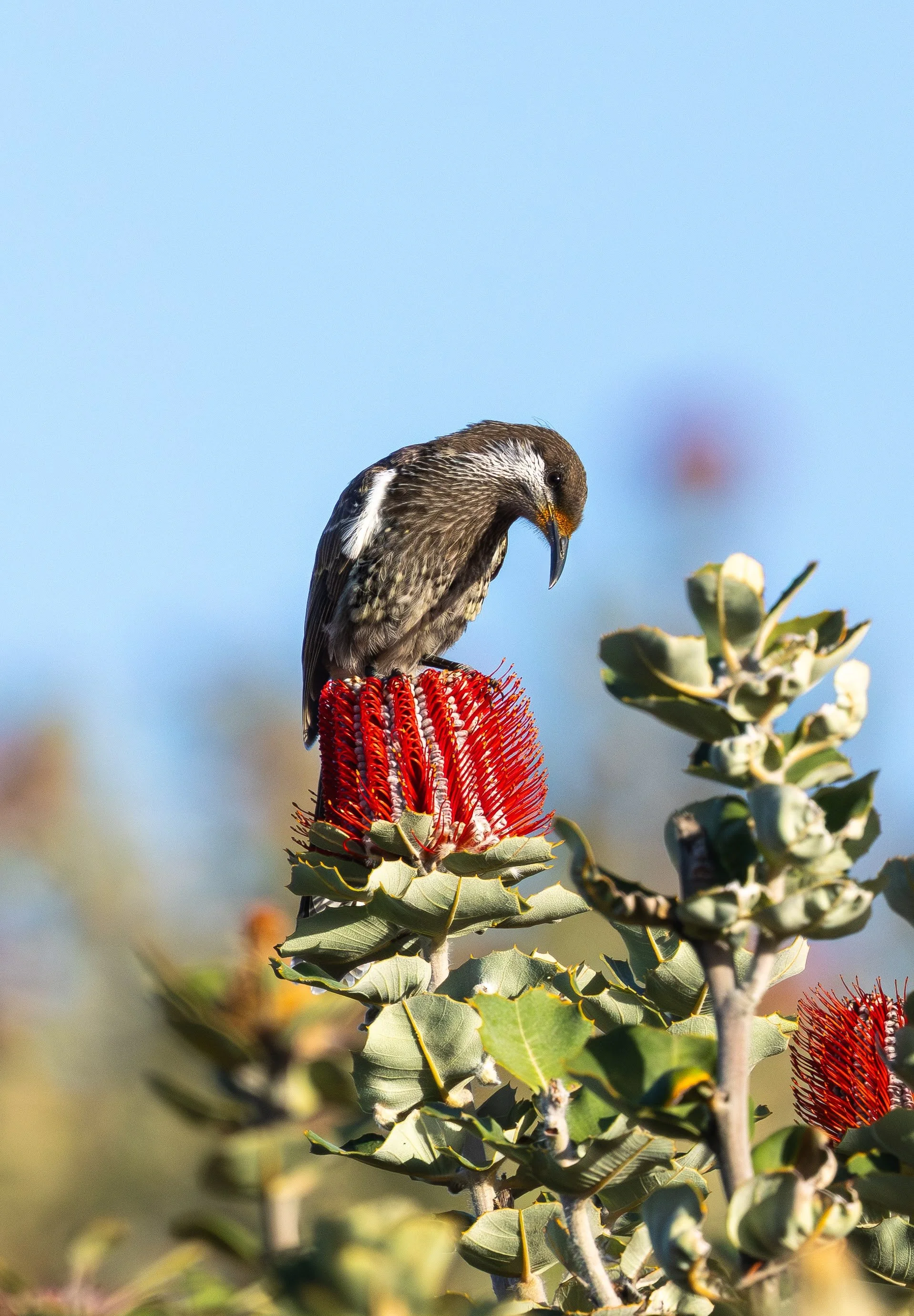
Western Wattlebird on top of its favourite Scarlet Banksia