
The Kimberley
(Black Grasswren & Kimberley Honeyeater)
-
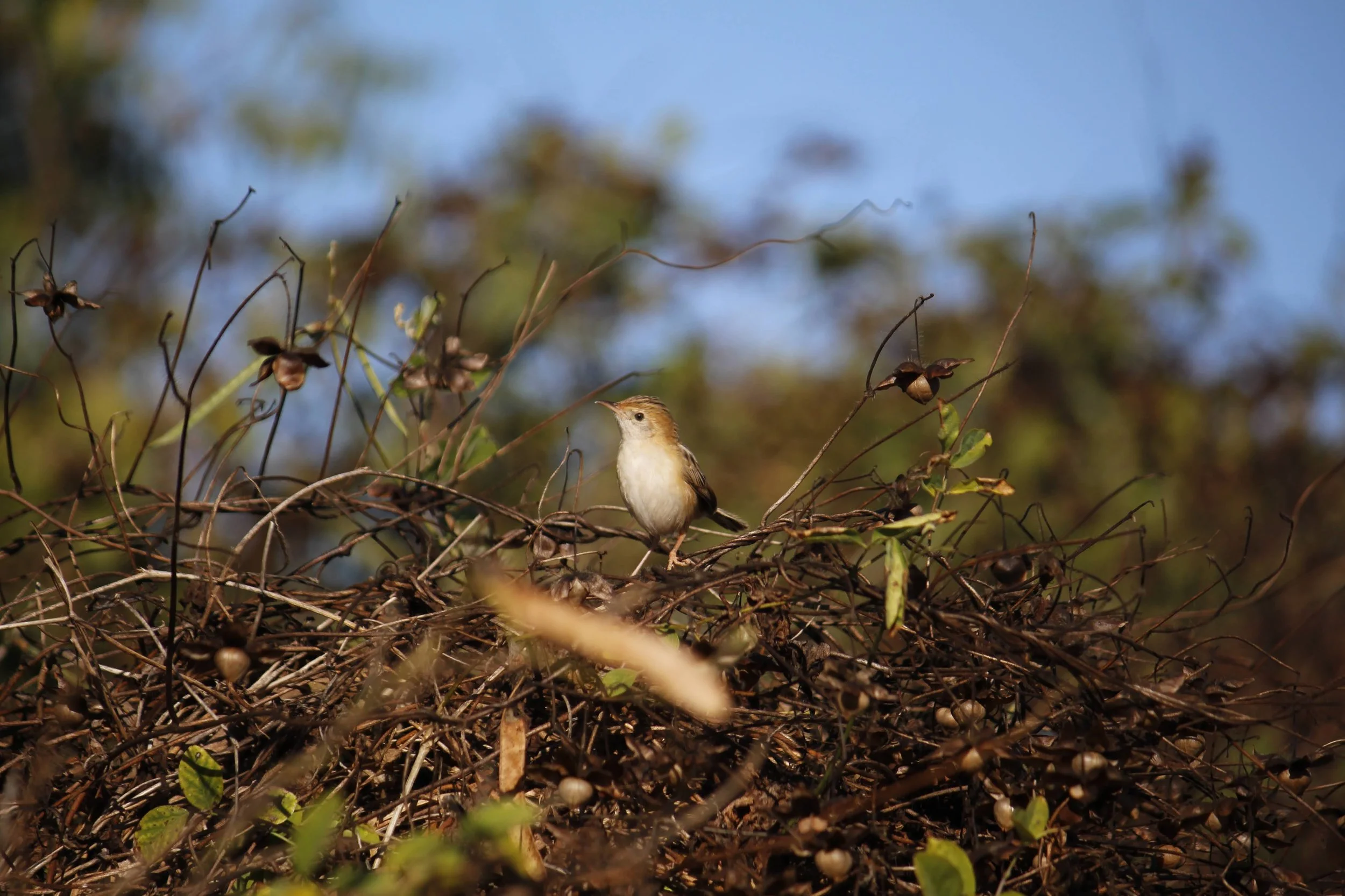
![Golden-headed Cisticola]()
Day 1: Broome
Common Redshank
Asian Dowitcher
Yellow Chat
Golden-headed Cisticola -
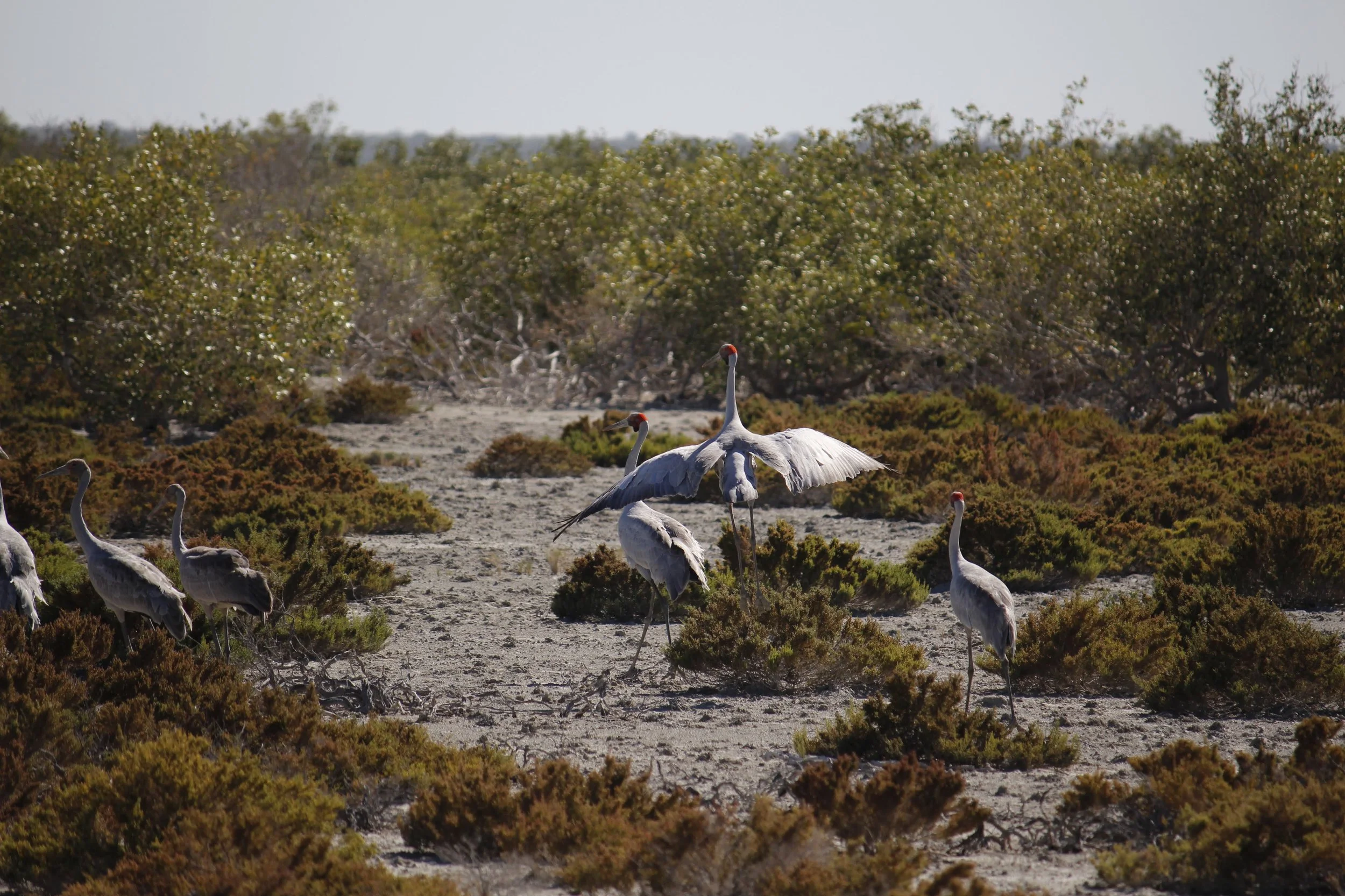
![Brolga]()
Day 2: Broome
Dusky Gerygone
White-breasted Whistler
Broad-billed Flycatcher
Brolga -
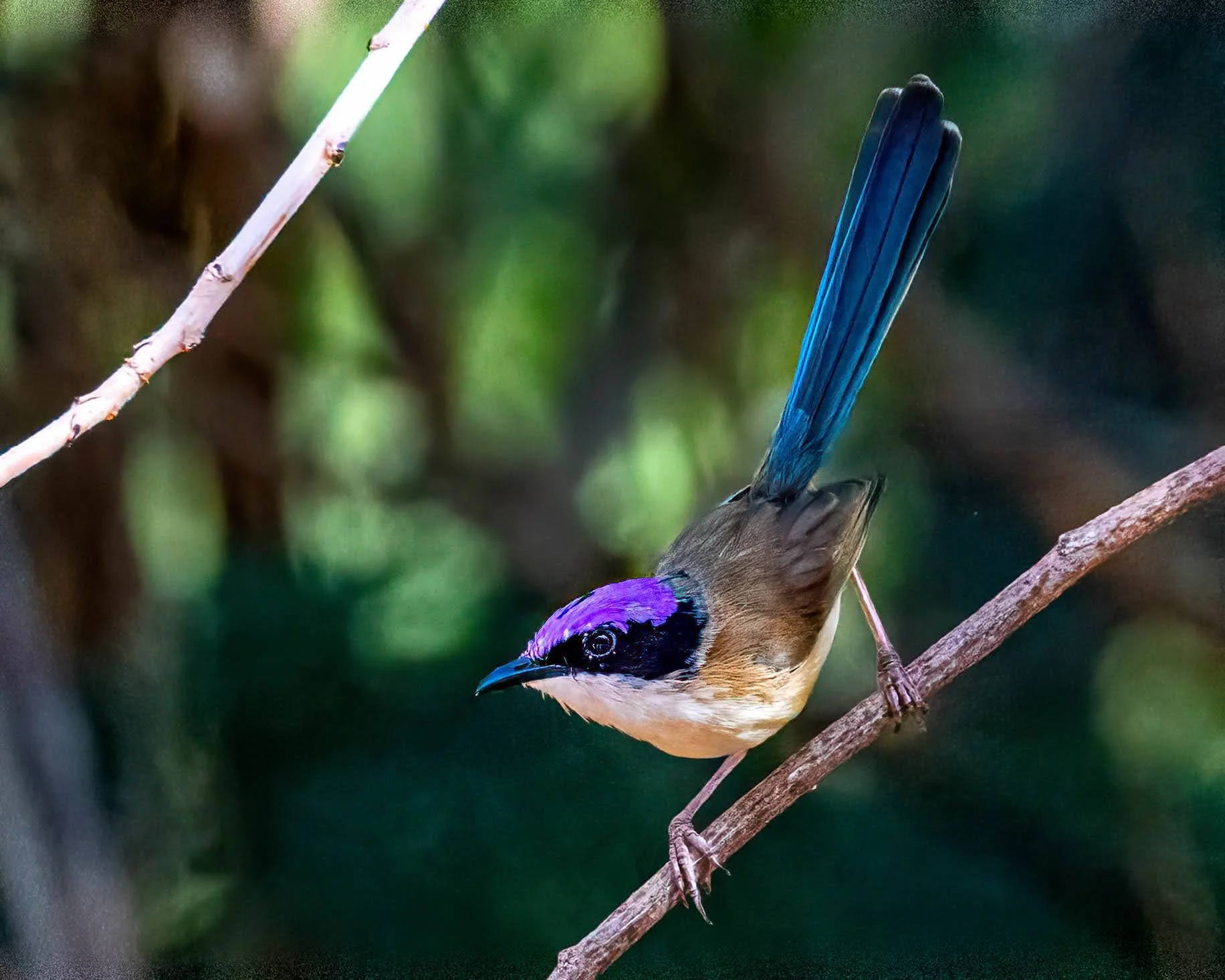
![Purple-backed Fairywren]()
Day 3: Broome - Mt Hart
Long-tailed Finch
Masked Finch
Northern Rosella
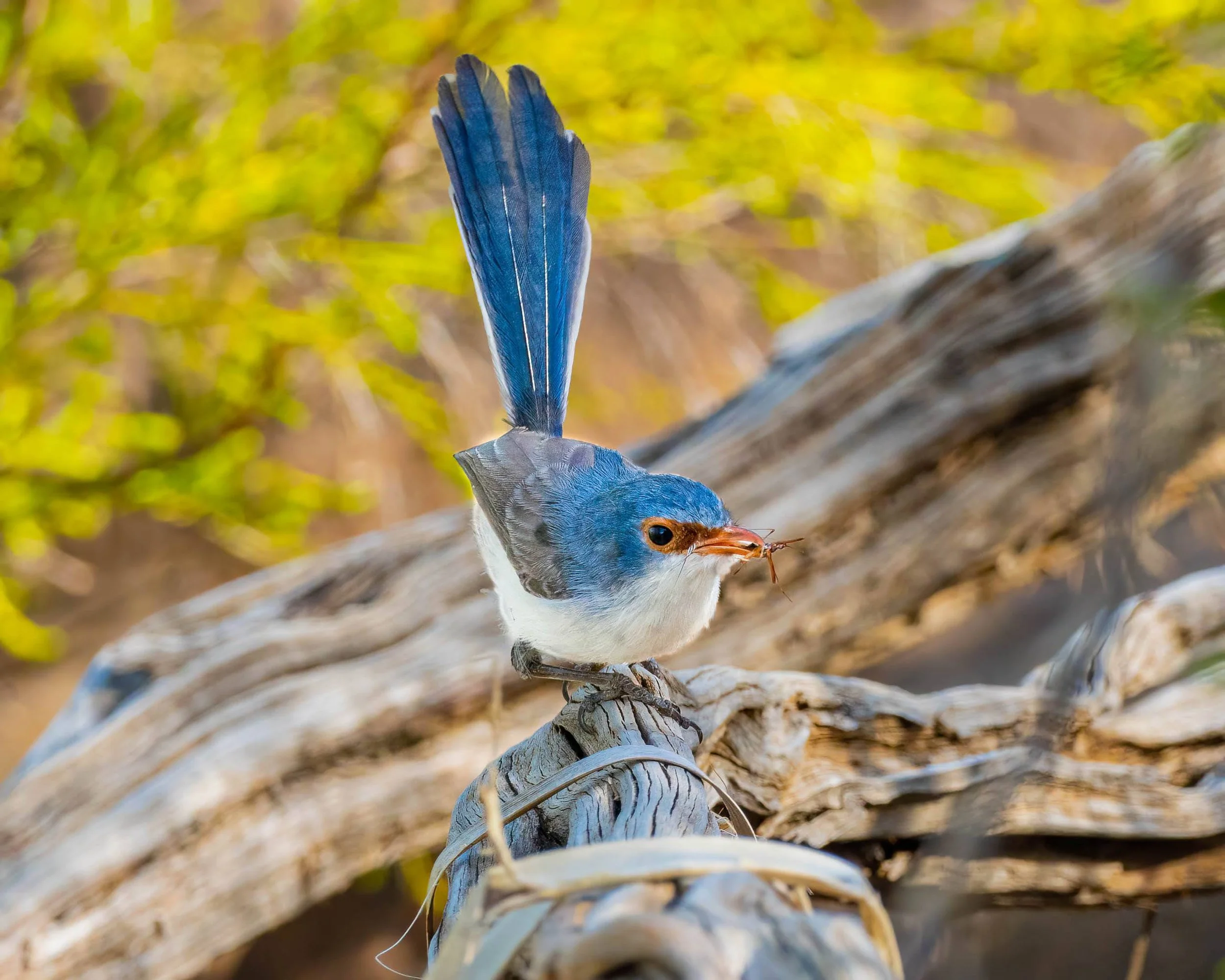
Purple-backed Fairywren -
![Azure Kingfisher]()
Day 4: Mt Hart
Green-backed Gerygone
Barking Owl
Yellow-tinted Honeyeater
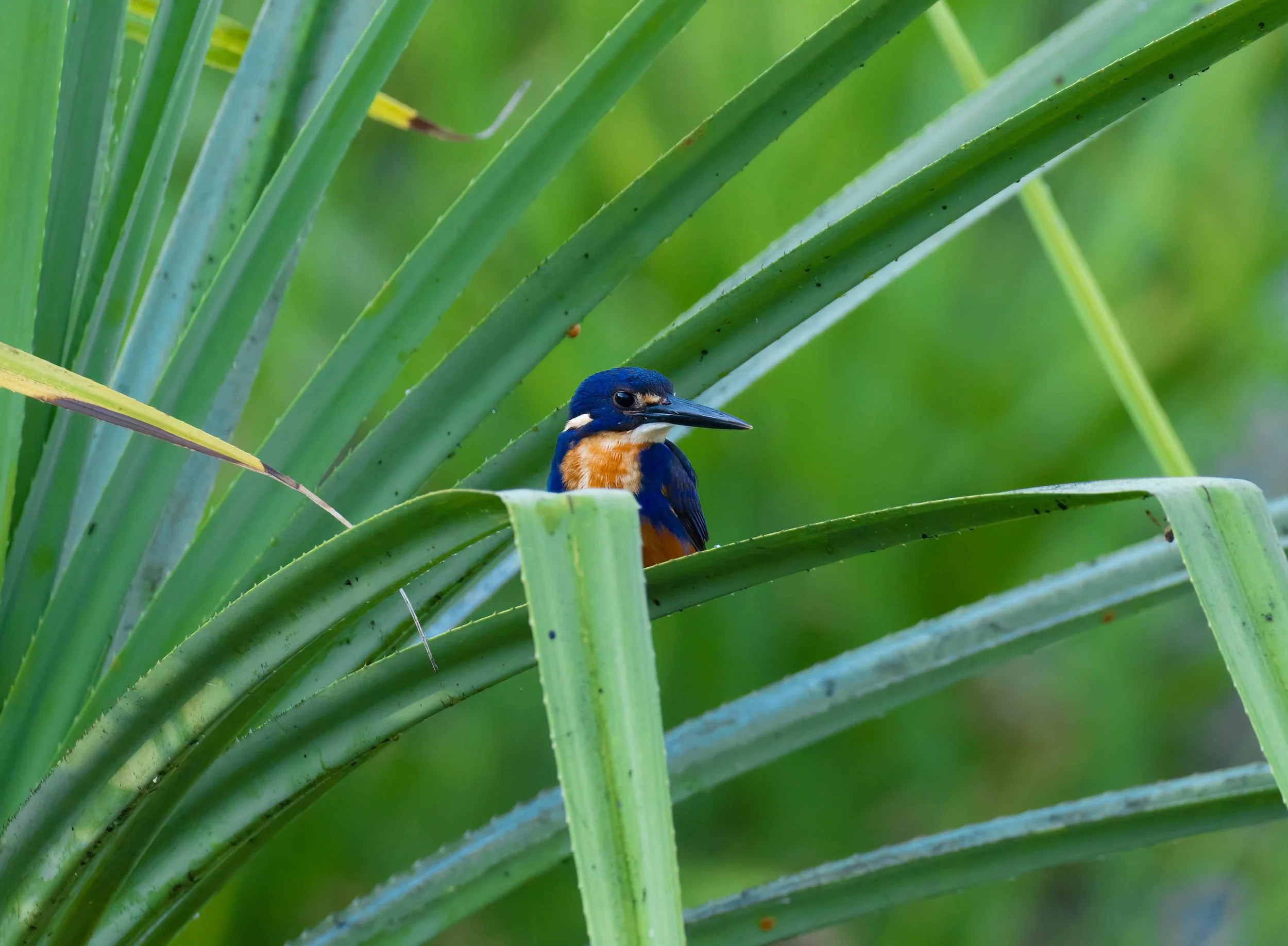
Azure Kingfisher -
![Crimson Finch]()
Day 5: Mt Hart - Drysdale Station
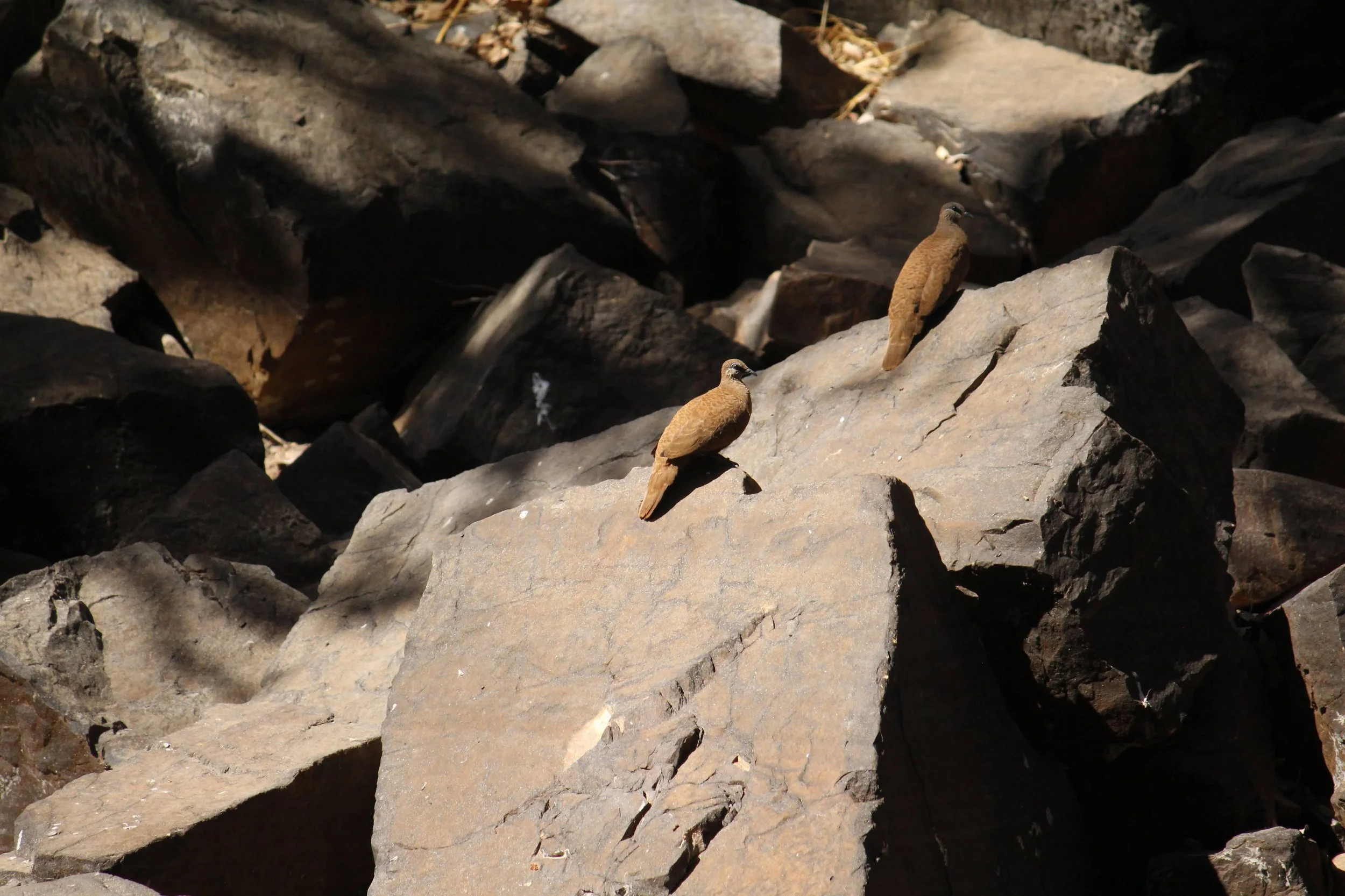
White-quilled Rock-Pigeon
Chestnut-backed Buttonquail
Black Bittern
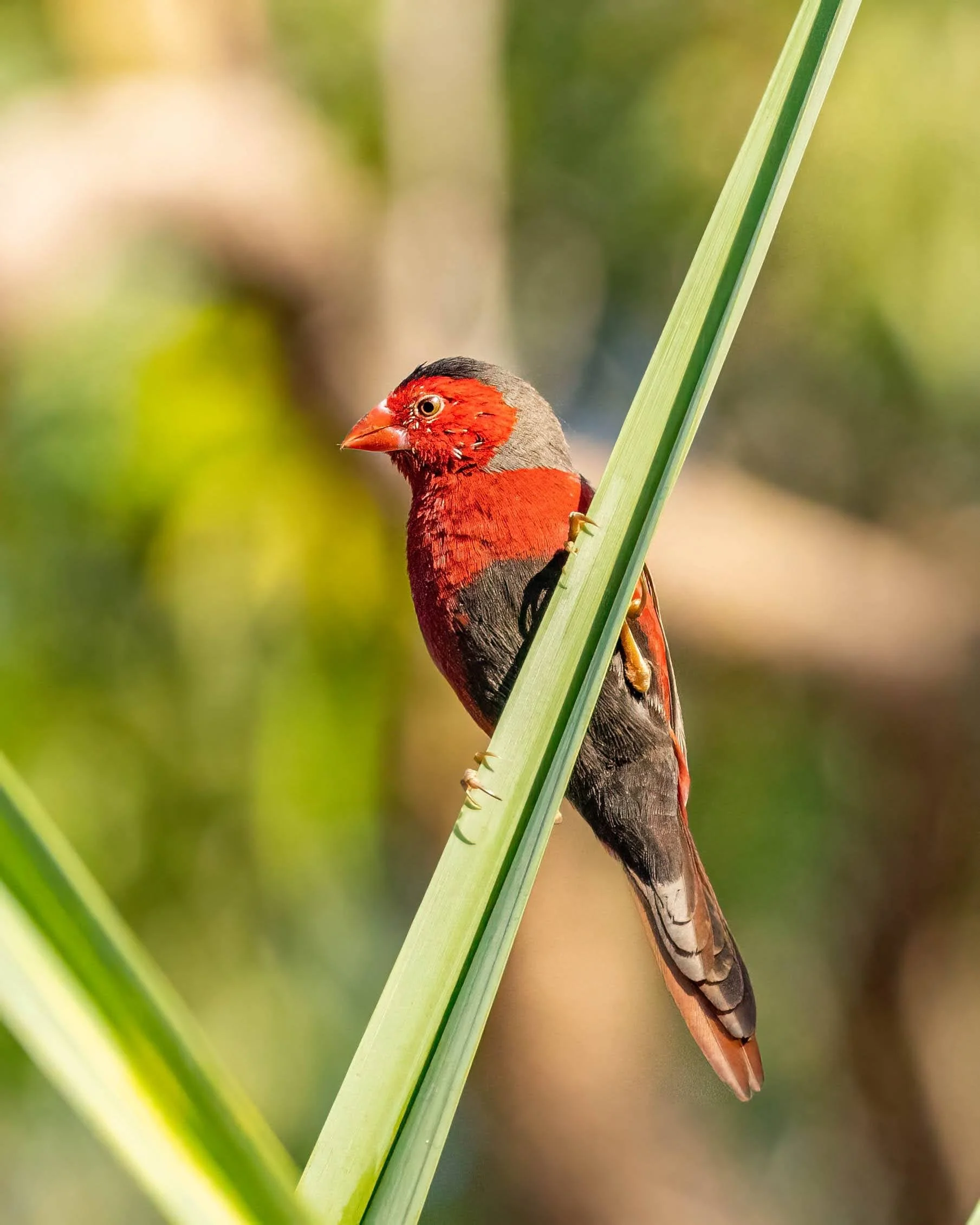
Crimson Finch -
![Buff-sided Robin]()
Day 6: Drysdale - Mitchell Plateau
Partridge Pigeon
Common Cicacadabird
Silver-backed Butcherbird
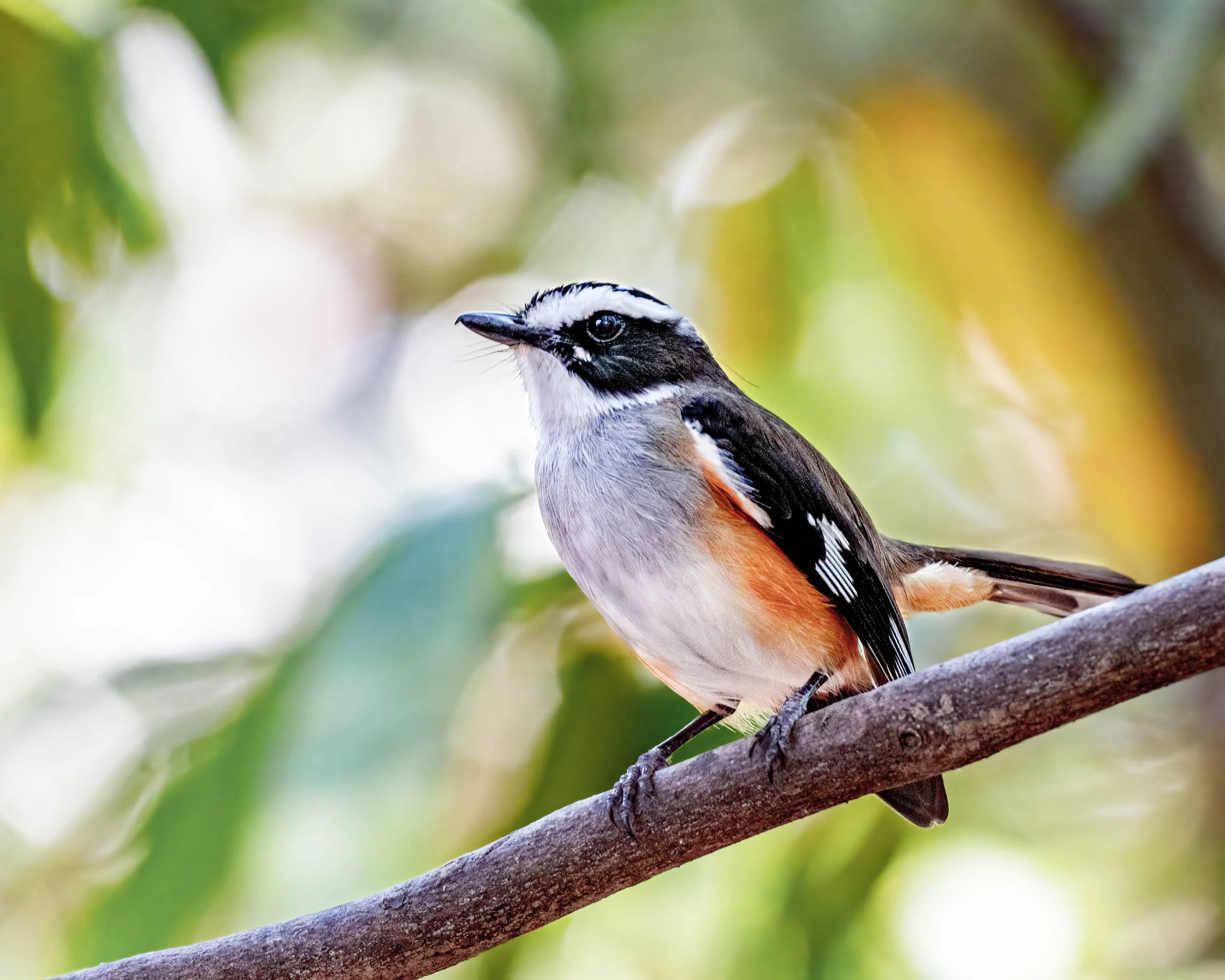
Buff-sided Robin -
![Black Grasswren]()
Day 7: Mitchell Plateau
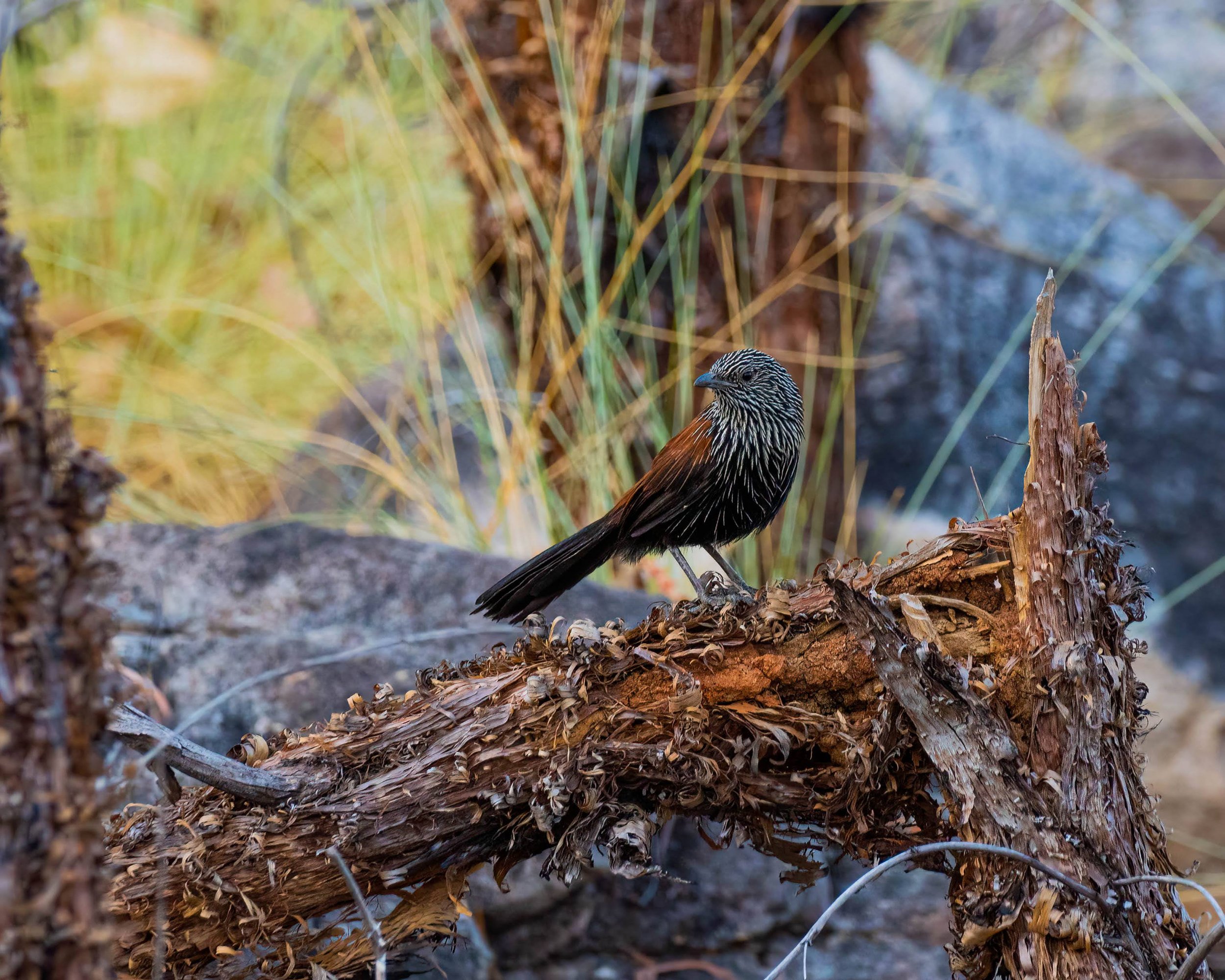
Black Grasswren
Arafura Shrikethrush
Large-billed Gerygone
Chestnut Rail -
![Purple-crowned Fairywren]()
Day 8: Mitchell Plateau - Drysdale
Kimberley Honeyeater
Northern Rosella
Chestnut-backed Buttonquail
Purple-crowned Fairywren -
![Noisy Scrub-bird]()
Day 9: Drysdale - Kununurra
Northern Shrike-tit
Banded Honeyeater
Pictorella Mannikin
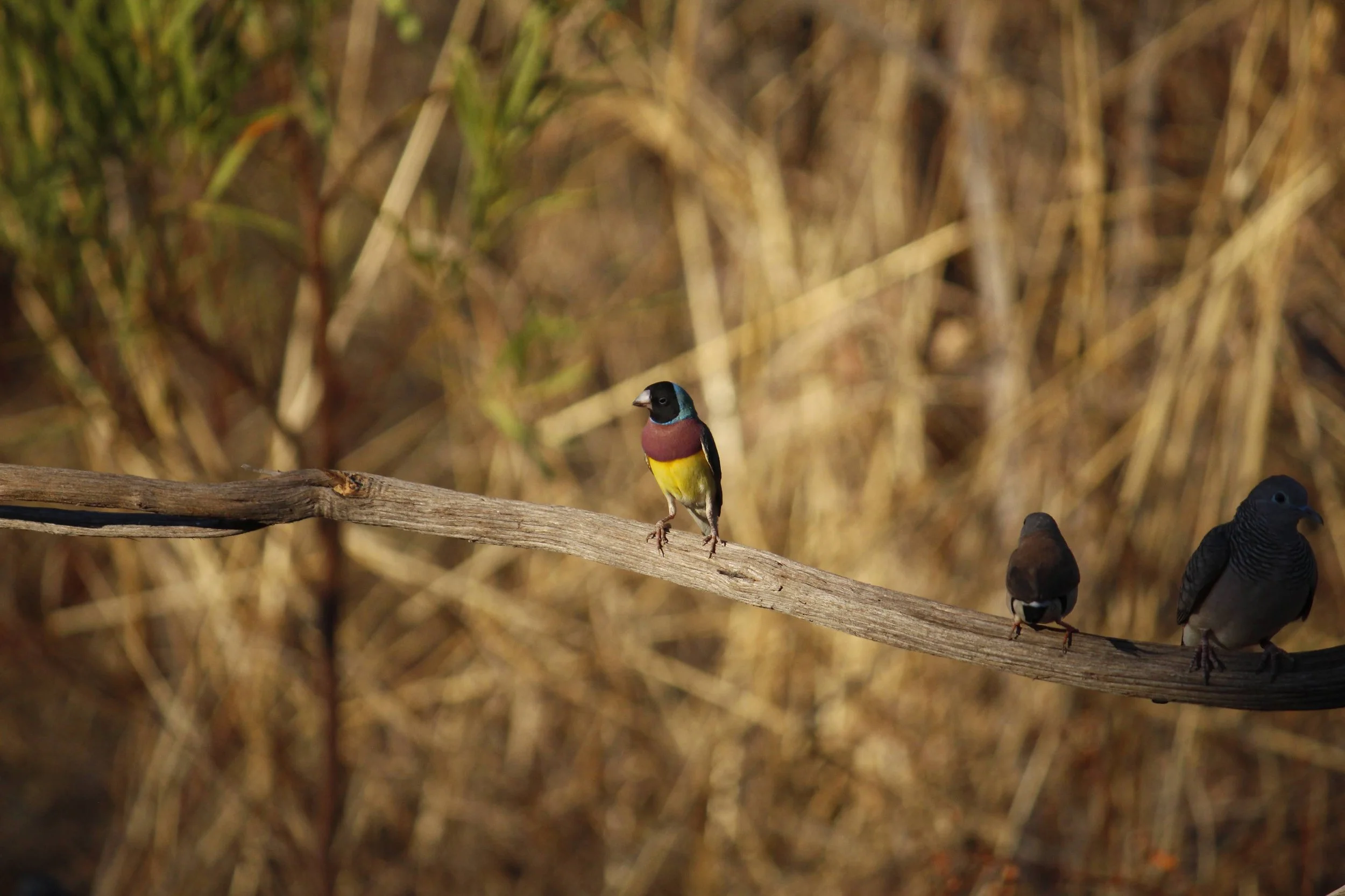
Gouldian Finch -
![Western Whipbird]()
Day 10: Kununurra
Sandstone Shrike-thrush
White-quilled Rock-Pigeon
Purple-crowned Fairywren
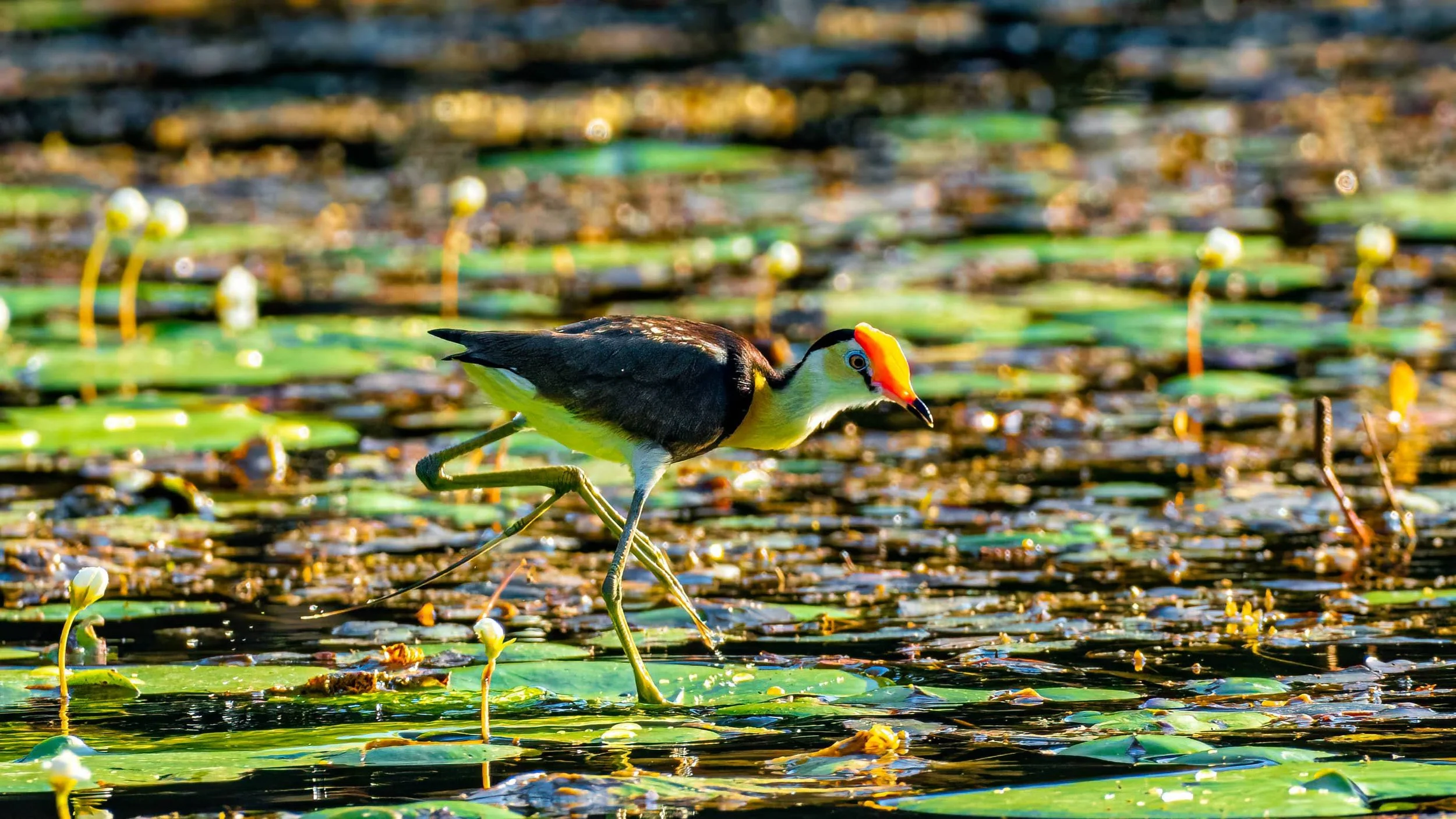
Comb-crested Jacana -
![Western Fieldwren]()
Day 11: Kununurra
Yellow-rumped Mannikin
Little Bittern
Bar-breasted Honeyeater
White-quilled Rock Pigeon
The Kimberley
Kimberley Endemics, Splits & Specialties
Leader: Louis Masarei
Group size limit: 6
Upcoming Departures:
Price: $ TBA AUD
Single Supplement: $ TBA AUD
May 2027 (TBA)
August 2027 (TBA)
Also available as a private customisable itinerary.
-
We’ll start our Kimberley trip at the gateway to this wonderful region, Broome. This town is a mecca for Australian and international birdwatchers and offers so much diversity and excitement for the birding world. Our timeline for our stint in Broome will vary depending on tides. Roebuck Bay, on the edge of Broome is an area of international significance for migratory shorebirds and is dominated by some of the largest tides in the world. These tides provide huge expanses of mud for birds to forage on at their lowest. We’ll visit the bay and the increasing number of migrants when the tides are right. We will look for Common Redshank, Asian Dowitcher, Broad-billed Sandpiper, Tibetan Sand-Plover and many many more at hight tide roosts. When the tide is appropriate for a visit to the mangroves, we’ll venture onto the mud to search out the Western Australian endemic Dusky Gerygone as well as White-breasted Whistler, Red-headed Myzomela and Broad-billed Flycatcher. Depending on our schedule we may take some opportunities to head out onto the plains for Yellow Chat and possibly even Flock Bronzewing. These same plains hold Australian Grass-owls which we may be able to track down before retiring to our comortable accommodation in town for the evening.
Accom: Broome Hotel (BLD) -
There is still an enormous amount to see and do in Broome and depending on what we managed to achieve the day before on the tides schedule, we’ll endeavour to clean up anything we missed and visit some brand new sites. There are sites close to town for the Kimberley race of Lemon-bellied Flyrobin and Mangrove Whistler. Smaller local parklands and bush reserves offer opportunites to see Northern Australian specialties like Double-barred Finch, Red-collared Lorikeet & Red-winged Parrot. If we clean up everything early in Broome, we have the chance to head up the Dampier Peninsula where Rose-crowned Fruit-Doves and Mangrove Robins are specialties. There is also an opportunity for Chestnut-breasted Buttonquail and various finch species including Gouldian Finch in this area.
Accom: Broome Hotel (BLD) -
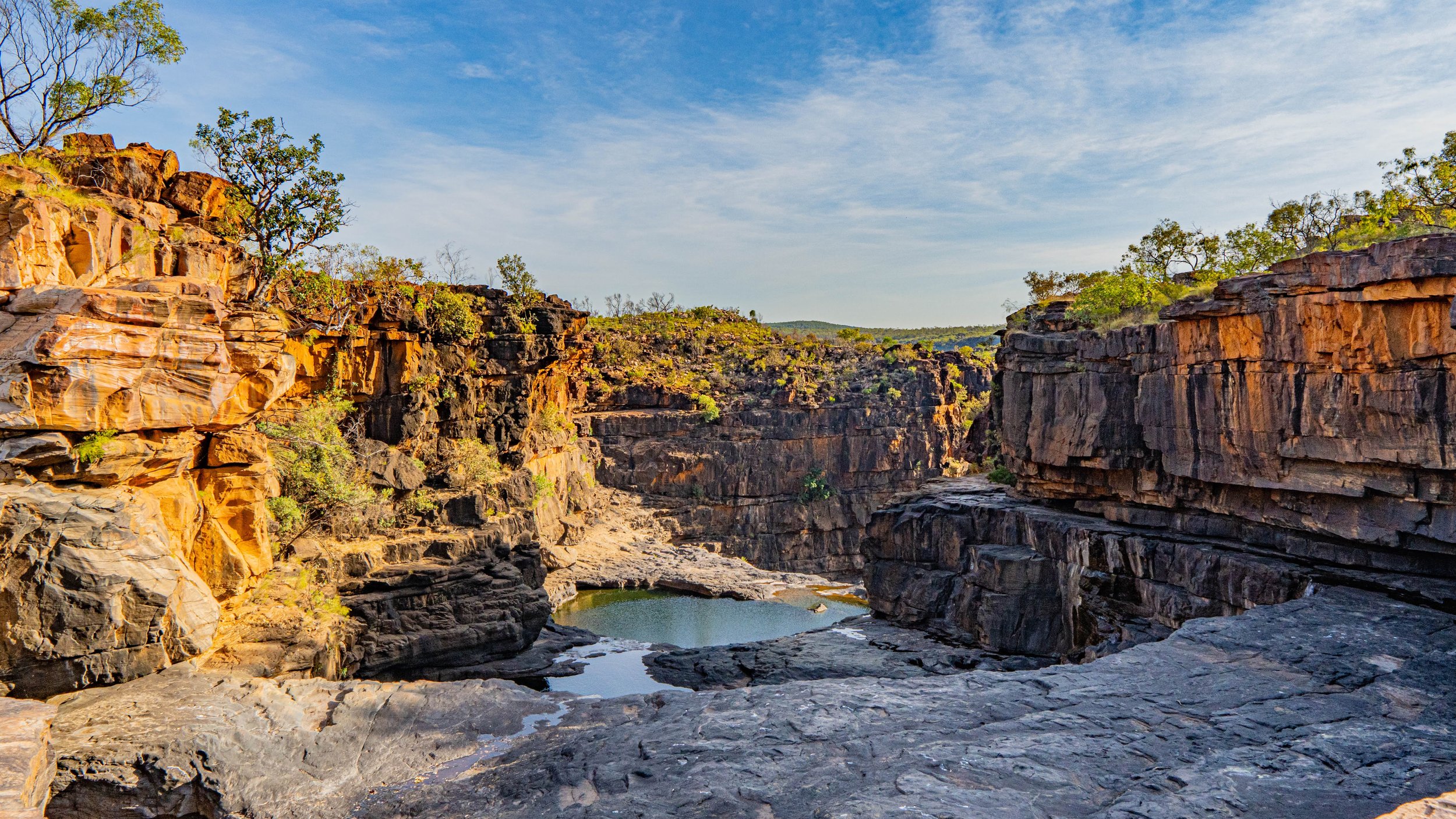
After a fun-packed time in the Broome area, it will be time to move into the Kimberley proper, up to Mount Hart. We’ll move up towards the town of Derby, along the way checking small wetlands for Black-necked Stork, Plumed Whistling Duck and who knows what else we may find! From the Derby Jetty we will attempt to find Great-billed Herons while we hang out with the Yellow White-eyes and Mangrove Grey Fantails. Mangrove Gerygone and Striated Heron should also keep us entertained. After lunch and our last fuel stop before we head onto the famous Gibb River Road, we’ll venture on towards the Wunaamin Conservation Park and the beginning of what many consider to be the true Kimberley. Black-tailed Treecreeper can be seen as we drive through the more open wooded plains while the densely vegetated creeklines will give us opportunites to see Masked, Long-tailed and Crimson Finches. We’ll stop intermittently at a few locations before reaching our final destination at the beautiful and well appointed Mount Hart Station.
Accom: Mt Hart (BLD) -
Today we will be exploring Mount Hart Station. Our big targets will be the local race of Purple-backed Fairywren and Green-backed Gerygone. Australian Bustard are sometimes found prowling the tall grasslands inbetween the gorges and waterholes and Yellow-tinted Honeyeaters and White-throated Honeyeaters fill those trees that are flowering. The waterholes and creeks provide us with fantastic opportunities for close encounters with Azure Kingfishers as well as Northern Rosellas. Barking Owl can be seen arond the area our accommodation is situated before we retire for another fantastic meal and a well earned rest.
Accom: Mt Hart (BLD) -
With our bird lists filling up rapidly, we’ll be making our way north along the Gibb River Road towards Drysdale River Station. We have a fair amount of ground to cover today but still opportunities for important birds along the way. Northern Shrike-tit are a chance at some locations along the way as are Chestnut-backed Buttonquail. Black Bittern inhabit many of the creeks we will cross and of course many many finch species do too. The walls of the gorges holding those creeks and waterholes often have White-quilled Rock-Pigeons loafing on their namesakes habitat too. We’ll roll into Drysdale Station after a bumpy drive, greeted by Red-winged Parrots and Mistletoebirds to rest for the evening before an early start the next day.
Accom: Drysdale Station (BLD) -
This morning is our first opportunity to see Purple-crowned Fairywrens. These are a huge target for the trip. We’ll make our way towards their habitat via a large sandy riverbed. This riverbed and its huge paperbarks are home to a fantastic variety of birdlife. We will focus on Black-chinned Honeyeaters, Bar-breasted Honeyeaters, Rufous-throated Honeyeaters, White-throated honeyeaters and Silver-crowned Friarbirds. Black Bittern have also been seen here. We’ll then begin our trip north to one of the most remote and beautiful parts of Australia. Along the way we will cross creeklines which will provide us with more opportunities for a diversity of Honeyeaters and Finches as well as Azure Kingfishers. We will also have more chances to find Northern Shrike-tit and Chestnut-backed Buttonquail. As we make our way up onto the plateau itself, we will see a beautiful tranisition in habitats before checking into our luxurious accommodation. This evening will give us our first chance to look for Kimberley Honeyeater and Black Grasswren before settling in for the night.
Accom: ATP Mitchell Plateau (BLD) -
Today is dedicated to finding and getting the best possible looks at the two Kimberley endemics - Black Grasswren and Kimberley Honeyeater. This is a very productive part of the world in terms of birdlife so we will spend the majority of the morning here. Black Grasswrens can be elusive and they may take some time before we turn our focus to other species. The other species we will focus on after the endemics are the Kimberley subspecies of Partridge Pigeon and Purple-backed Fairywren, White-quilled Rock Pigeon, Silver-backed Butcherbird and Green-backed Gerygone. The falls we will visit are of course absolutely spectacular as well! After a well earned lunch, we will visit some of the vine thickets and mangroves a bit further afield. Along the way we will look for Northern Rosella and Blue-winged Kookaburra. In the vine thickets we will target Rainbow Pitta, Orange-footed Megapode, Little Shrikethrush and Pacific Emerald Dove. In the mangroves, Large-billed Gerygone and Chestnut Rail are some of the birds we will search for. This evening we will enjoy another delicious dinner before resetting for the following days travel.
Accom: ATP Mitchell Plateau (BLD) -
With another morning in hand, we will have an opportunity to find some of those species we may have missed or want to upgrade on from yesterday. Black Grasswren and Kimberley Honeyeater being the obvious priorities. We may also enjoy more of the scenery and swimming holes! Along the return trip to Drysdale Station, we can once again target Northern Shrike-tit and Chestnut-backed Buttonquail as well as Purple-crowned Fairywrens. Gouldian Finch may also be present along the drive back. It will also be worth looking for Frilled-neck Lizards! An evening of recovering and exploring Drysdale station will have us set up for the last stretch of our journey. Who knows, a Red Goshawk may even appear above us!
Accom: Drysdale Station (BLD) -
Today we will finish our trip along the Gibb River Road. It will be a relief for us to eventually get off of the corrugated roads! This length of the trip we might get a chance to find some Black-tailed Treecreepers, Australian Bustards and our first look at the white bellied subspecies of Spinifex Pigeon. We may even stop for a scone along the way! As we cross the famous Pentecost River, we will move into some different habitats. Black soil plains and billabongs as a break from the sandstone ranges. Our effort will focus on finches. Finding small pools of water around Wyndham is one of the best ways to find Goudlian Finches playing amongst the Long-tailed, Masked, Crimson, Double-barred, Zebra and Painted Finches! The mangroves at Wyndham are also worth a stop for Torresian Kingfisher and Chestnut Rails but be careful of the enormous Saltwater Crocodiles found at this location! We will also visit some of the black soil plains for a chance at Black Falcons as we try to flush Zitting Cisticolas and Red-backed Buttonquails. Marlgu Billabong is a true highlight of this trip. The abundance of birds found in this tiny billabong is exceptional and makes for a true highlight of Australian birding. Pied Herons, Brolga, Wandering and Plumed Whistling Ducks, Comb-crested Jacana, Magpie Geese, Radjah Shelduck and the list goes on and on. Along the edges we will likely see Chestnut-breasted Mannikins too. We still have a bit of a drive to Kununurra so eventually we will make our move further east to the dam walls of a very unique town and our accommodation for the evening.
Accom: Kununurra Lakeside Caravan Park (BLD) -
The focus of today will be our at Lake Argyle and Yellow Chats. This is a unique system where black soil plains have been turned into small islands by the damming of the river. An enormous number of shorebirds use these islands at the right time of year, another sight to behold! Australian Pratincole and sometimes Oriental Pratincole are standouts alongside Oriental Plover and Long-toed Stint. On the way in and out from these Yellow Chat infested islands, we will look for Sandstone Shrikethrush, White-browed Crake and Gouldian Finches. Our return drive from Lake Argyle may have us bumping into some Pictorella Mannikins before we go looking for Yellow-rumped Mannikins in the long grasses by the irrigation channels that criss cross Kununurra. Back at our accommodation, the friendly Buff-sided Robins will be a welcome gift after a hard day of birding.
Accom: Kununurra Lakeside Caravan Park (BLD) -
Our final day. Kununurra provides us with an excellent opportunity to clean up any species we haven’t yet seen or would like better looks at. This may include any of the finch species or waterfowl as well as some birds of prey. A bird we may focus on is Australian Little Bittern as they are seen relatively readily around Celebrity Tree Park and Lilly Creek Lagoon. Other than this, we can use our time to look for something far more rare such as an Australian Painted Snipe or spend time around the many Great Bowerbird bowers that can be found around town. After lunch we will conclude our Kimberley tour.
Accom: Own accommodation or flight (BL)
