

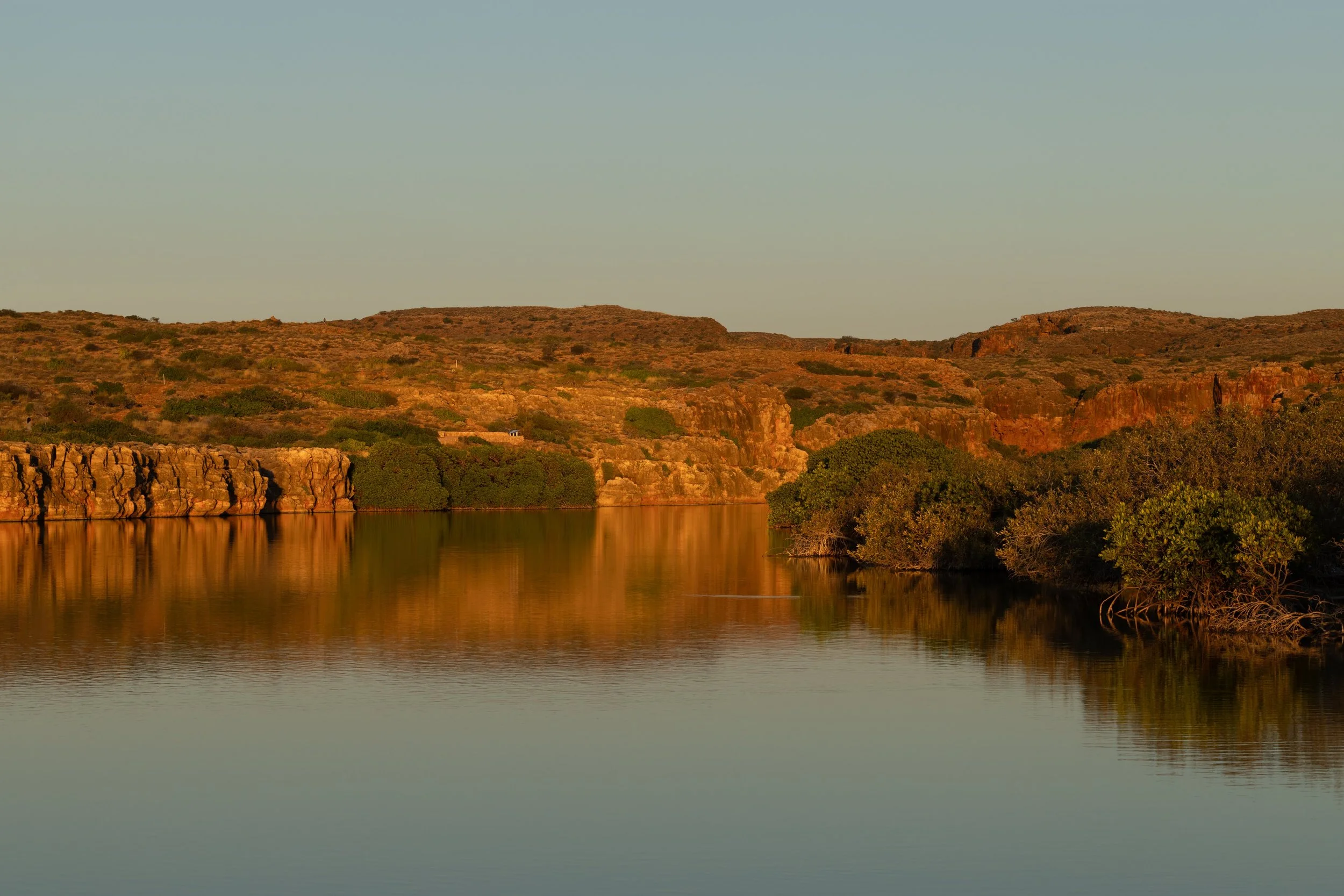
Pilbara & Mid-West
(Sandhill Grasswren, Pilbara Grasswren & Grey Honeyeater)
-
![Pink Cockatoo]()
Day 1: Depart Perth
Freckled Duck
Little Grassbird
Red-necked Avocet
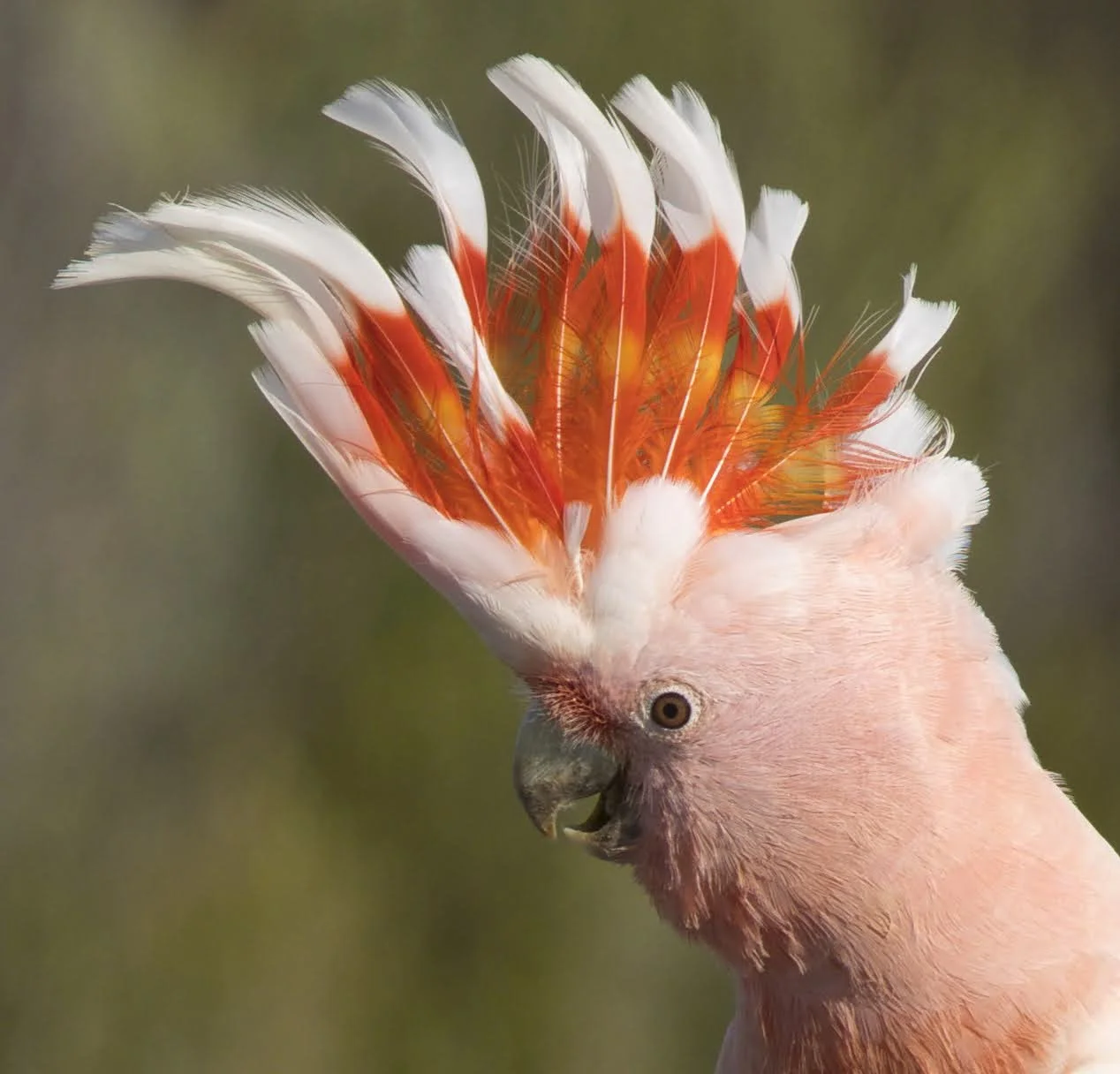
Pink Cockatoo -
![Copperback Quail-thrush]()
Day 2: Paynes Find
Southern Whiteface
Gilbert’s Whistler
Slaty-backed Thornbill
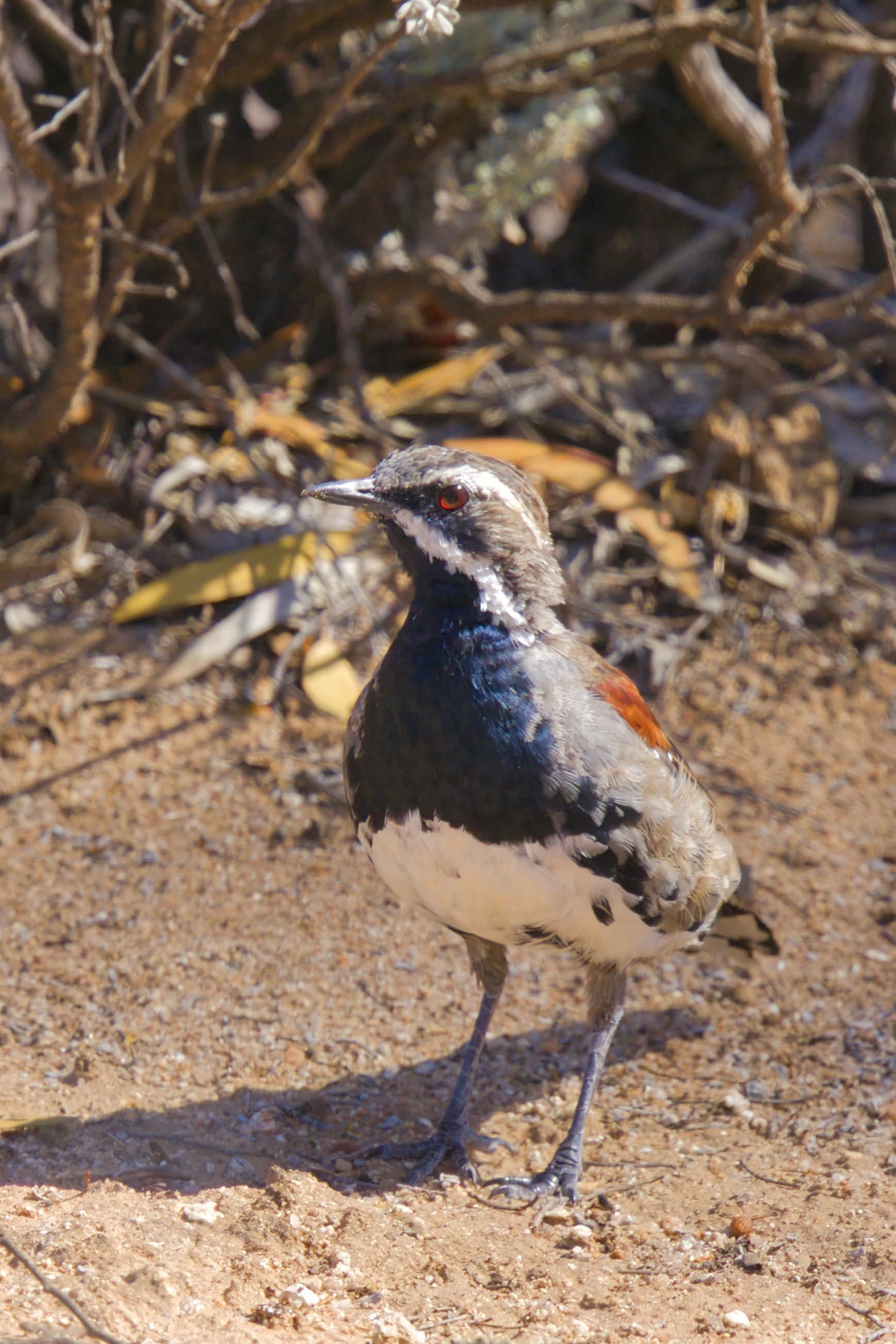
Copperback Quail-thrush -
![White-browed Treecreeper]()
Day 3: Sandstone
Sandhill Grasswren
Crested Bellbird
Black-eared Cuckoo
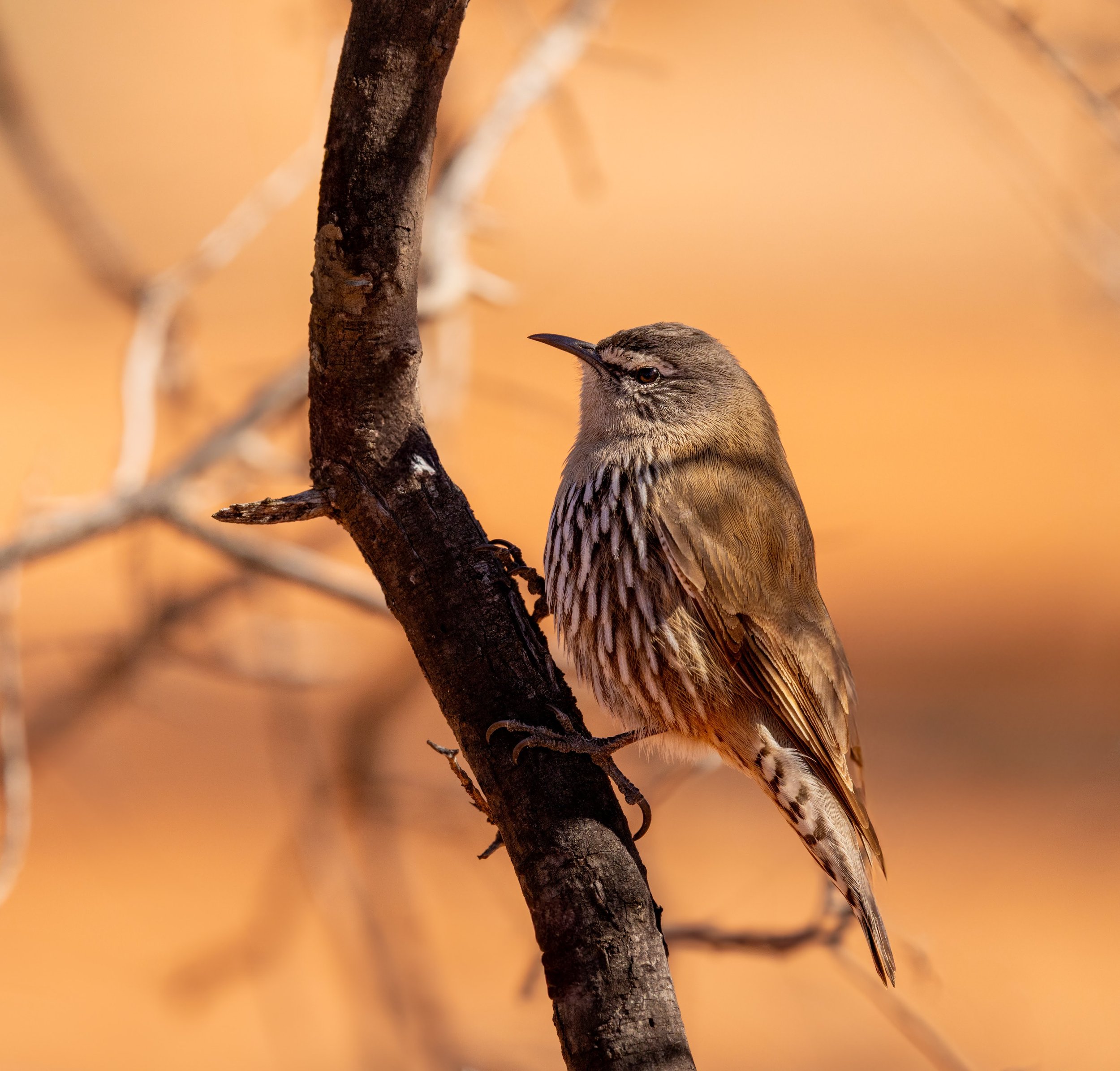
White-browed Treecreeper -
![Red-backed Kingfisher]()
Day 4: Cue
Banded Whiteface
Western Bowerbird
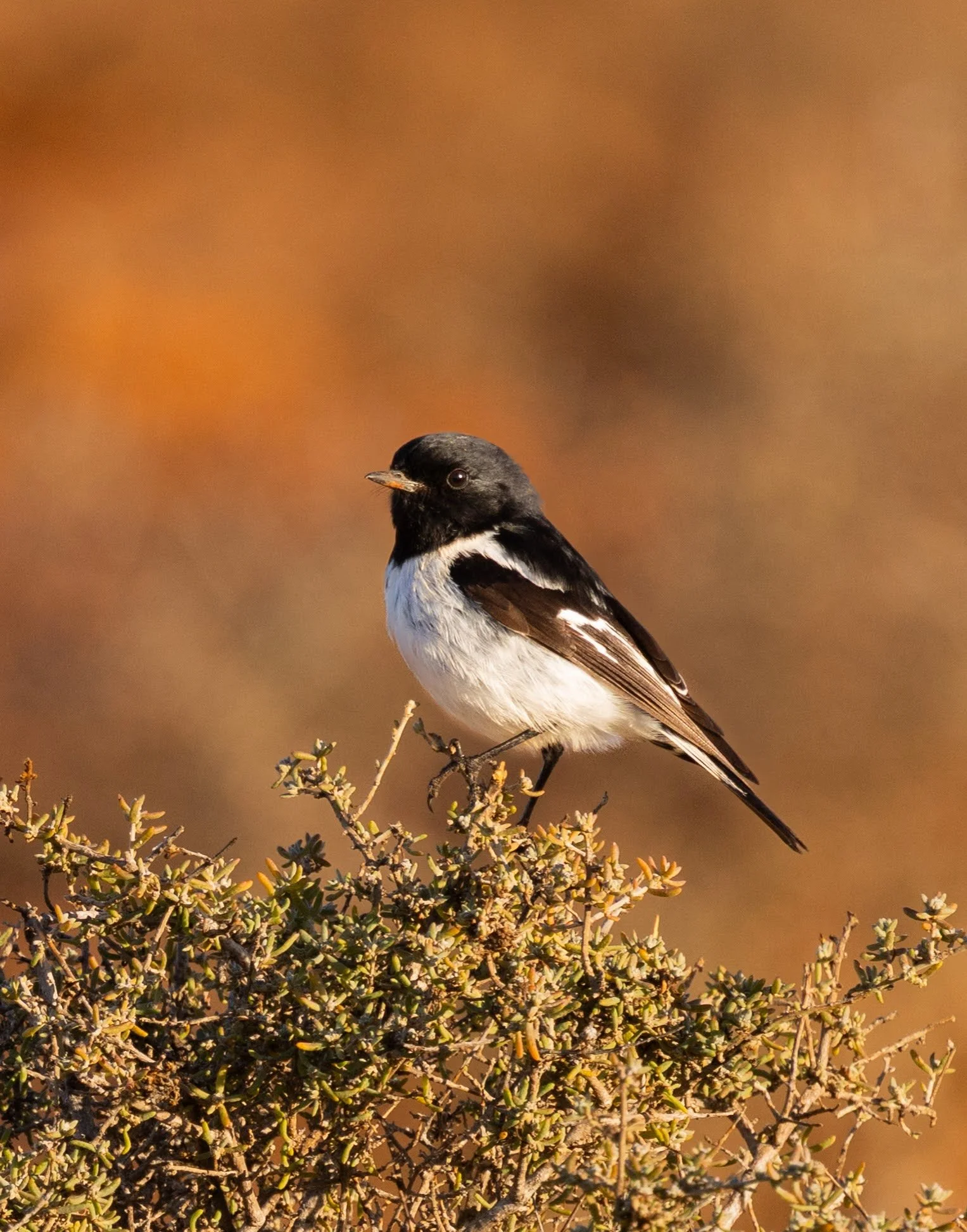
Hooded Robin
Red-backed Kingfisher -
![Hooded Robin]()
Day 5: Murchison
Western Quail-thrush
Bourke’s Parrot
Black Honeyeater
Hooded Robin -
![Western Grasswren]()
Day 6: Shark Bay
Southern Scrub-Robin
Chiming Wedgebill
Copperback Quail-thrush
Western Grasswren -
![Painted Finch]()
Day 7: Carnarvon
Dusky Gerygone
Black-tailed Treecreeper
Budgerigar
Painted Finch -
![White-breasted Whistler]()
Day 8: Exmouth
Rufous-crowned Emuwren
Spinifexbird
Shorebirds
White-breasted Whistler -
![White-winged Fairywren]()
Day 9: Nanutarra
Zebra Finch
Crimson Chat
Orange Chat
White-winged Fairywren -
![Star Finch]()
Day 10: Karijini
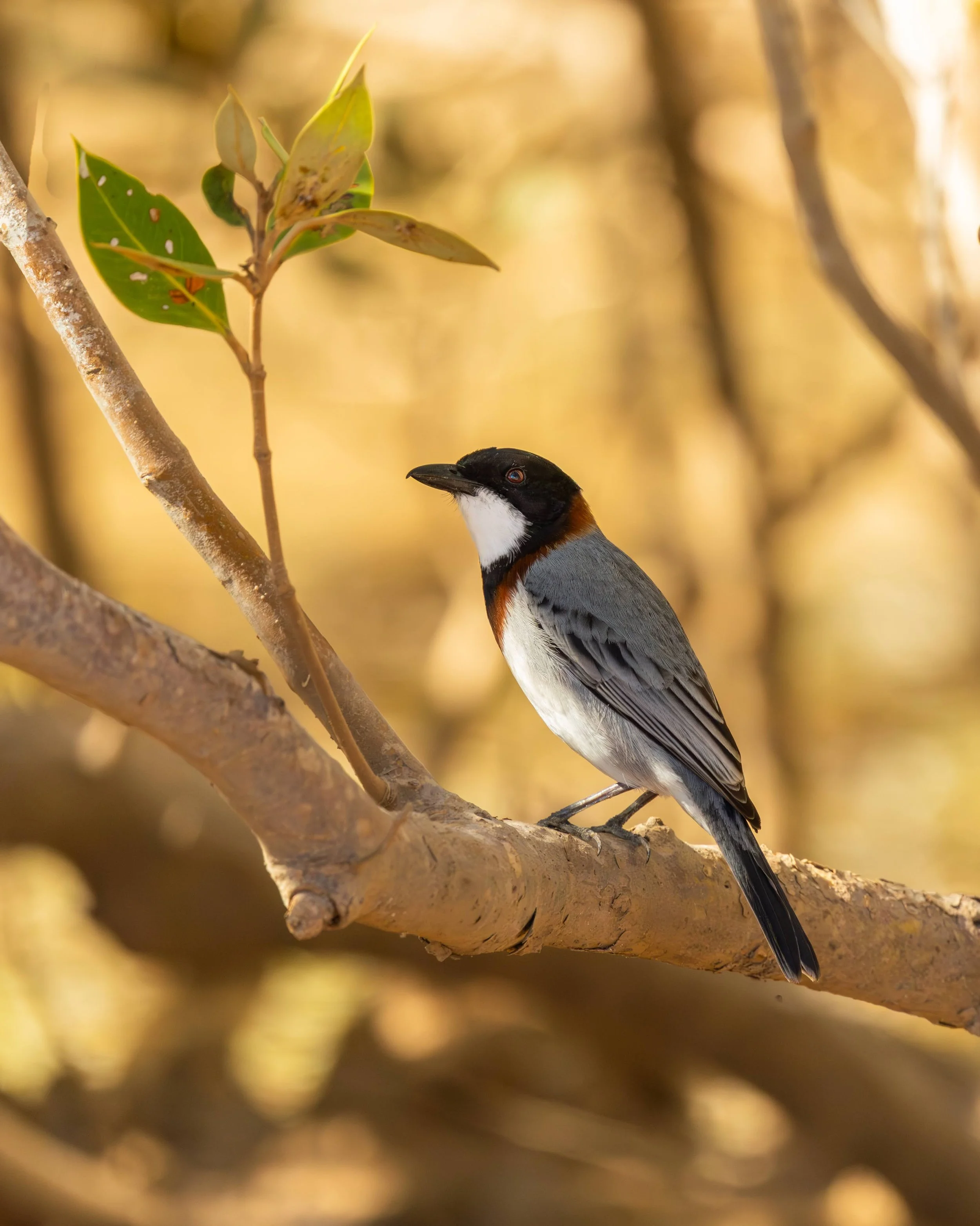
Grey Honeyeater
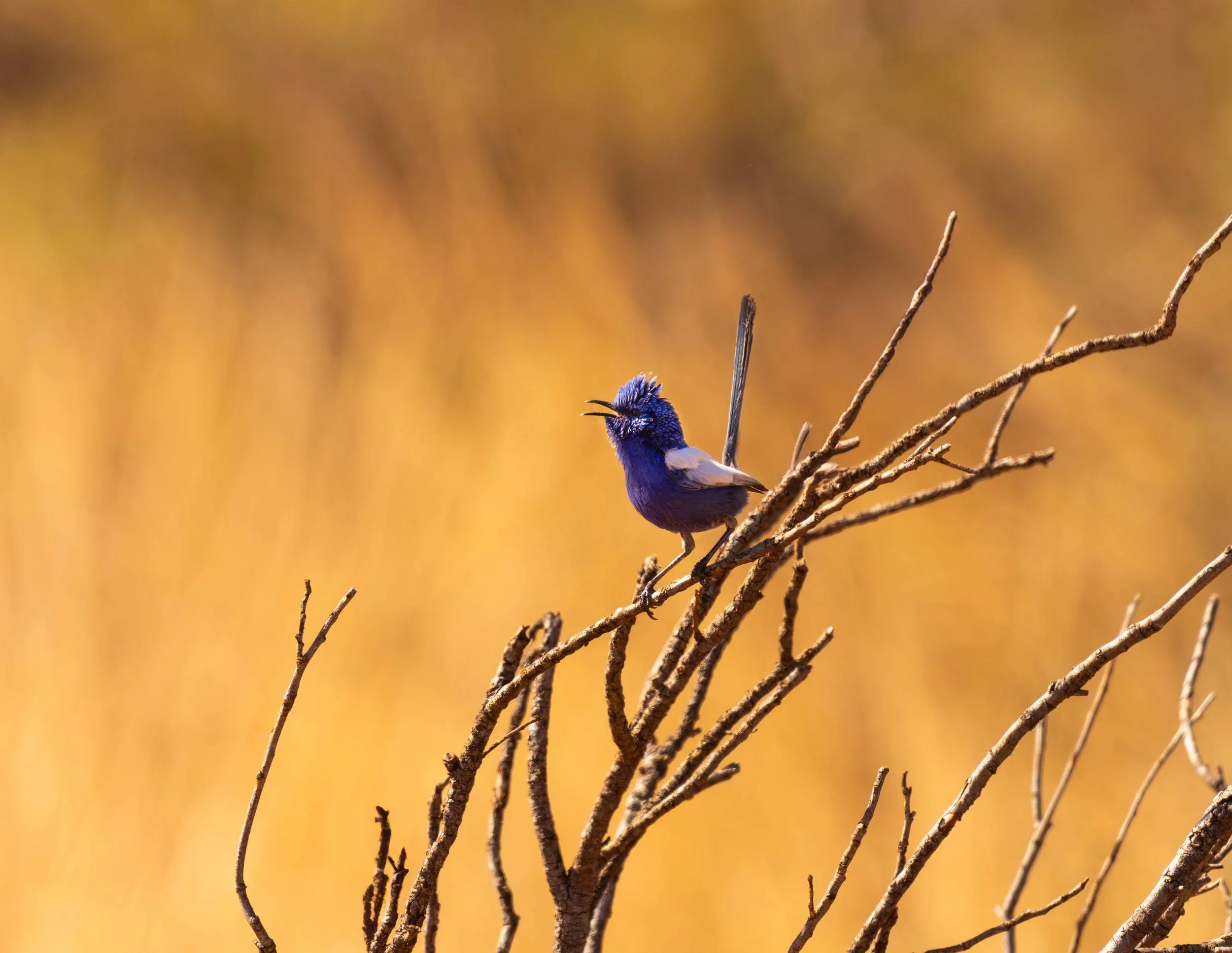
Purple-backed Fairywren
White-winged Fairywren
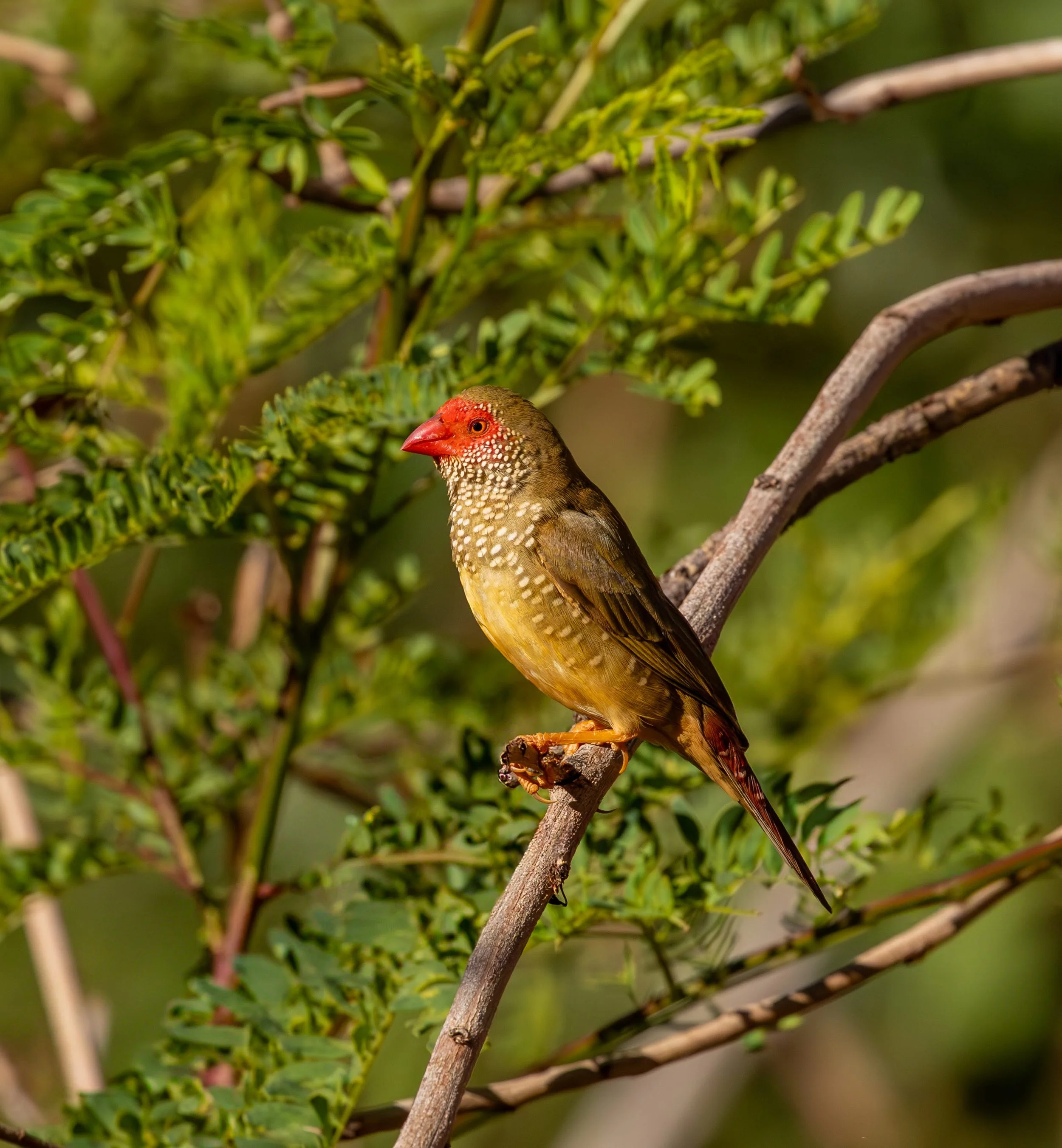
Star Finch -
![Spinifex Pigeon]()
Day 11: Newman
Pilbara Grasswren
Painted Finch
Spinifexbird
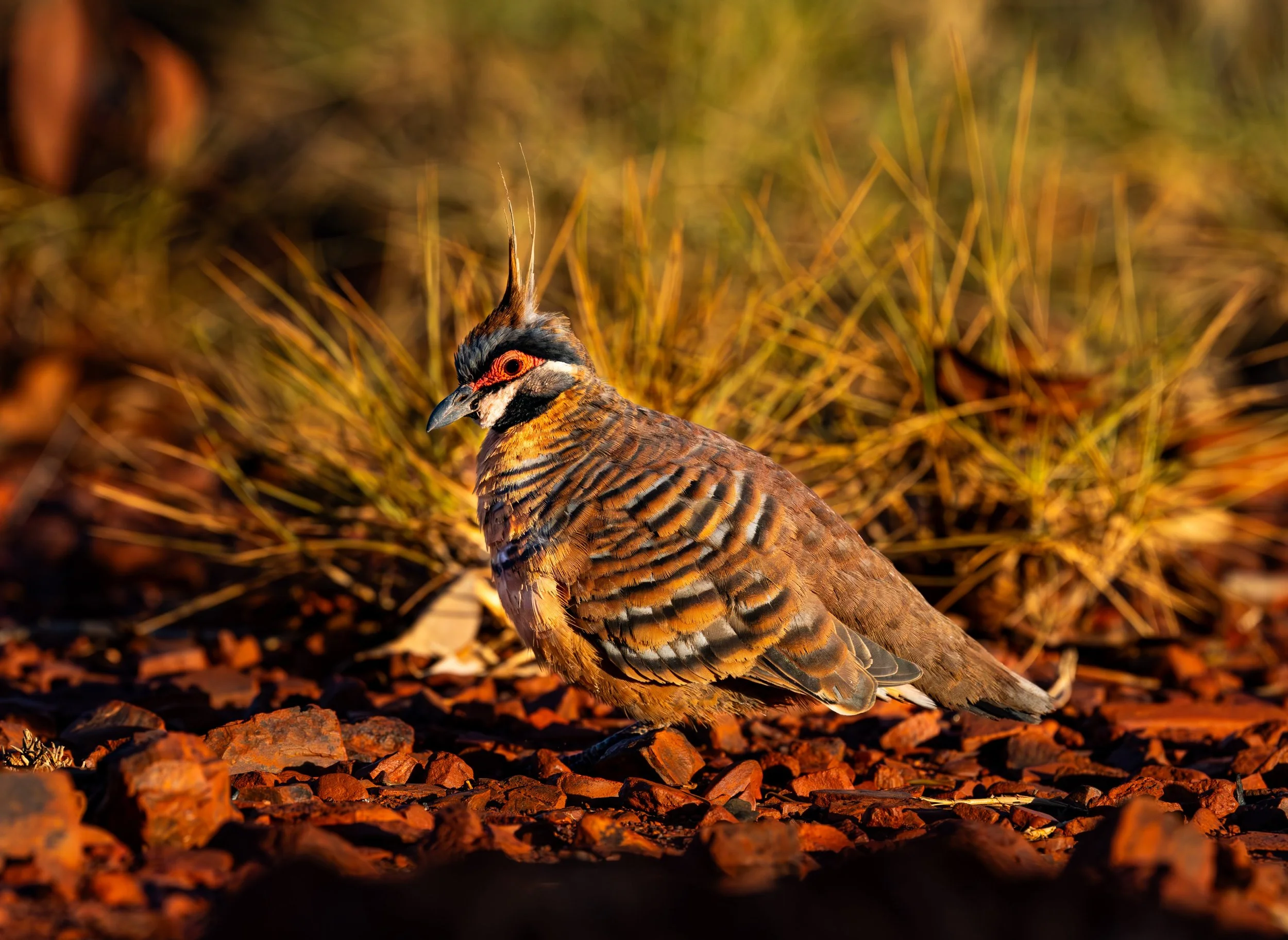
Spinifex Pigeon
Pilbara & Mid-West
WA Endemics, Pilbara Splits & Specialties
Leader: Louis Masarei
Group size limit: 6
Upcoming Departures:
Price: $ TBA AUD
Single Supplement: $ TBA AUD
March 2027 (TBA)
July 26th - August 6th 2027
Also available as a private, customisable itinerary.
-
We’ll start things off after breakfast with a few target waterbirds at Herdsman Lake before heading north through the wheatbelt. Herdsman lake has always provided the goods - Freckled Ducks, Hardheads and Pink-eared Ducks chasing each other around in a frenzy. Glossy Ibis completing the Australian Ibis trio, Australasian and Hoary-headed Grebes. Western Gerygones in the paperbarks and Little Grassbirds singing from the reeds. It’s always a beautiful and productive place to start a trip and get the species count rolling. We will then pop into a few other local wetlands, perhaps for Oriental Honey-Buzzard before hitting the freeway north. Hopefully, piles of Emu and a few Spotted Harrier willline the paddocks on the side of the road and a quick stop on some drenched salt lakes will have us chancing on Australian Shelducks and a feeding flock of Red-necked Avocet.
Eventually we’ll reach the edge of the Great Western Woodlands in the Mount Gibson area where we will find White-fronted Honeyeaters, Spiny-cheeked Honeyeaters and Pink Cockatoos moving through the open canopy in the afternoon. On the ground, Southern Whiteface and Red-capped Robins are a welcome addition to the dull colour palette. Up the road in the Mulga we’ll look for Slaty-backed Thornbills to cap off our first day. We’ll settle into a pub meal at the Paynes Find roadhouse with a list full of birds on our first day.
Overnight: Paynes Find (LD) -
Returning to the Mount Gibson area we’ll search for some targets we couldn’t nail on the first day and are easier to find in the morning. White-backed Swallows, Southern Scrub-Robins and Brown-headed Honeyeaters in the Mallee areas and in a more open woodland habitat - Gilbert’s Whistler, Chestnut-rumped Thornbills, Inland Thornbills, Weebills and Redthroat. White-browed Babblers and a handful of beautiful Mulga Parrots might just cap things off. Another target for this morning, Copperback Quail-thrush can be found well in this area and will take some time before we continue north and set ourselves up for our first Grasswren the following day. Little Crows and Whistling Kites will provide some extra padding for the day list out of the car window as we move through open country.
Overnight: Sandstone (BLD) -
A day that starts with what we think can be one of the more difficult Grasswrens to see well. It may take some time to get onto Sandhill Grasswrens depending on conditions but they often show quite well at these locations. We’ll go looking for bits and pieces on the road back to our accommodation. White-browed Treecreeper, Crested Bellbirds and Black-eared Cuckoo. Grey-crowned Babblers bouncing Mulga to Mulga in front of us and usually a massive Wedge-tailed Eagle sat stoically in a big old dead tree. Slaty-backed Thornbills are another important target for this area along with Little Crows, Western Bowerbird and Mulga Parrots. Hopefully having seen this list of semi-arid specialists, we’ll head north and settle in around Cue.
Overnight: Cue (BLD) -
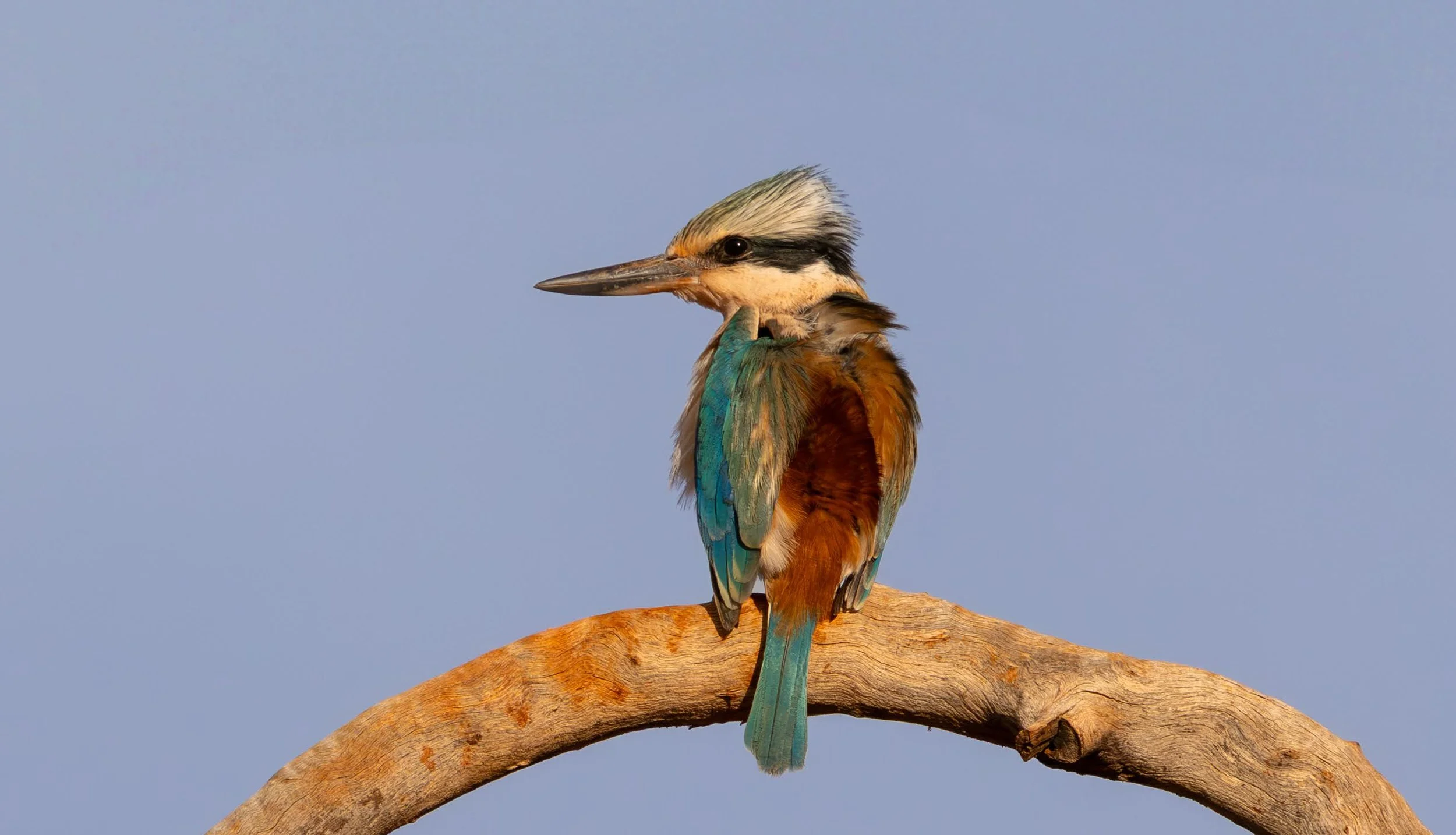
Cue is an interesting birding locale. The salt lakes butting up against bare stoney plains are perfect spots for Banded Whiteface. They are what we will target first. While looking for these we will be in the correct habitat for Bourke’s Parrot, Masked Lapwing, Hooded Robin and Masked Woodswallow. We will spend the majority of the morning in this habitat. As we move west, we will keep our eyes peeled for Black-breasted Buzzards soaring above us. Depending on the time of year, we’ll look for flowering Eremophila and hope that joining the Pied and White-fronted Honeyeaters are some Black Honeyeaters. Towards the Murchison area, we’ll also keep our eyes out for Crimson Chats and Red-backed Kingfishers. Australian Bustards can be seen as we move further along the plains and as we get towards the evening, we should hear Pallid and Horsfield’s Bronze-Cuckoo and there is always a chance Black-eared Cuckoos are around too.
Overnight: Wooleen Station (BLD) -
Waking up in station country is a bit different in this part of the world. It is still vibrant and busy with native wildlife across the board. We’ll target Western Quail-thrush for the majority of the morning while Chiming Wedgebills will become a welome addition to the soundscape and our lists. We will have more opportunites for Bourke’s Parrot, Redthroat, Crimson and Orange Chat. More birdlife will come to us in the form of a further abundance of Honeyeaters. White-plumed, Singing and Spiny-cheeked Honeyeaters will provide the baseline of this group at this location while we can hope for Pied and Black Honeyeaters and as well as the elusive Grey Honeyeater. Depending on rains in the region, this area can be abundant with waterbirds. Red-kneed Dotterel and Black-tailed Nativehens may be highlights.
Tearing ourselves away from this beautiful region, we’ll head towards Sharky Bay. A World Heritage area. On our way into this area we’ll look for Rufous Fieldwren in the samphire fields and potentially bump into a Maleefowl.
Overnight: Monkey Mia (BLD) -
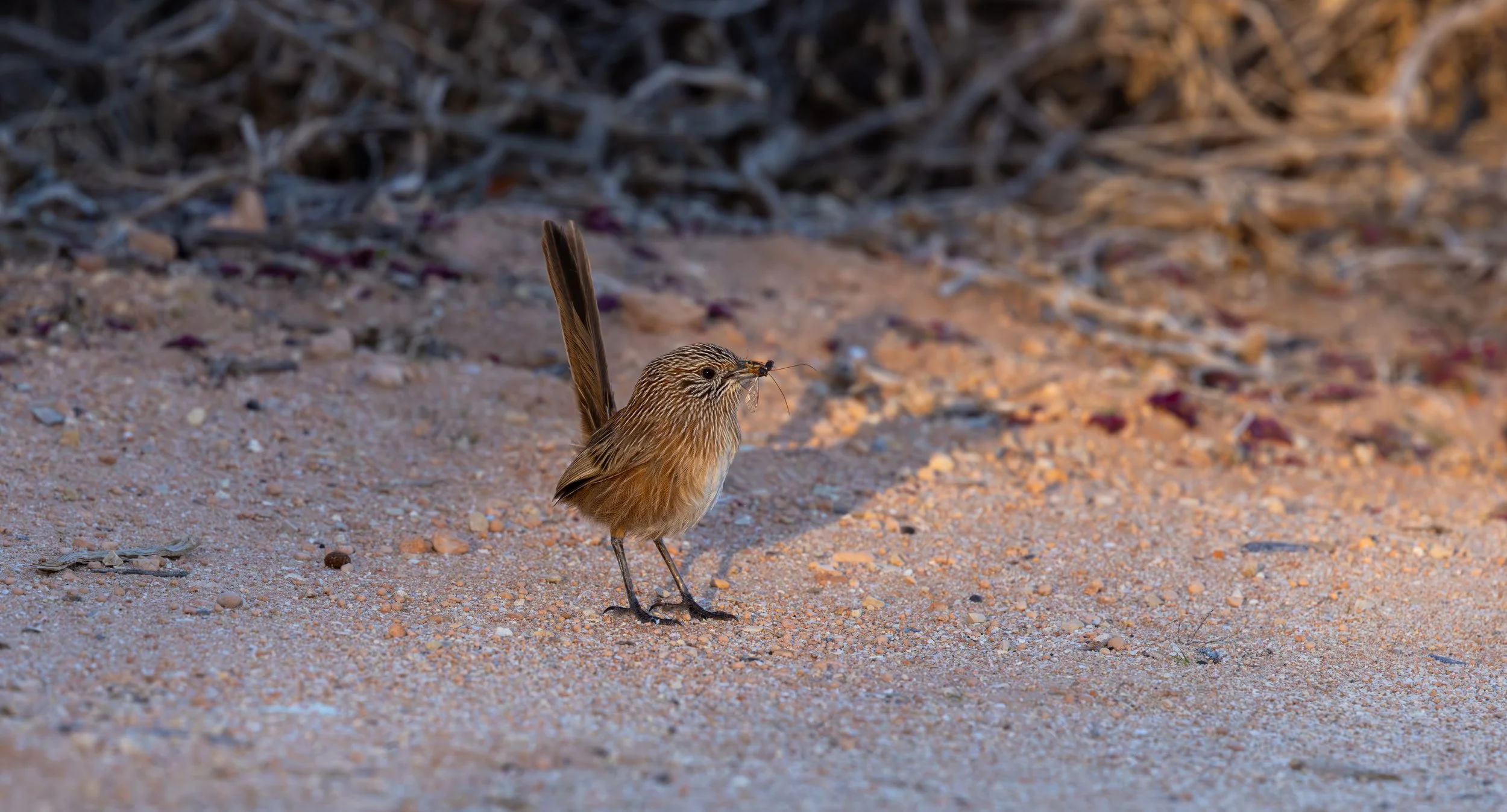
This morning we will walk the dunes (and carparks) of Monkey Mia to look for Western Grasswren. These are one of the easier to find of this group. In this area they are in significant abundance and quite confiding. Amongst them are Southern Scrub-Robin and Chiming Wedgebill. These two are both species that are seen readily in this area despite being considered quite skulky elsewhere. In the summer months, Shorebirds are readily seen along the beaches and flats of this area. Some overwinter as well. The mangrove systems here are beautiful and well worth a visit. Despite being common, the abundance of Little, Great and Eastern Reef-Egret is something well worth seeing. The birds of particular interest here are Mangrove Grey Fantail and Yellow White-eye.
Indo-pacific Bottlenose Dolphins are what this area is famed for and we may take the opportunity to see these and a lot of other marine life while in the area.
This day and overnighting location gives us a chance to add onto this tour and visit Dirk Hartog Island, particularly if booked privately. Here the black subspecies of White-winged Fairywren can be seen on either a day trip or overnighter. Enquire below for more information. An example trip report is here.
After we have made the most of the Shark Bay area, we will continue north towards Carnarvon where the landscape starts to change dramatically. We may stop for Splendid Fairywrens and Red-capped Robins along the way if we haven’t seen them well already but we will certainly stop for Slender-billed Thornbills as we approach the floodplains. A quick check for some more mangrove species and Shorebirds before we turn in for the evening.
Overnight: Carnarvon (BLD) -
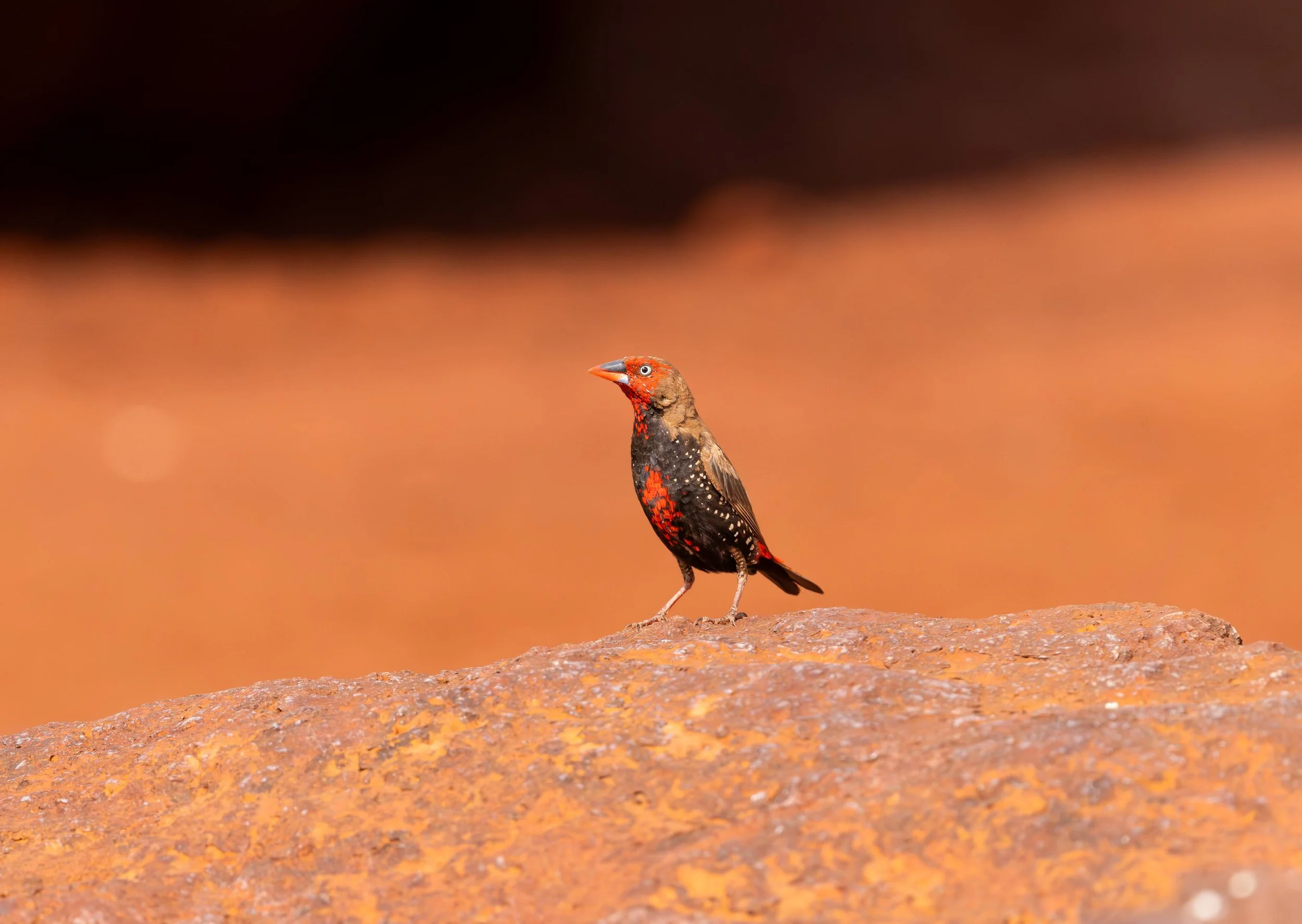
The targets for today are Black-tailed Treecreeper, wellsi subspecies. They can be found even on a dry Gascoyne River. This is a busy area where you can see piles of Budgerigars, Cockatiels, and White-plumed Honeyeaters filling the sky and trees. There are usually a good number of Common Wallaroo or Euro on the banks of the riverbed too. The beautiful Painted Finch can also be seen in this area. A return to the mangroves will have us looking for Dusky Gerygone amongst other mangrove species. As we drive north, we’ll keep our eyes peeled for Black Falcons as there are consistent yet sparse records from the area. As we get up towards the Exmouth area, we will drive around to Cape Range and the edge of the Ningaloo Reef. There is a local subspecies of Western Bowerbird here many birds of prey and the gorges are riddled with Black-flanked Rock Wallabies that will come out right on sunset.
Overnight: Exmouth (BLD) -
While the highlights of this area are no doubt the marine environment, there are certainly still birds to see. Some of them are at sea as well. Noting this, today is an opportunity to join a Whale Shark tour. On these trips, there are many seabird species that can be seen. Please enquire below if you would like to add this to your tour.
The mangroves and mudflats are abundant and one of the highlights are the White-breasted Whistlers. Back on dry land, Rufous-crowned Emuwren are the highlight. We will search the spinifex plains and gullies for these while hoping to bump into Spinifexbird, White-winged Triller, Crimson Chat, Zebra Finch, Star Finch and Red-browed Pardalote. This is the edge of the Pilbara and the birdlife here reflects this. Spinifex Pigeon represent this well and may be another bird we will chase up before heading further into the Pilbara proper. As we go west we will stop off in some areas known well for Orange Chat as well as Grey-crowned Babbler. We will stay by a large old riverbed for the evening and may find Star Finch if the water levels are good.
Overnight: Nanutarra (BLD) -
Our first day travelling through the Pilbara proper. Things will be notably more dry and red. While the birding will slow somewhat, it is quality rather than quality as we move further inland. Starting the morning inundanted with Pilbara classics such as White-plumed Honeyeater and Zebra Finch, we will also hope for Grey-headed Honeyeater, Star Finch and Painted Finch. In the sky’s we will look out for Black-breasted Buzzard soaring amongst the Whistling Kites and Black Kites. While Brown Falcon should be plentiful along our drive, we may encounter a Grey Falcon too! We will stop intermittently in creek beds for breaks. We might bump into Diamond and Peaceful Dove here as well as flocks of Budgerigar and Cockatiel. This is also our first chance to bump into Blue-winged Kookaburra and there is always the slim chance we see some Ground Cuckoo-Shrike too! We will eventually reach Tom Price and re-supply before our adventure continues into Karijini National Park for the evening.
Overnight: Karijini National Park (BLD) -
This is the crown of the Pilbara and includes. The scenery is breathtaking and the area is filled to the brim with waterholes and gorges setting the scene for some spectacular birding. We will target special areas for Grey Honeyeater and along the way see Purple-backed Fairywrens, Spinifexbird, Slaty-backed, Inland and Chestnut-rumped Thornbill, Mistletoebirds and much more in the beautiful diversity of Karijini. We will also venture up some of the slopes in search for Pilbara Grasswren as we try not to get distracted by Spinifex Pigeon, Little Woodswallow and Painted Finch. Before we know it we will be moving further east. Along this drive we will try to focus on any species we haven’t seen yet or want to upgrade our views of photos on as tomorrow is our last day. Perhaps Crested Bellbird or Red-browed Pardalote. As we reach Newman, we may pop out for some night birding where we will look for Spotted Nightjar and Barking Owl.
Overnight: Newman (BLD) -
Our last day waking up with the Pied Butcherbirds across Western Australia’s wonderful Midwest and Pilbara. Our main target for today is the Pilbara Grasswren. We will spend as much time as we need searching for this species and make sure we get great looks and great photographs. Once we have had our fill, we’ll make the most of other specialties of the region and explore some of the expansive artificial inland wetlands picking through swathes of waterbirds. We may even pick up some Wandering Whistling Ducks! The tour ends this afternoon after lunch. Flights are plentiful from Newman to Perth and we recommend picking one up that afternoon or evening.
Overnight: Own accommodation (BL)
